

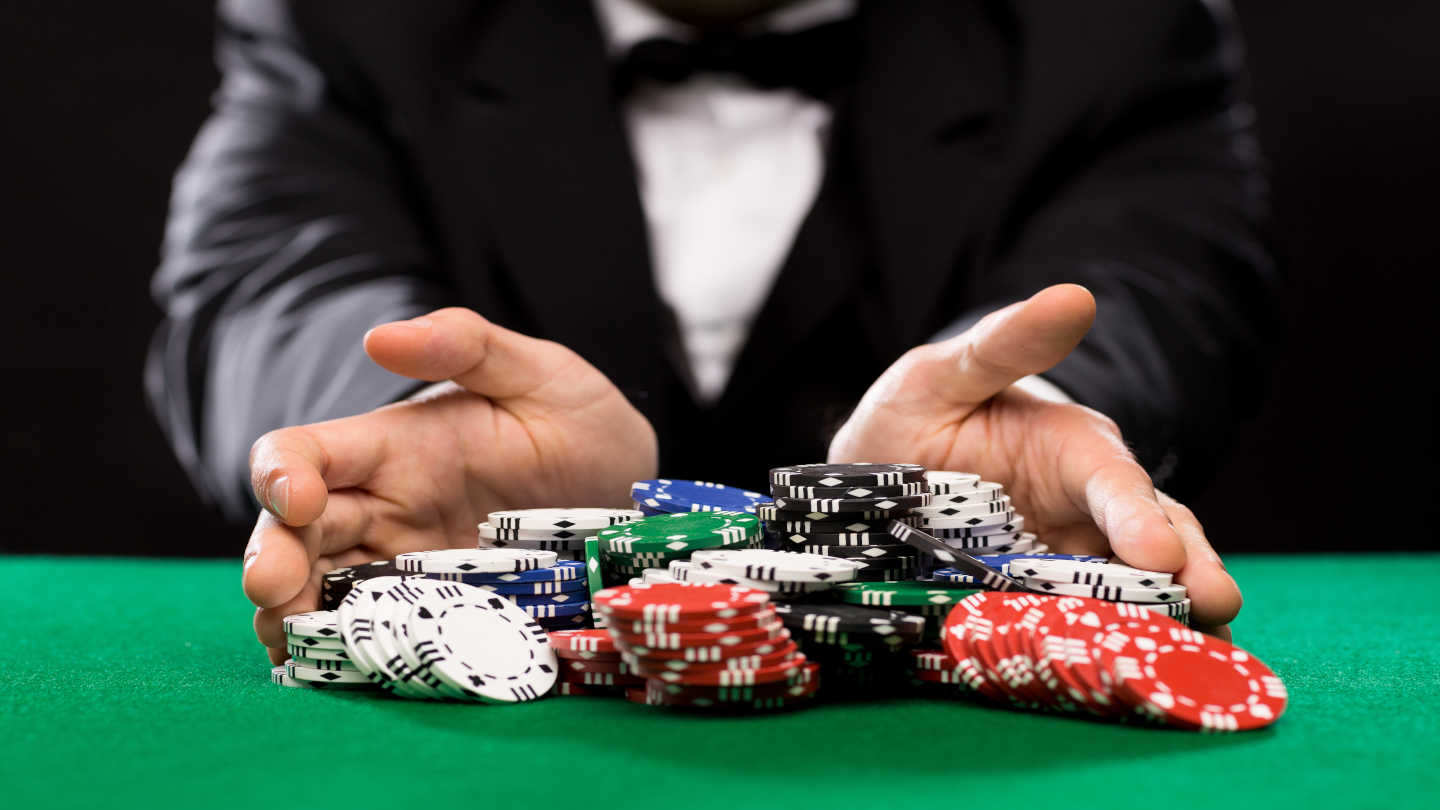
Poker is often seen as a game of patience, but sitting back and waiting is rarely enough. Aggressive players bet and raise often, keeping the action moving instead of folding or checking. This does not mean being careless. It means taking control of the table by putting others on the spot.
Passive players wait for strong cards, but they give up control and let others steer the game. Fans interested in trying out different styles of play can access sweepstake gambling site for a chance to show off their skills.
-
1
 Bonus £40 Freeor £600 bonus
 - Trigger the bonus: You need to deposit at least £10 and generate £10 in rake to trigger the FREE training bonus. | 18+ | BeGambleAware T&Cs Apply
-
2
Bonus $600or $100 tickets
-
18+ | BeGambleAware T&Cs Apply | Read full T&Cs
-
3

Pressure That Feels Like a Media Blitz
Think about how nonstop headlines can shape how people feel about a story. Aggressive poker play works the same way. A steady stream of bets makes opponents second-guess themselves.
They fold hands they might have played, just to avoid the stress. In many cases, the pot goes to the aggressor without even needing to show the cards. That kind of pressure wears players down.
Controlling the Story at the Table
In sports or media, the side that sets the pace usually comes out ahead. Poker is no different. When one player is always raising, others are stuck reacting.
They lose the ability to decide the flow of the game. Aggressive players take that control. It is like a basketball team running fast breaks all night. The opponent might adjust, but the rhythm has already been set.
Risk and Reward, Sports Style
American sports culture values bold moves. Fans remember the quarterback who takes a deep shot downfield or the slugger who swings for the fences. Poker has the same rhythm.
Aggressive players win many small pots, and those add up. Sure, they lose some, but the steady flow of wins builds momentum. Playing safe may feel comfortable, but it rarely stacks chips the same way.
Why It Works Against Most Opponents
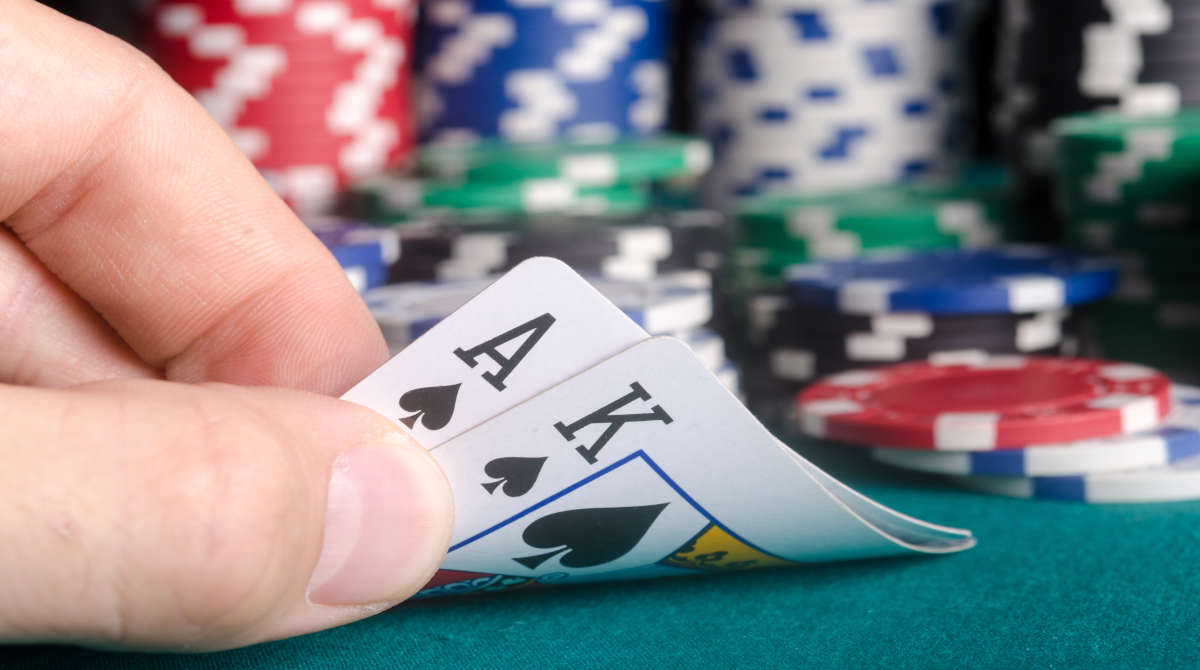
Many players do not know how to respond to aggression. Some fold too often, handing over chips without a fight. Others get frustrated and call with weak hands, which usually backfires.
Research on poker decision-making shows that steady pressure creates mistakes. While numbers vary by study, the pattern stays the same. The constant push forces players out of their comfort zones.
Where Aggression Fails
Of course, being aggressive does not always mean success. Wild betting without a plan often ends badly. The strongest players balance pressure with smart choices, knowing when to ease off. Skilled opponents can also fight back.
They set traps, waiting for the aggressor to overplay a hand. Like in sports, the bold strategy can backfire if the other side adjusts. Scholars studying game theory note that context matters. Who you play against can change the outcome.
The Main Point
Aggressive poker works because it shifts control and forces opponents into tough spots. The style fits with a wider sports mindset that rewards bold moves over waiting for perfect chances. Still, it only works well when paired with discipline and awareness.
Researchers continue to study how psychology, math, and decision-making shape poker. Their findings remind us that while patterns are clear, results always depend on the moment and the people at the table.