

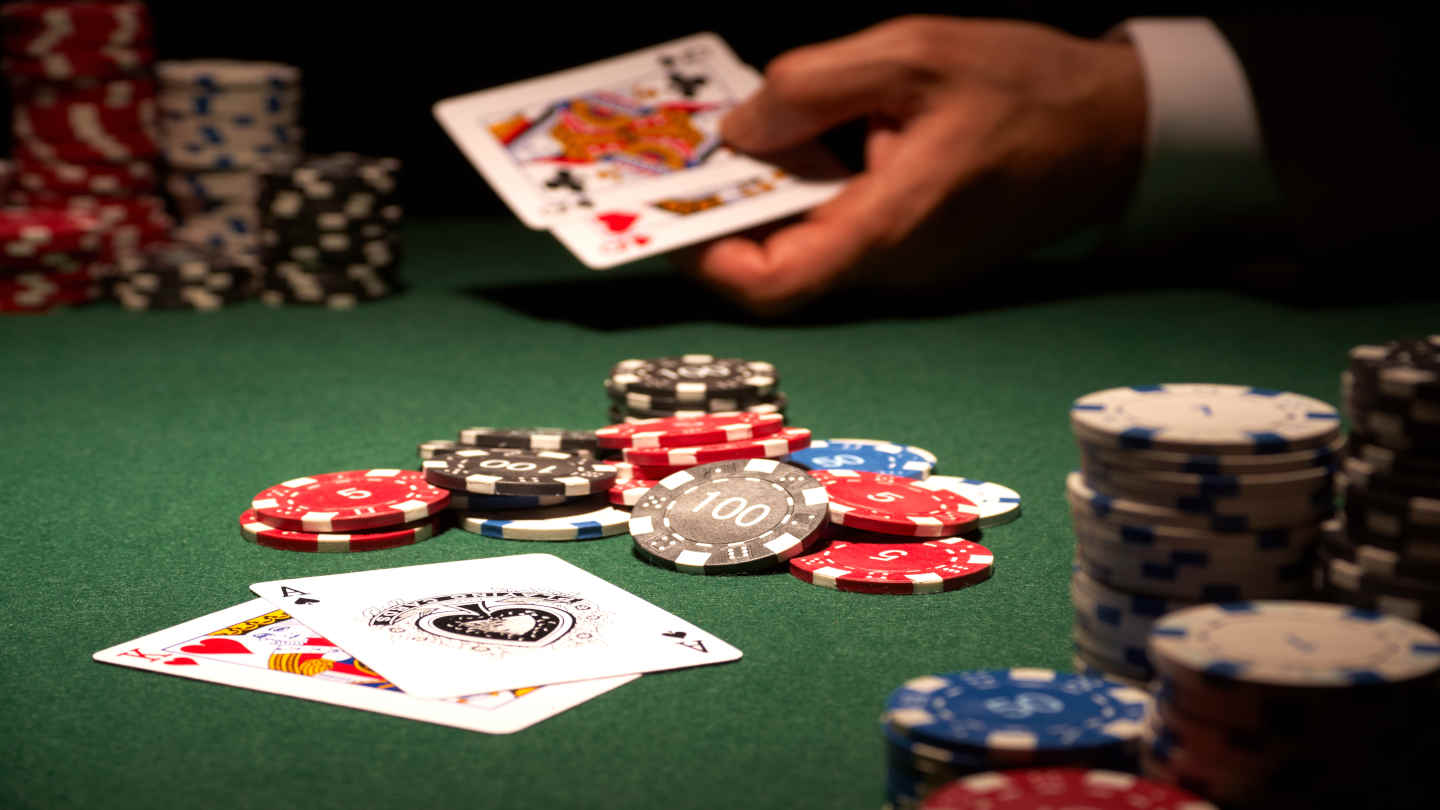
High-level poker is where decisions truly count. Luck plays a role, but the game is more about psychology, math, and reading the table. Tournament stats (like those tracked by The Hendon Mob) show top players rarely rely on chance—they blend technical precision with instinct.
The poker market grew about 8% in 2023, fueled by the game’s mix of unpredictability and strategy. Technology has deepened that edge, with hand review software and even “mental coaches” shaping preparation.
Unlike purely random games, poker rewards adaptability. In many ways, it now resembles Wall Street—decision frameworks from finance doubling as training tools for elite players.
-
1
 Bonus £40 Freeor £600 bonus
 - Trigger the bonus: You need to deposit at least £10 and generate £10 in rake to trigger the FREE training bonus. | 18+ | BeGambleAware T&Cs Apply
-
2
Bonus $600or $100 tickets
-
18+ | BeGambleAware T&Cs Apply | Read full T&Cs
-
3

Analytical Skills and Risk Management at the Poker Table
Poker stands apart because every decision happens without full information. Math might point one way while intuition pulls another. Among high rollers, about 65% reportedly spend ten-plus hours a week reviewing past hands, dissecting probabilities, and hunting for patterns.
For professionals, this constant study—adapting to shifting tables, spotting style changes, knowing when to strike or wait—is the work itself.
It’s never just numbers, though. Pot odds can guide a fold, but a sudden shift in an opponent’s behavior might tip the scale just as much.
What looks like weakness is often risk management. With tracking tools now common, players are reprogramming habits and refining decisions. Many in the industry see this analytical turn as the biggest factor pushing poker further into the realm of genuine skill.
Online Play and the Evolving Casino Landscape
Online and casino environments have changed how players retrain strategic decision making. Digital tables come with their own bag of tricks: instant stat breakdowns, fast feedback, and enough data to drown even the sharpest analyst.
Some industry figures (Informa Connect has poked at this) argue that, with comprehensive hand databases, new and seasoned players can sift through hundreds of thousands of hands almost overnight—kind of weird to think how “lab-like” online poker’s become.
If you haven’t paid attention, table dynamics have morphed; play is faster, opponents are a parade, and there’s barely a chance to exhale before the next hand lands. Reading patterns gets tough. Sharper eyes required.
Position suddenly feels more urgent. Profiling opponents? That’s not just a hobby now—it’s vital. Game theory tools (GTO, for those in the know) strip the math to the bone, and there’s software tracking your neighbors’ moves before you’ve even noticed a tell.
The pace demands near-constant course correction; you get players switching from passive to hyper-aggressive based mostly on a thumbprint of data they just gleaned. Alongside the tactics, that volatility calls for a surprising amount of grit.
And if you’ve spent years in a brick-and-mortar spot, adjusting isn’t just about new buttons—it’s about a mental reset, too.
Professional Coaching and Building Mental Agility
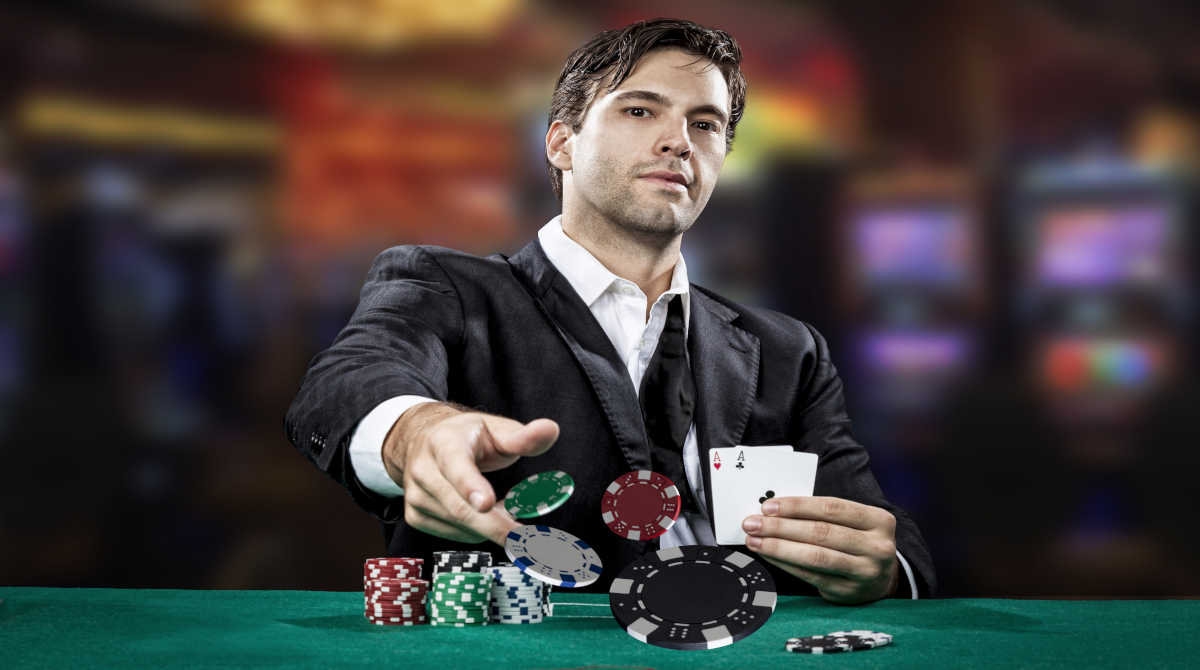
Coaching is having a bit of a boom in the poker world—not everyone loves the idea, but there’s no denying it’s catching on.
Something like 40% of regular tournament players in North America mention working with a coach or joining some kind of training circle, mostly because staying sharp isn’t a one-person job anymore.
Coaches shoot for that tricky space where technical chops overlap with sturdy nerves. They break down session recordings, dive into mental blocks, and try to patch leaks—sometimes in calculation, sometimes in attitude.
A big part of their work? Teaching players to see patterns and numbers before a mistake costs too much. Still, there’s just as much emphasis on staving off tilt and burnout—coaches often flag moments when pressure seems to smudge decision making.
Establishing rituals before play or between sessions gets a lot of airtime because, frankly, poker’s mental wear and tear sneaks up if you don’t keep it in check.
If there’s one thread running through modern coaching, it’s adaptability: not clinging to old mistakes, not spiraling after a tough hand, finding a way to stay tuned in.
Coaching, at its best, nudges pros to focus more on the big picture—profits over streaks. The Hendon Mob people suggest these habits, over time, are what let good players handle the game as it changes.
Advanced Strategies and Resource Allocation
If you look closely, high-level poker really isn’t so different from what’s happening in an investment firm or a startup boardroom. The way chips get managed? That’s just resource allocation in disguise—more method than madness, at least for those who last.
It’s not about grabbing every pot, it’s about holding back, waiting for the spots that actually matter. In a way, the best lessons from poker bleed into “real life”—calculated risks, knowing when to cut losses early, acting with purpose rather than out of habit or hope.
Mathematical tools now shape poker more than ever. Winning isn’t just about sensing the cards—it’s about precise betting, tracking table dynamics, and adjusting strategy in real time.
What was once guarded knowledge has spread through institutional training and online resources, turning advanced tactics into common practice.
The broader shift favors consistency and self-correction over short-term luck. Success increasingly belongs to players who stay adaptable, analytical, and disciplined—those able to think clearly under pressure while others lean on chance.
Responsible Gaming and Strategic Awareness
No matter how sharp you get, there’s always risk lurking. Strategic thinking helps, yet it’s still no shield from the darker edges of the game. Responsible gaming remains essential, especially with the growth of online poker and 24/7 casino access.
Boundary-setting isn’t just smart; it’s survival. Walking away, pausing for reflection, or simply taking a breath can keep strategy from veering into obsession.
Responsible gaming guidelines warn that it’s as important to spot warning signs—tiredness, chasing losses, mounting stress—as it is to fold marginal hands.
In the end, if you’re after something that lasts in poker, finding ways to unplug and regain balance away from the cards can matter just as much as picking the right spot to shove.