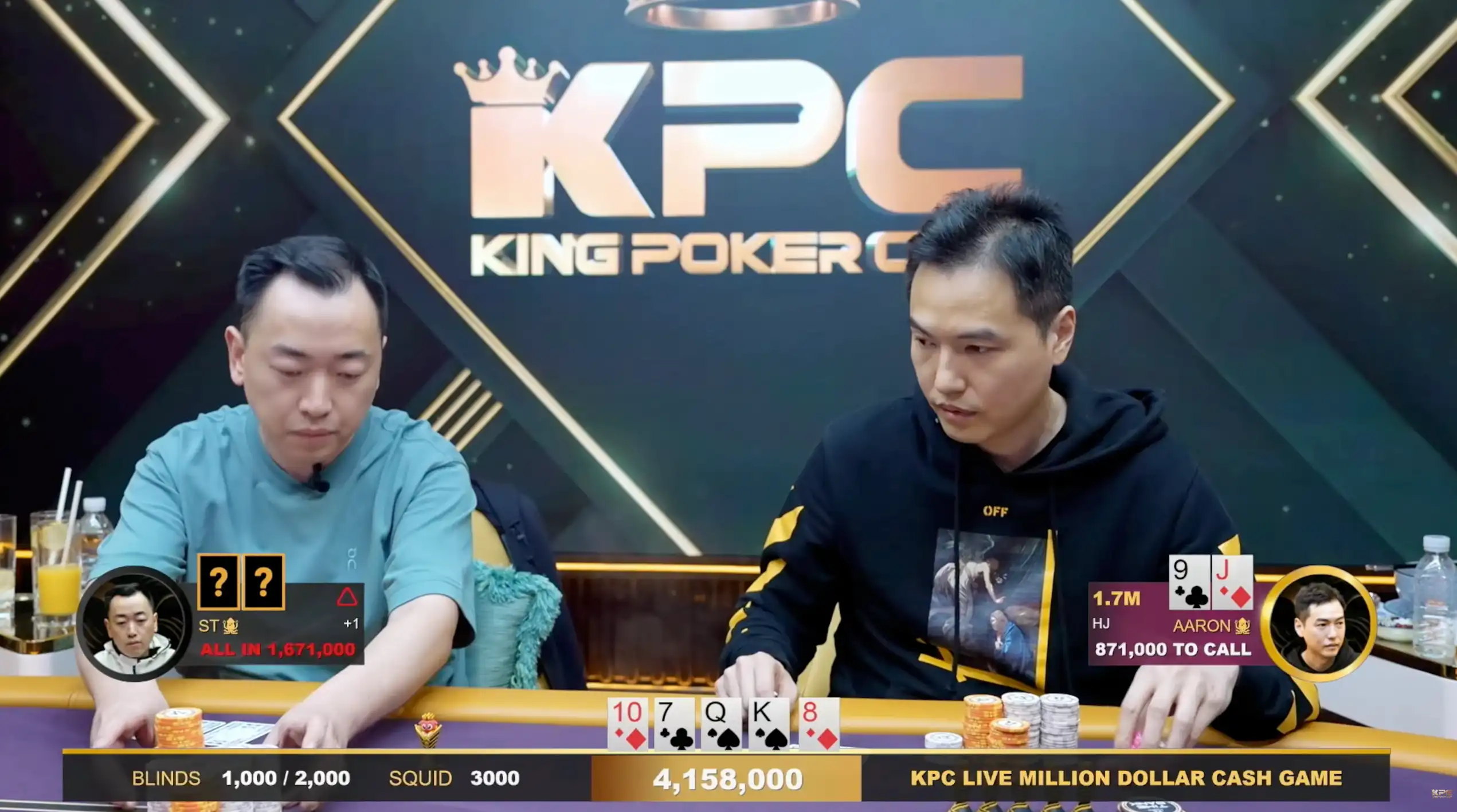

There are very few feelings in poker that beat “soul reading” your opponent and looking them up on the river with a weak hand. A big hero call gives you a massive confidence boost. It also makes other players think twice the next time they want to pull a bluff against you.
However, this plays heavily into the metagame. From a strictly theoretical point of view, making hero calls when everything suggests you are beaten can be incredibly dangerous.
You often will not find a simple strategic tip on when to make this move. It frequently boils down to your reads, table dynamics, and a strong understanding of modern poker theory.
What Is a Hero Call, Exactly?
We do not have a steadfast definition of a hero call in poker, but most players instantly recognize it when they see it.
It is a call you theoretically should not make, but you do it anyway because you feel convinced the other player is bluffing.
For example, imagine you flop a flush draw with small suited connectors like 45s. The board displays all high cards. Your opponent bets, and you make the call. The turn brings a gutshot straight draw, and you check-call once again.
The river brings a 4, giving you a weak bottom pair. You check for the third time, and your opponent fires out a healthy two-thirds pot-sized bet.
You cannot beat any hands they are betting for value. However, for some reason, you believe your pair of 4s remains good. Whether it is a live read or your history with this player, you simply know your measly pair is winning. So, you make the call.
Hero calling is not just about winning chips. You happily drag a big pot your way, but this play often serves as bragging rights. You prove to yourself and everyone else that you truly understand the game. Making such a thin call sends a clear message: opponents must try harder if they want to bluff you.
The Modern Approach: Blockers and Math
Historically, players relied entirely on intuition and “gut feelings” for hero calls. Today, modern poker strategy uses mathematics and poker solvers to find profitable calling situations.
If you want to hero call effectively, you must understand blockers. You want to hold cards that block your opponent's strong value hands, but leave their bluffing range completely unblocked.
For example, if the board features a missed flush draw, holding a card of that specific suit makes a hero call much worse. Why? Because you are physically blocking the exact cards your opponent needs to run their busted flush draw bluff. Conversely, holding cards that block the obvious straights or sets makes your weak pair a much better candidate for a call.
When Does Hero Calling Make Sense?
A hero call provides a massive adrenaline rush. Consequently, many players fall into the trap of making this play far too often.
If you regularly pay off huge river bets just to occasionally catch someone with their hand in the cookie jar, you destroy your win rate. The times you pay off their monsters will easily cancel out that rare occurrence when you catch their bluff.
To seriously consider hero calling in a big pot, specific conditions must align:
- You face a player who frequently runs big, multi-street bluffs.
- The way the hand played out justifies the call (they represent very few value hands).
Ideally, you want a scenario where both conditions are true. This creates the best possible spot to make your move.
A Practical Hero Call Example
Let's break down a typical hero call scenario: You open with Pocket Jacks against a very aggressive opponent. They just flat call from the big blind.
- Flop: A-10-5 with a flush draw. They lead out. You know this aggressive player never slow-plays their monsters. You make the call.
- Turn: An offsuit 7. They fire out a full pot-sized bet. Nothing changed. If you were winning on the flop, you are probably still ahead. You call.
- River: Another 5 pairs the board but misses all straight and flush draws. They move all-in for 1.5x the pot.
Their story simply does not add up:
- They would likely 3-bet AA and TT preflop.
- Being aggressive, they would probably 3-bet AT as well.
- They would not use this aggressive line and sizing with a weak Ax hand.
They only represent 55 or maybe A5 here. Meanwhile, they could hold plenty of bluffs with broadways or busted draws.
When you add everything together, this scenario justifies a hero call. Their story makes no sense, and you hold a hand with decent showdown value.
However, you should not routinely call off in these spots. Perceptive players will quickly notice your tendency to call light on the river. They will adjust and start value-betting you relentlessly. Keep this move as an occasional weapon in your playbook.
Pros & Cons of a Hero Call
Being able to make big hero calls adds immense value to your overall repertoire. Intimidating opponents and reducing their desire to bluff against you are powerful psychological advantages.
Furthermore, this play remains highly profitable. If you play against “maniacs” who love huge bluffs, picking them off does wonders for your hourly rate.
You cannot simply give up your hand every time the bet looks scary. Every spot provides an opportunity if you read your opponents well and trust your analysis.
The Dangers of the Call
One of the biggest cons of hero calling is becoming too comfortable with it. You will start spewing money without realizing it.
A few correct calls might give you the false sense of being a “poker god” who reads souls. Making a brilliant call feels incredible, and players easily become addicted to chasing that high. You might start actively looking for hero call spots instead of letting them develop naturally.
Always remember that hero calling is just one weapon in your vast poker arsenal. Use it sparingly. Any poker decision driven by ego or emotion usually ends badly. Never make a hero call just to show off or beat a specific player you dislike.
Finally, do not go for a hero call if losing the pot will destroy your mental game. If seeing them turn over the nuts will push you into severe tilt, simply fold. You are better off saving your chips and playing your best game for the rest of the session.
The Do’s & Don’ts of Hero Calls
We do not have a perfectly rigid strategy for this play since it remains heavily situation-dependent. However, keeping a simple checklist in mind helps you avoid disaster.
Do:
- ✔ Be ready to make tough calls when the math and the situation warrant it.
- ✔ Think about all essential aspects of the hand before acting.
- ✔ Consider the exact bet sizing in relation to the pot.
- ✔ Evaluate your blockers and both players' likely ranges.
- ✔ Trust your analysis when you feel confident you hold the winner.
Don’t:
- ✖ Never call simply because you dislike the player or want to show dominance.
- ✖ Do not make a habit of calling huge bets just to chase the adrenaline “high”.
- ✖ Never force things or intentionally seek out hero call spots.
- ✖ Do not fold out of fear if your read and the math tells you to call.
In poker, you should never feel ashamed of folding. Making unwarranted hero calls out of pure curiosity or fear of getting bluffed will quickly drain your bankroll. Even if someone bluffs you off the best hand, you gain valuable information for future hands.
A calm, systematic approach remains essential, especially since these spots often put a significant chunk of your stack at risk.
Summary: You Are Only a Hero if it Works
The sinking expression on your opponent’s face as you drag the pot with a weak hand feels indescribable.
Hero calling looks fantastic on TV broadcasts, but it remains a dangerous two-way street. When you make the call, and they turn over the nuts, you sheepishly muck your hand. If you play poker long enough, you will experience both sides of this fence.
As with everything in poker, never let it go to your head. When you make a brilliant call based on solid reads and ranges, enjoy the moment. If your call fails, do not sweat it, provided your decision made logical sense.
If you want to truly upgrade your game and make these difficult decisions easier, consider joining a reputable poker training site to study modern ranges and blocker effects.
FAQ About Hero Calling in Poker