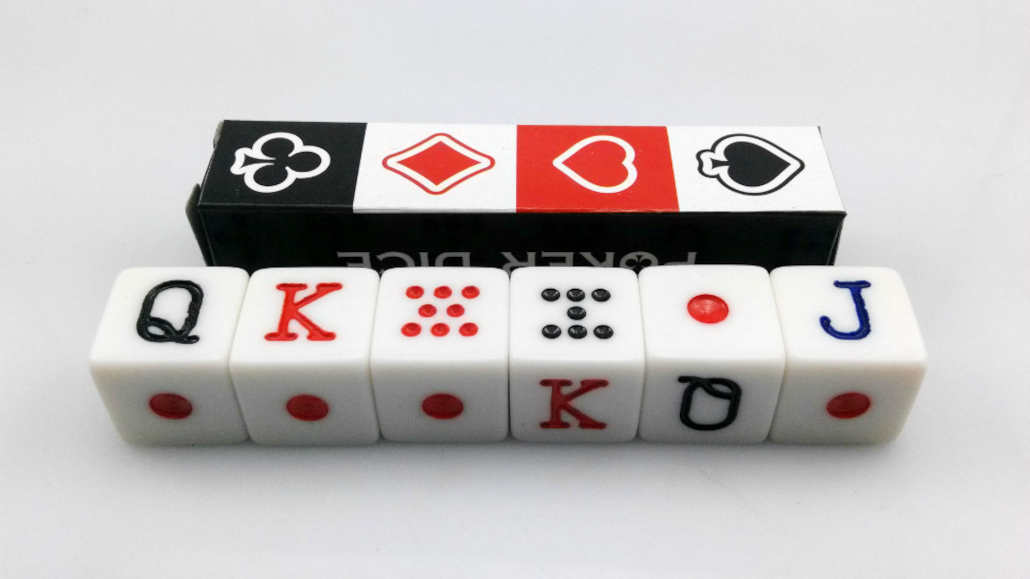



The world of competitive gaming reveals fascinating connections between different strategic disciplines. Chess grandmasters consistently demonstrate exceptional performance when transitioning to poker, while professional poker players often excel at other strategic games, suggesting that underlying cognitive abilities transfer effectively across gaming platforms.
Strategic thinking patterns developed through years of chess training create a foundation that adapts remarkably well to various gaming environments. These mental frameworks enable players to analyze complex situations, calculate probabilities, and make optimal decisions under pressure regardless of the specific game being played.
Modern online gaming platforms like nv.casino have created environments where strategic skills can be applied across multiple game types, allowing experienced players to leverage their analytical abilities in new contexts while discovering fresh challenges that complement their existing expertise.
-
1
 Bonus £40 Freeor £600 bonus
 - Trigger the bonus: You need to deposit at least £10 and generate £10 in rake to trigger the FREE training bonus. | 18+ | BeGambleAware T&Cs Apply
-
2
Bonus $600or $100 tickets
-
18+ | BeGambleAware T&Cs Apply | Read full T&Cs
-
3

The Cognitive Foundation of Strategic Gaming
Strategic games share fundamental cognitive requirements that explain why skills transfer between different disciplines so effectively. Pattern recognition, probability assessment, and decision-making under uncertainty form the core competencies that distinguish exceptional players across various gaming formats.
Chess develops spatial reasoning and long-term planning abilities through complex position evaluation and tactical calculation. These same mental processes prove invaluable when assessing poker hands, calculating odds, or evaluating risk-reward scenarios in other strategic gaming environments.
Memory and recall abilities strengthen through chess training as players learn opening sequences, tactical patterns, and endgame positions. This enhanced memory capacity translates directly to poker success, where remembering opponent behaviors, betting patterns, and previous hand outcomes provides significant competitive advantages.
The ability to remain calm under pressure represents another transferable skill developed through competitive chess play. Tournament experience teaches emotional control and rational decision-making during high-stakes situations, qualities that prove essential for success in poker and other strategic gaming contexts.
Historical Examples of Successful Crossover Players

Several notable examples demonstrate the effectiveness of skill transfer between chess and poker at the highest competitive levels. These cases prove how strategic gaming abilities adapt across different platforms and rule systems.
Jennifer Shahade, a two-time United States Women's Chess Champion, successfully transitioned to professional poker, earning significant tournament winnings and recognition within the poker community. Her analytical approach and pattern recognition skills developed through chess translated directly to poker success.
Liv Boeree, a former astrophysics student and professional poker player, credits her mathematical background and strategic thinking abilities for success in both poker and other gaming formats. Her analytical approach demonstrates how systematic thinking patterns enhance performance across multiple strategic disciplines.
Many chess masters participate successfully in poker tournaments during chess event breaks, often achieving impressive results despite limited poker-specific experience. These performances highlight the immediate applicability of strategic thinking skills across different gaming environments.
Key Skills That Transfer Between Strategic Games
Understanding which specific abilities transfer between strategic games helps explain why crossover success occurs so frequently among high-level players. The following table illustrates the primary transferable skills and their applications across different gaming contexts:
| Skill Category | Chess Application | Poker Application | Online Gaming Application |
| Pattern Recognition | Board positions and tactics | Hand combinations and tells | Game mechanics and opportunities |
| Probability Assessment | Move evaluation | Pot odds calculation | Risk-reward analysis |
| Emotional Control | Tournament pressure | Bluffing and reading opponents | Maintaining discipline |
| Memory Retention | Opening theory and positions | Opponent behaviors | Game patterns and strategies |
| Long-term Planning | Strategic positioning | Bankroll management | Session planning |
| Quick Decision Making | Time pressure situations | Betting decisions | Real-time choices |
Risk assessment abilities developed through chess training prove particularly valuable in poker and online gaming contexts. Chess players learn to evaluate multiple potential outcomes and select moves that maximize positive results while minimizing negative consequences.
Time management skills transfer effectively between different gaming formats, as chess players develop the ability to allocate thinking time efficiently during competitive play. This time awareness helps in poker tournaments and online gaming sessions where decision speed affects overall performance.
Advantages of a Strategic Gaming Background
Players with strong strategic gaming foundations enjoy several competitive advantages when transitioning to new gaming environments. Their analytical approach and systematic thinking patterns provide frameworks for rapid skill development and consistent performance improvement.
Mathematical aptitude enhanced through strategic gaming creates natural advantages in probability-based games. Chess players develop comfort with numerical analysis and statistical thinking that translates directly to poker odds calculation and risk assessment in various gaming contexts.
Adaptability represents another significant advantage, as experienced strategic players understand how to analyze new rule systems and identify optimal strategies quickly. This learning agility allows for faster skill development when exploring unfamiliar gaming formats.
The following factors contribute to successful skill transfer from traditional strategic games to online platforms:
- Analytical mindset: Systematic approach to problem-solving and decision-making processes;
- Pattern recognition: Ability to identify recurring situations and optimal responses quickly;
- Emotional discipline: Maintaining composure during both winning and losing streaks;
- Mathematical foundation: Comfort with probability calculations and statistical analysis;
- Adaptive learning: Quickly understanding new rules and developing effective strategies;
- Risk management: Balancing potential rewards against possible losses in uncertain situations.
Modern Applications in Online Gaming
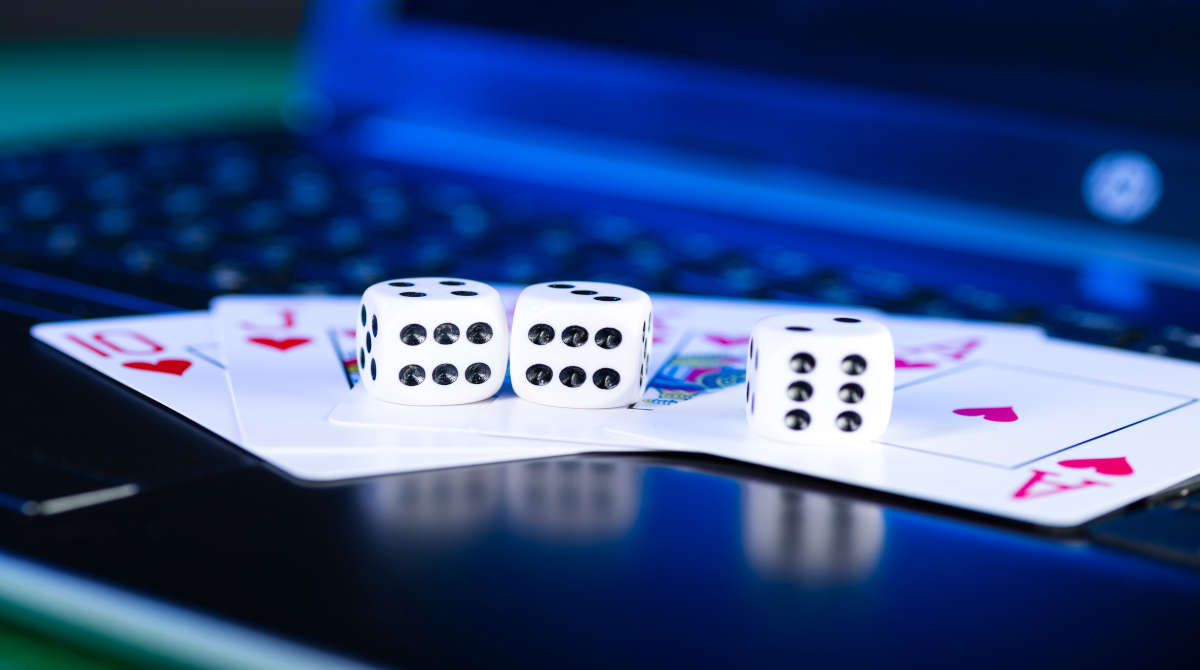
Digital gaming platforms have created new opportunities for strategic players to apply their skills across multiple game types within a single session. This accessibility allows for rapid experimentation and skill development without the time and travel constraints associated with live tournament play.
Online environments provide data tracking and analysis tools that complement the analytical mindsets of strategic players. Hand histories, statistical summaries, and performance tracking align with the systematic approaches that chess players naturally employ.
The global nature of online gaming creates diverse opponent pools that challenge players to adapt their strategies constantly. This variety mirrors the competitive chess environment where players face different styles and approaches from international opponents.
Cross-training between different strategic games online has become increasingly popular as players discover how skills complement each other. Many successful online players actively engage with multiple game types to maintain sharp analytical abilities and prevent strategic stagnation.
Maximizing Strategic Skill Development
Developing transferable strategic gaming skills requires deliberate practice and systematic improvement approaches. Players benefit from focusing on fundamental cognitive abilities rather than game-specific techniques when building long-term competitive advantages.
Regular analysis of gameplay decisions helps identify patterns and areas for improvement across different gaming formats. This reflective practice strengthens decision-making abilities and builds the analytical habits that characterize successful strategic players.
Cross-training between different strategic games accelerates skill development by reinforcing common cognitive patterns while providing fresh challenges. This variety prevents mental stagnation and maintains engagement with strategic improvement processes.
Mental training techniques used by chess players, including visualization exercises and calculation practice, enhance performance in all strategic gaming contexts. These focused training methods develop the cognitive abilities that underlie success across multiple gaming disciplines.
Building Strategic Excellence Across Platforms
The connection between chess mastery and poker success illustrates broader principles about strategic skill development and transfer. Understanding these relationships helps players maximize their competitive potential across various gaming environments while building sustainable long-term advantages.
Strategic gaming skills represent investments that compound over time, providing benefits across multiple contexts and platforms. Players who develop strong analytical foundations create versatile skill sets that adapt to changing gaming landscapes and emerging opportunities.
The future of strategic gaming likely involves increased cross-pollination between different disciplines as players recognize the value of diverse strategic experiences. This trend suggests that versatility and adaptability will become increasingly important for sustained competitive success.