

Poker is a game of discipline, focus, and long-term strategy. Whether you’re grinding online tables or playing live sessions, staying mentally sharp is key to maintaining an edge.
But what happens when you're away from the felt? Surprisingly, the answer for many players involves something unexpected: casual game play.
Low-pressure games can act as a valuable supplement to your poker training routine. They offer a way to relax while keeping your brain engaged, improving cognitive flexibility, reaction time, and pattern recognition.
Platforms like Highroller, an immersive browser-based social gaming experience, are helping players stay mentally sharp during downtime without the intensity of competitive poker.
Let’s explore how this off-table strategy works and why it’s becoming a useful part of player development.
-
1
 Bonus £40 Freeor £600 bonus
 - Trigger the bonus: You need to deposit at least £10 and generate £10 in rake to trigger the FREE training bonus. | 18+ | BeGambleAware T&Cs Apply
-
2
Bonus $600or $100 tickets
-
18+ | BeGambleAware T&Cs Apply | Read full T&Cs
-
3

Why Mental Flexibility Matters in Poker
At any given moment in a hand, poker demands a combination of logic, emotional control, probabilistic thinking, and focus. The longer the session, the harder it becomes to maintain this mental sharpness.
That’s why pros focus as much on recovery and mental performance as they do on studying ranges or reviewing poker hands.
Mental flexibility — the ability to shift focus, adapt strategies, and think on your feet — is crucial at the tables. And like any other skill, it needs regular maintenance.
Taking breaks from poker doesn’t mean turning your brain off. In fact, the best breaks still challenge your thinking — just in a more relaxed, low-risk environment.
Cognitive Benefits of Casual Game Play
Casual games often involve strategic decision-making, memory use, and rapid problem-solving. While they may not simulate the complexity of poker directly, they do engage many of the same cognitive systems.
Here are some key benefits:
- Improved pattern recognition – Games that require matching sequences or spotting combinations help reinforce visual scanning and pattern awareness — both essential for reading boards and hand ranges.
- Increased working memory – Many casual games demand that you track multiple items or objectives at once, which exercises short-term memory — a vital part of decision-making in poker.
- Faster reaction time – Games involving time-based challenges train your brain to respond quickly and efficiently under pressure, similar to fast-paced online poker formats.
- Stress reduction – Casual play provides relaxation, which lowers stress and supports better long-term mental stamina.
By blending fun with focus, these games support healthy mental engagement without the intensity of a full poker session.
Games That Align with Poker Skills
Not every casual game is equally valuable when it comes to poker support. Look for experiences that stimulate problem-solving, strategy, or fast decision-making. Here are a few types that align well with poker-related thinking:
- Puzzle and logic games – Sudoku, block-matching games, and strategy puzzles can sharpen pattern recognition.
- Card-matching or timing-based games – These reinforce attention and quick reaction time.
- Strategy-lite games – Resource or move-planning games mimic elements of poker's forward-thinking mindset.
- Gamified decision-making – Social-style games that simulate risk/reward decisions can help develop intuitive thinking, especially during breaks from real poker sessions.
High-quality browser-based games — like those found on Highroller, an immersive browser-based social gaming platform — provide variety without requiring a competitive mindset. This makes them a great choice when you're between sessions but still want to stay mentally active.
Why This Approach Works for Poker Players
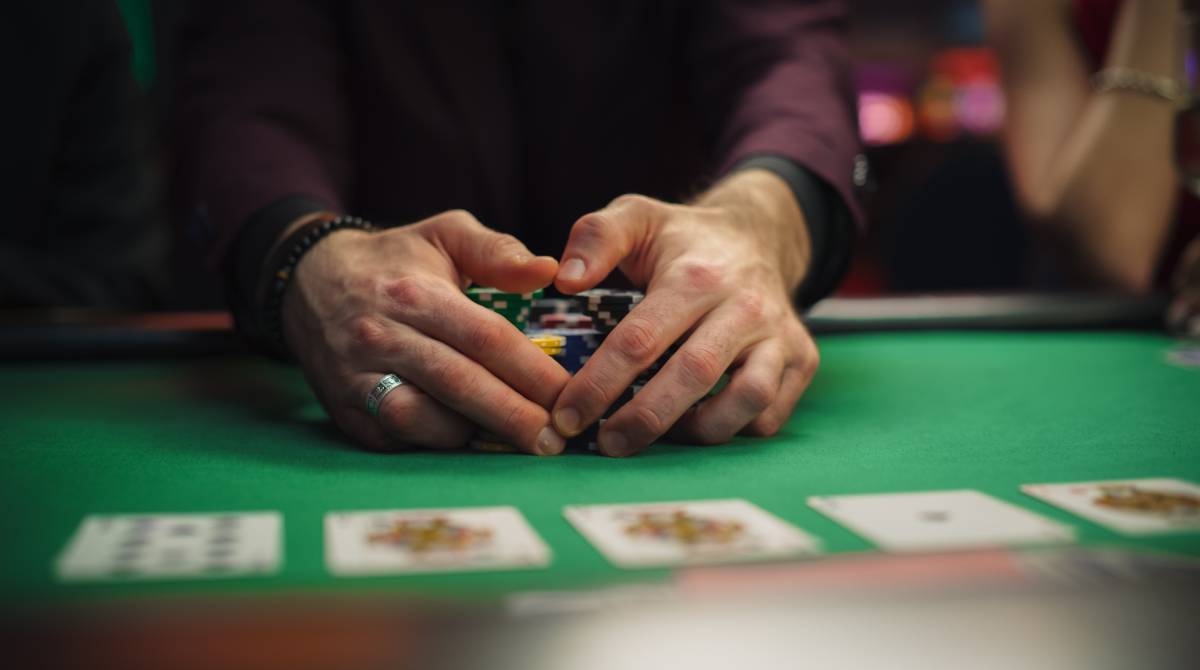
The reason casual game play works as a supplemental tool for poker players is simple: engagement without pressure. You’re using core mental functions (like memory, logic, and adaptive thinking) in a different, more relaxed environment.
This cognitive shift can help in several ways:
- Avoiding burnout – Taking mental breaks while still staying active prevents fatigue from overstudying or overplaying.
- Training through variation – Introducing new problem-solving formats keeps the brain learning, which can improve flexibility in poker strategy.
- Maintaining confidence – When you’re on a downswing or taking a break from the tables, casual play provides an easy win — reinforcing positive mental patterns that you can carry back into poker.
According to a study published by the National Institutes of Health, engaging in cognitive leisure activities — including strategic games — supports executive functioning, memory retention, and mental resilience, all of which directly impact performance in cognitively demanding tasks like poker.
Integrating Casual Game Play Into Your Routine
The key is not to replace your poker study, but to supplement it. Consider the following approach:
- Use casual games during short breaks in long study sessions
- Play for 10–15 minutes during downtime to stay mentally active without strain
- Choose games that support specific mental functions you want to enhance (like reaction time, focus, or logic)
This strategy is especially effective during travel, recovery after long sessions, or periods when you're stepping away from real play to avoid burnout.
Maintaining Balance Off the Felt
Poker is demanding — not just physically, but cognitively. By integrating casual, non-competitive games into your off-table routine, you create a low-stress environment to support your mental edge.
This simple strategy helps you return to the tables with greater focus, better mental clarity, and a refreshed mindset.
Platforms like Highroller, with their wide selection of immersive browser-based social gaming options, offer a valuable tool in your off-felt training arsenal — allowing you to recharge while still staying sharp.