

Poker is typically described as a mix of ability and luck, but it is probability that bridges those two. Every decision — raising a small bet on the flop to all-in' with a good draw — relies on the mathematics of the cards. Knowing how often your flush will hit or how likely your opponent's improvement is makes a wild guess an informed choice.
The more you exercise making these estimates, the less you'll rely on your intuition. That advantage isn't limited to poker; once you develop the habit of probabilistic thinking, those skills will serve you as a superior player at almost any card game.
-
1
 Bonus £40 Freeor £600 bonus
 - Trigger the bonus: You need to deposit at least £10 and generate £10 in rake to trigger the FREE training bonus. | 18+ | BeGambleAware T&Cs Apply
-
2
Bonus $600or $100 tickets
-
18+ | BeGambleAware T&Cs Apply | Read full T&Cs
-
3

Skills That Transfer Beyond Poker
A highly specific example is in Texas Hold 'em computing “outs.” When you have four hearts and there are two cards remaining to be dealt, you know there are nine potential cards that would make you a flush. That's about a 35% shot at making it by the river. If you catch this right away, you can determine if calling a bet is worth it.
This type of thinking carries over well to other games. Players who develop this skill in poker tend to feel more comfortable moving over to blackjack online where every move to hit, stand, or double down is weighed by the possibility of enhancing your hand compared to busting.
Though rules vary, the mentality remains the same: evaluate the odds, take the best action, and realize that results will fluctuate in the short run.
Long-Term Thinking and Better Decision-Making
Studying probability also teaches patience and long-term thinking. In poker, one hand might be the beneficiary of a bad beat, but over the course of a thousand hands, the player who makes mathematically correct decisions will be in the money. Acquiring faith in the process changes the way you play card games in general.
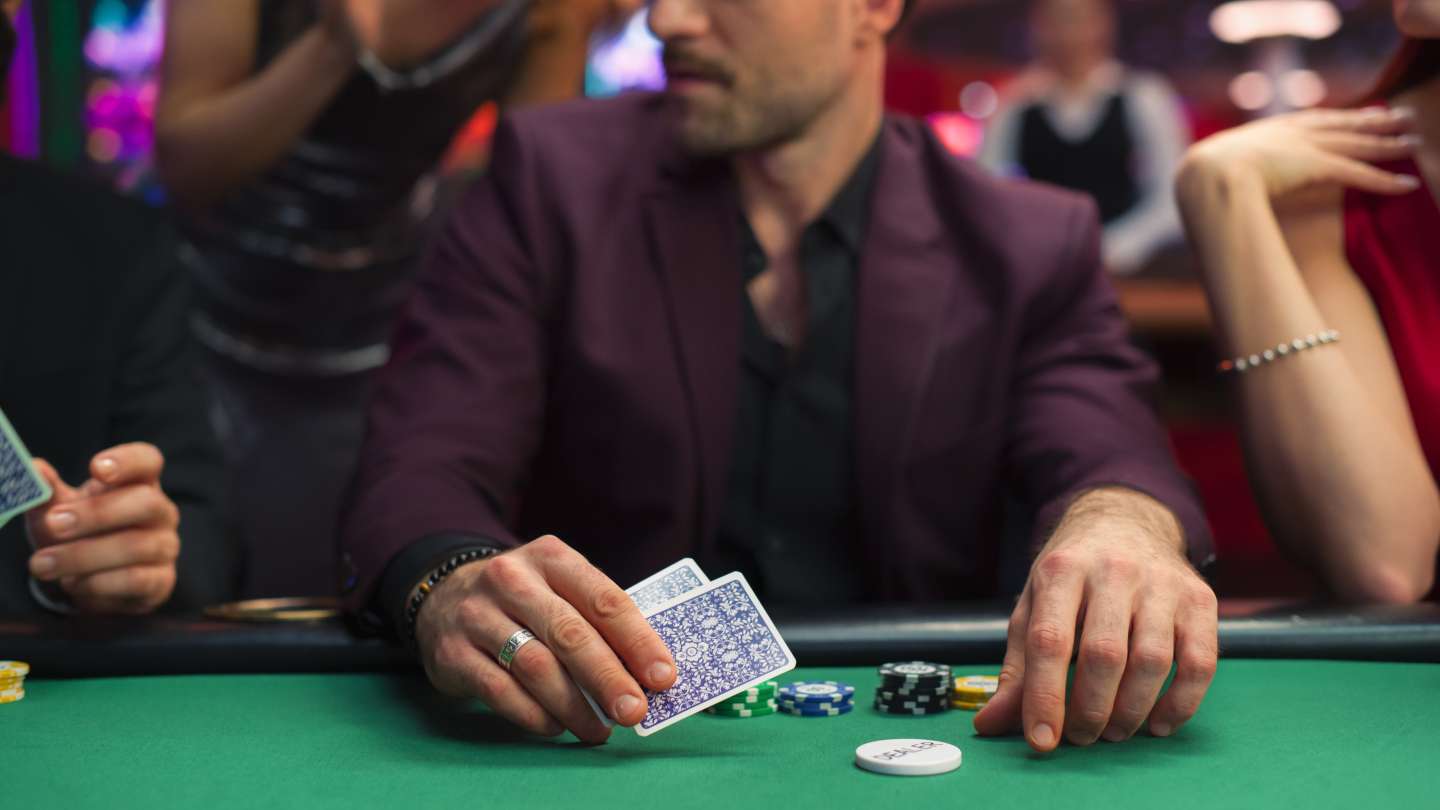
Consider a typical table of poker: you're on the button with a suited connector, facing a small raise. By calculating pot odds and implied odds, you know calling is the correct move even though this time you'll lose the hand.
That same restraint is applied to blackjack. You resist the urge to follow a risky play because you know the math doesn't support it. Probability relaxes you in reason rather than passion, which is a huge asset in any money game.
Avoiding the Pitfalls
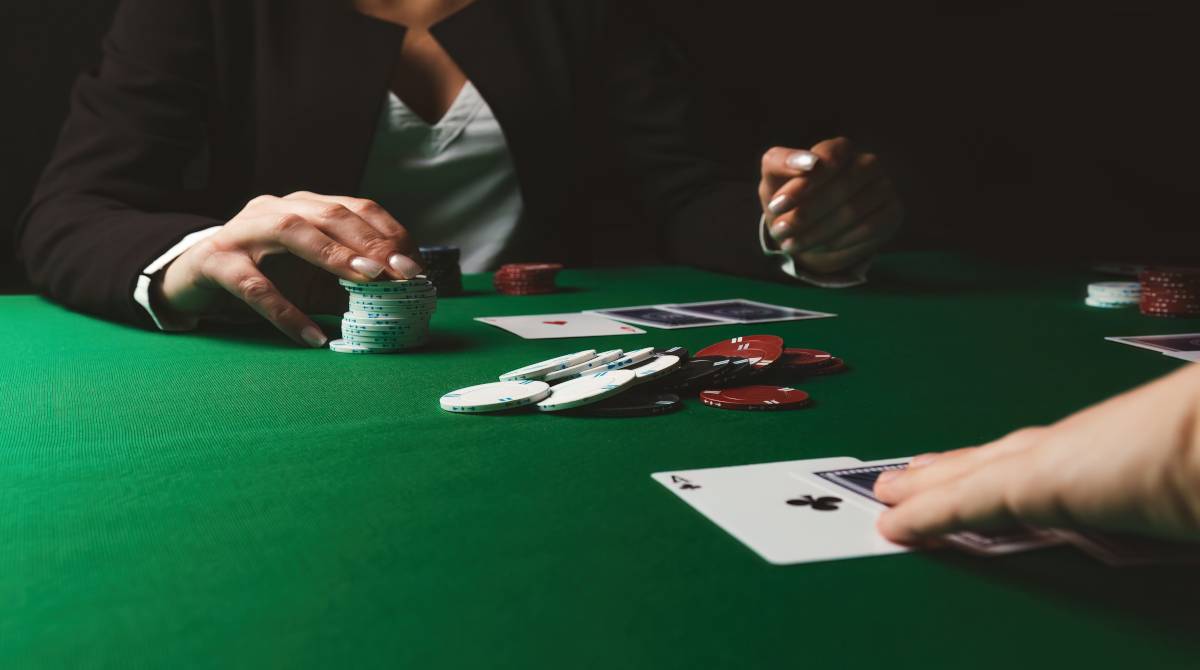
By far the majority of players, even new players, fall into traps that would be preventable if they knew the probability. In poker, it might be called a big raise on a gutshot straight draw, which comes only 16% of the time to the river. Not knowing that, it is easy to justify a call that in the long run will lose money.
The same applies away from poker. In blackjack, for instance, players will occasionally feel as though they are “due” to win following a losing series.
An elementary understanding of probability keeps you in mind that the hand is random and that they are not, which is only a cause of bad decision-making. Getting numbers in your head creates a shield against common mental traps.
Confidence and Flexibility at the Table
Apart from strategy, understanding probability makes you confident. When you know your decisions are mathematically sound, you will not lean back when you suffer a bad beat or second-guess yourself when variance is against you. That attitude is as beneficial in a tournament as it is at an informal game room.
It also makes you more adaptable. Whether you're trying Omaha for the first time or are participating to play blackjack, your understanding of how to compute odds gives you a foundation on which you can learn quickly. Instead of being perplexed at new rules, you can turn to proven thinking to guide your decisions.
Conclusion
Probability is more than a tool for calculating poker outs and is the basis of smart poker decision-making, and, in fact, card game decision-making in general. Mastering it will not only make you a better poker player, but also a better critical thinker in a stressful environment, avoid pitfalls, and approach every game with confidence.
Whether you're calculating the chances of getting a flush in Hold 'em or thinking about odds before you act in blackjack on the web the mindset is the same: listen to the numbers, let them guide. Poker is where you learn these lessons but the payoff endures more than a game, making you a wiser and more self-disciplined card player overall.