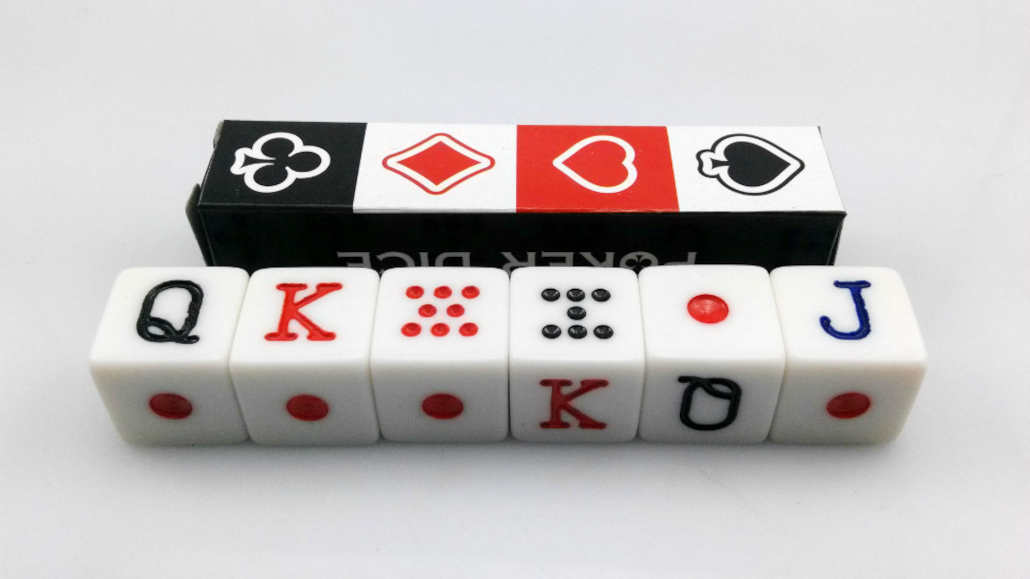




Over the past two decades, online poker has transformed from a niche pastime into a global phenomenon. So let's take a look at the advantages, common pitfalls, strategic tools and training methods that can give you an edge on the virtual felt.
Online poker started as a convenient alternative to live games and has since evolved into a highly competitive arena for skilled players and also a place for casual players too.
-
1
 Bonus £40 Freeor £600 bonus
 - Trigger the bonus: You need to deposit at least £10 and generate £10 in rake to trigger the FREE training bonus. | 18+ | BeGambleAware T&Cs Apply
-
2
Bonus $600or $100 tickets
-
18+ | BeGambleAware T&Cs Apply | Read full T&Cs
-
3

Why Online Poker Holds Such Appeal
The allure of online poker isn't hard to understand. It's poker without borders. Whether you want to play at 3 p.m. on your lunch break or 3 a.m. from your couch. There's always a game running. Unlike live poker, where you're limited to the stakes and formats available at your local casino, online platforms like Nettikasinot offer a massive selection, including:
- Cash games in a wide range of stakes.
- Tournaments (MTTs) with guaranteed prize pools.
- Sit & Gos for quick, single-table battles.
- Variations of poker like Pot-limit Omaha (PLO), Short Deck and mixed games.
Online poker also lets you play multiple tables at once. This accelerates both your hands-per-hour and your learning curve too. For many, that combination of flexibility, variety and accessibility brings their experience to the next level.
Avoiding the Most Common Pitfalls
While the opportunities are abundant, online poker also comes with unique challenges. This includes:
- Underestimating the competition: Online games, especially at mid and higher stakes, tend to be tougher than live games. Many opponents use tracking software, study charts and follow optimal strategies. If you sit down without the right preparation, you risk becoming easy prey.
- Poor bankroll management: The fast pace of online play means variance hits hard. Without a disciplined bankroll strategy like keeping at least 20-50 buy-ins for cash games and 100+ for tournaments, you risk going broke even if you're a winning player.
- Ignoring a site's reputation: Not all poker sites are created equal. Always research the platform's reliability, traffic levels and security.
- Overlooking legal restrictions: Online poker laws vary by country and in the U.S. by state. So it's important to make sure you're playing on a legal, licensed site in your jurisdiction.
Tools That Give You a Strategic Edge
Online poker rewards players who use the right tools. There are a number of online resources that can make a significant difference in your game. This includes:
- Poker odds calculator: Quickly determine your equity in specific scenarios.
- Push/fold charts: These are perfect for short-stack tournament play.
- Preflop ranges app: Ensures you're entering hands from the right positions.
- Hand replayer: Analyze past hands to identify leaks and missed opportunities.
Integrating these tools into your study routine will improve your decision-making speed and accuracy. This can be crucial in a fast-paced online environment.
The Secret Weapon of Training and Software

Serious online players don't just rely on experience. They actively study using training programs and poker software. There are a number of training courses that provide structured lessons that move from basic theory to advanced concepts.
This guided learning approach prevents you from falling into bad habits and can ensure that your game progresses steadily. By combining study and practice, you can ensure your skills keep pace with the ever-evolving online poker landscape.
Just remember that even the most educated and experienced players will still experience loss. Training can only ever improve your knowledge to make more informed decisions; it cannot guarantee wins.
From Online to Live and Back Again
Many players wonder whether skills from online poker translate to live games. The answer is yes, but with caveats. Online poker teaches discipline, hand-reading based on betting patterns and resilience against variance. These are invaluable in live play.
However, live games introduce physical tells, table talk and slower pacing. These are all elements largely absent online. However, on the flip side, live players transitioning to online are likely to face more aggressive and theory-driven opponents.
They must adapt to multi-tabling and the absence of in-person cues. The best players treat both formats as complementary, using each to sharpen different aspects of their game.
The Value of Staying Informed
Online poker is always changing. There are new sites launching, shifts in regulations and developments with software tools. So it's important to stay up to date. This will prevent you from missing out on opportunities like:
- A site offering a large welcome bonus.
- A network launching soft games due to new traffic.
- Strategy shifts in the meta (this could look like trends in opening sizes or 3-betting frequencies).
Success in online poker isn't just about knowing the rules. It's about combining preparation, disciplined bankroll management, effective habits and the right tools.
The virtual felt can be an intimidating place. But it's also where countless poker success stories begin. Whether you're aiming to climb the stakes, score big tournament wins or simply outplay your home game friends, the path to improvement is clear and that is prepare, play smart and never stop learning.