
The game of poker constantly changes and evolves. It grew from dusty old saloons to modern casinos. Today, the industry keeps creating exciting new formats.
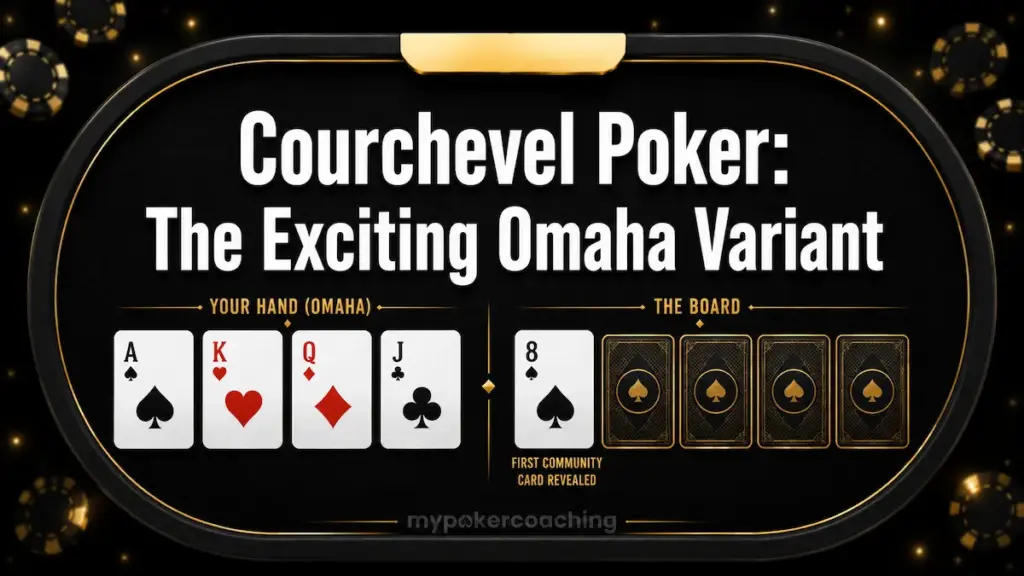
Minor rule changes often require completely new winning tactics. Courchevel poker perfectly demonstrates this exciting concept. This format closely mirrors traditional Pot-Limit Omaha. However, dealers expose the first community card before the preflop betting round begins.
This single adjustment shifts the entire dynamic of the game. Players must rethink their standard hand selection entirely.
Are you an experienced Omaha veteran or a curious beginner? Either way, this fresh Pot-Limit Omaha alternative provides thrilling action. It guarantees intense strategic battles at the tables.
What You Will Learn About Courchevel
This in-depth article explores the origins of the game. We will explain essential poker rules and game mechanics clearly. We also compare it to standard Pot-Limit Omaha.
Finally, we share basic and advanced strategies for your success. Read on, play responsibly, and master this unique European Omaha variant today.
Would you like me to rewrite the second half of the article using these same strict rules? If so, just paste the text here!
The Origins of Courchevel Poker
This unique poker variant has fascinating European roots. It originated at a luxurious French Alps ski destination. Naturally, the town of Courchevel gave the game its name.
Rich entrepreneurs wanted more excitement than traditional Pot-Limit Omaha offered. Therefore, they modified the classic format to increase the overall thrill.
The game never reached the global fame of standard Omaha. However, a dedicated cult following quickly emerged among elite players. High-stakes mixed-game regulars absolutely love this action-packed variant.
European casinos frequently feature it in mixed poker formats today. You will often see it played during high-stakes H.O.R.S.E. rotations.
Basic Courchevel Rules and Gameplay
Courchevel poker rules borrow heavily from classic Pot-Limit Omaha. Yet, a massive preflop twist separates these two games.
Tables usually seat anywhere from two to ten players. The dealer always uses a standard fifty-two card deck.
Your ultimate goal is building the strongest five-card hand possible. You must use exactly two of your private hole cards. Combine these with exactly three of the shared community cards.
Posting Blinds and Antes
Action begins before the dealer distributes any cards. Two players left of the button post mandatory blind bets. They pay the small blind and the big blind.
This initial money guarantees a pot to encourage active betting. Certain cash games or tournaments also require mandatory antes. If antes exist, every single active player must pay them.
Dealing the Cards and the Preflop Twist
After collecting blinds, the dealer hands out the starting hands. Each player receives five private cards dealt face down. A few rare variations might only deal four hole cards.
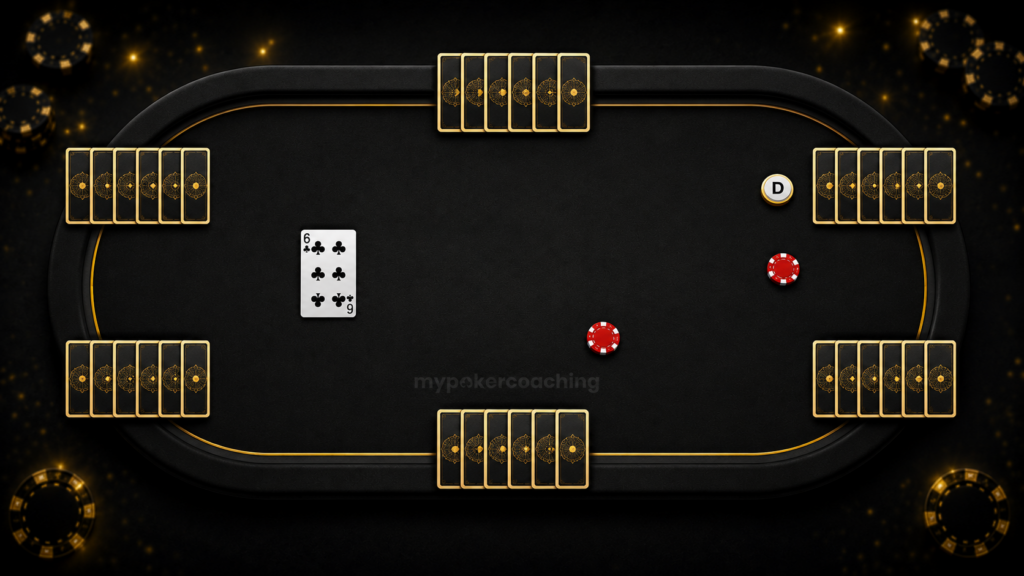
Now comes the signature defining moment of the entire game. The dealer flips the first flop card face up. Crucially, this happens before any preflop betting actually begins.
Players commonly call this exposed card the Courchevel card.
Navigating the Preflop Betting Round
The first betting round starts once the initial card appears. Players now face three distinct choices at the table.
- Fold: You can discard your hand entirely and exit the round.
- Call: You can match the current big blind amount exactly.
- Raise: You can increase the active wager by committing more chips.
Casinos traditionally spread this game using pot-limit betting structures. However, fixed-limit and no-limit variations exist in some card rooms.
The Flop, Turn, and River
Once preflop action concludes, the dealer completes the flop. Two more community cards land face-up on the felt. This triggers the second official round of betting.
After the flop action finishes, the turn card appears. The dealer places this fourth community card face-up. Players then engage in a third round of betting.
Next comes the fifth and final board card. This crucial card is universally known as the river. The river triggers the fourth and final betting round.
Showdown and Hand Rankings
Multiple active players might remain after the last bet. If so, the hand proceeds directly to a showdown. Everyone turns their private hole cards face-up for comparison.
Remember strict poker rules dictate hand construction here. You must use exactly two hole cards in your combination. Blend those with exactly three community cards from the board.
The dealer awards the pot to the strongest five-card hand. Ties happen much less frequently here than in Texas Hold’em. However, any tied winning hands will split the pot equally.
Analyzing Board Texture Effectively
Once the dealer reveals the complete flop, you must constantly reevaluate your situation. Consider whether you can hit the absolute nuts or if your holding remains vulnerable. Always pay close attention to the general betting tendencies of your opponents.
Imagine the dealer spreads a dry rainbow board like A-7-2. Weaker players frequently overcommit chips holding just a single naked Ace. This scenario creates highly profitable bluffing opportunities on future streets. These plays work best whenever you actively hold key blockers in your hand.
Advanced Strategies for Strategic Bluffing
Everyone sees that initial community card before any chips enter the pot. Therefore, your bluffs require a much higher level of nuance and planning.
Suppose the exposed Courchevel card happens to be the King of Spades. Imagine you currently hold a connected hand like K-Q-J-10-9. You can easily represent both top pair and a massive straight draw. This powerful combination of perceived strength will easily force tight opponents to fold.
Blocking cards offer another incredible tactical advantage in this format. Let us say you hold the naked Ace of Spades. If the King of Spades is exposed, you can convincingly represent a premium flush draw. This aggressive tactic works perfectly even if your actual overall hand is quite weak.
Advanced Strategies and Winning Tips
You need more than just a basic understanding of poker rules to succeed. Mastering this variant requires adjusting to dynamic table conditions constantly.
The Importance of Table Position
You must alter your standard game plan depending on your seat. Late positions offer a massive tactical advantage during play. Acting last lets you gather critical information to steal pots.
Therefore, you can profitably play wider ranges from the button. Conversely, you must play significantly fewer hands from early positions. Acting first means you navigate post-flop rounds with limited information.
Pot Control with Marginal Holdings
Most casinos use a pot-limit structure for this specific game. Consequently, overplaying medium-strength cards will destroy your poker bankroll.
Imagine holding top pair with a completely useless kicker card. You should strongly consider checking to keep the pot small. Never needlessly bloat the pot without a truly premium hand.
Profiling Your Opponents Accurately
Always watch your rivals closely and categorize their playing styles. Calling stations hate folding, so value bet them heavily.
Extremely tight players surrender easily to any signs of aggression. You can routinely execute successful bluffs against these timid players.
Meanwhile, aggressive maniacs constantly overplay weak holdings at the table. Simply trap these wild players whenever you hold premium cards.
Balancing Your Preflop and Postflop Ranges
Betting only your absolute monsters makes you incredibly transparent. Observant opponents will quickly figure out your exact game plan.
You must remain unpredictable to survive in modern card games. Always mix well-timed bluffs alongside your legitimate value bets. This balanced approach stops smart rivals from exploiting your strategy.
Common Mistakes to Avoid in Courchevel
Poker is full of hidden traps and expensive pitfalls. Do not be overly harsh on yourself after making blunders. Even seasoned pros struggle when switching to this complex format.
Recognizing these common errors minimizes your chances of failing. Watch out for these frequent strategic missteps at the tables.
Overvaluing Weak One-Pair Hands
Winning at showdown with merely a top pair is highly unlikely. Beginners often overestimate hands like A-K-x-x-x unnecessarily. They mistakenly feel safe when an Ace is exposed early.
Single pairs almost never survive in any Omaha variant. These action-heavy games heavily favor players holding the absolute nuts.
Ignoring the Exposed Community Card
Treating this game exactly like classic Omaha is disastrous. You must constantly evaluate that crucial first flop card.
Always adjust your preflop betting range based on this information. Only proceed if this exposed card actually improves your holding.
Chasing Weak Non-Nut Draws
Pursuing second-best flushes or weak straights drains your stack rapidly. Calling massive bets with marginal draws ruins long-term profitability. You will simply bleed chips over time with this strategy.
Instantly fold your weaker draws without a second thought. Only proceed when holding nut potential or excellent implied odds.
Tilting After Inevitable Bad Beats
This specific format produces notoriously massive bankroll swings. Therefore, mastering your mental game remains absolutely essential for survival.
Practicing mindfulness helps maintain a calm and focused demeanor. This approach effectively prevents emotional tilt during brutal losing streaks. Always remember that mathematical variance is completely unavoidable in poker.
Courchevel vs. Pot-Limit Omaha vs. Texas Hold’em
Although classified as an Omaha variant, Courchevel poker demands a significantly deeper strategic approach. Let us compare Courchevel, Pot-Limit Omaha, and Texas Hold’em based on their official poker rules.
| Feature | Courchevel | Pot-Limit Omaha (PLO) | Texas Hold’em |
| Starting Hole Cards | 5 (occasionally 4) | 4 | 2 |
| Community Cards | 5 (first exposed early) | 5 (hidden preflop) | 5 (hidden preflop) |
| Hand Requirements | Exactly 2 hole, 3 community | Exactly 2 hole, 3 community | Any combination of 5 cards |
| First Card Reveal | Before preflop bets | After preflop bets | After preflop bets |
| Betting Format | Usually Pot-Limit | Usually Pot-Limit | Mainly No-Limit |
| Strategic Focus | Leveraging early information | Multi-way pot odds | Positional play and bluffing |
| Winning Hand Strength | Massive draws dominate | Massive draws dominate | Top pair frequently wins |
| Game Complexity | Very high | High | Moderate |
| Overall Popularity | Niche mixed games | Highly popular | Worldwide phenomenon |
| Target Audience | Advanced players | Action seekers | All skill levels |
Conclusion: Ready to Master Courchevel?
Courchevel poker offers an incredible twist on classic Pot-Limit Omaha. Revealing that first community card completely changes the dynamic. You must adapt your standard poker rules knowledge to succeed.
We hope our basic and advanced strategies significantly improve your gameplay. Always remember to manage your bankroll and play responsibly.
Are you finally ready to test your new skills online? Check out our comprehensive poker room reviews to find the perfect tables today.
Pros and Cons of Playing Courchevel
Understanding the benefits and drawbacks of this format helps you manage expectations. Here is a quick overview of what to expect at the tables.
| Pros of Courchevel Poker | Cons of Courchevel Poker |
| 1. The exposed preflop card allows for smarter starting hand selection. | 1. Players will experience extreme variance and massive bankroll swings. |
| 2. This format delivers thrilling action and creates massive pots constantly. | 2. Finding active online tables or live casino games is difficult. |
| 3. Many opponents play poorly by using flawed classic Omaha strategies. | 3. Evaluating five hole cards makes this game incredibly complex. |
| 4. It provides a refreshing break from standard Texas Hold'em routines. | 4. Frustrating bad beats happen often due to heavily chased draws. |