

Have you ever seen a pro playing poker on TV and wondered how good they are? It may seem magical, but it is not due to luck or any superpower. The top players all have skills and qualities they have developed through hard work.
The good news is these aren’t traits you’re born with. Anyone can learn them. You can learn to create the same skills in your game by understanding what makes a player successful.
The winners display particular qualities that set them apart from the others. Let’s analyse them.
-
1
 Bonus £40 Freeor £600 bonus
 - Trigger the bonus: You need to deposit at least £10 and generate £10 in rake to trigger the FREE training bonus. | 18+ | BeGambleAware T&Cs Apply
-
2
Bonus $600or $100 tickets
-
18+ | BeGambleAware T&Cs Apply | Read full T&Cs
-
3

Discipline
If you can only focus on one quality, make it discipline. In poker, discipline means having a game plan and sticking to it even when doing something else is tempting. The voice in your head tells you to fold a weak hand instead of hoping to get lucky.
It stops you from trying to win back all your money in one crazy hand after a loss. Many top Canadian poker players built their careers on playing a smart, disciplined game over many years.
A big part of discipline is bankroll management. Successful players never risk too much of their bankroll in a single game.
They know even the best players have losing sessions. By only playing with a small percentage of their total bankroll, they ensure a string of bad luck won’t wipe them out.
Discipline is about playing smart, not rigidly. It means choosing the right games to play, folding when you know you’re beat and managing your money so you can stay in the game for the long haul.
Staying Cool Under Pressure
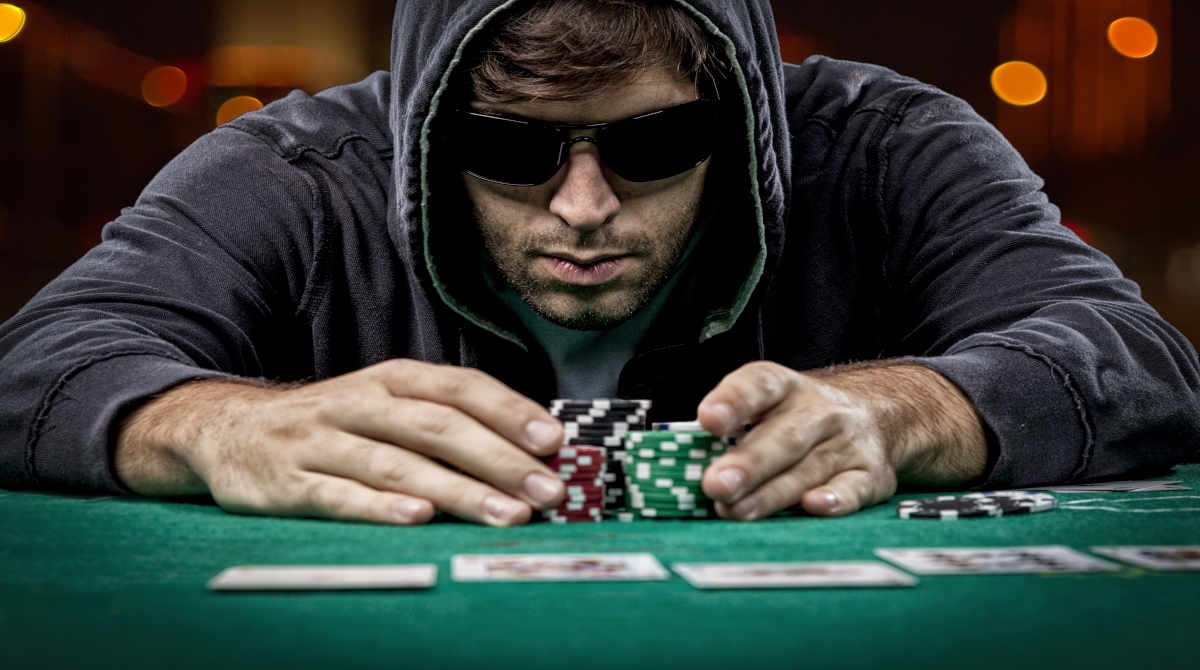
Poker is an emotional game. It is exciting to win big and frustrating to lose by a lucky draw. It is normal to feel this way, but successful players do not let things control their decisions. Managing your emotions is a superpower at the poker table.
When players get angry or frustrated, they go on “tilt.” Tilt is a poker player’s worst enemy. It’s a state of mind where you stop thinking logically and start making aggressive emotional decisions, often resulting in significant losses.
You might begin playing hands you know you should fold or bluffing at the worst possible times because you’re upset about a previous hand.
A successful player feels the same frustration after a bad beat, but they don’t act on it. They know luck is part of the game. They might take a deep breath or step away from the table for a few minutes to clear their head.
As performance psychologists will tell you, emotional regulation is an excellent skill in high-stakes environments. Staying calm allows pros to keep making the best decisions, regardless of the last hand.
Love for Learning and Adapting
Poker is constantly changing. Strategies that worked 10 years ago will get you crushed today. The best players know this and have a love for learning.
They treat poker like a craft they are always trying to master. They are never satisfied with what they already know.
A winning player’s work doesn’t stop when they leave the table. They spend hours studying the game. They review their own hand histories to find mistakes.
They read books, watch training videos, and talk to other players to learn new ideas. They know if they stop learning, other players will pass them by.
This also means being able to adapt. A pro may have a standard strategy, but will change it based on who they play against. If they notice a player who bluffs a lot, they will adapt by calling them down more often.
If another player is very tight, they will adapt by putting more pressure on them. The game is a puzzle, and the best players love solving it.
Patience Is a Virtue (and a Winning Strategy)
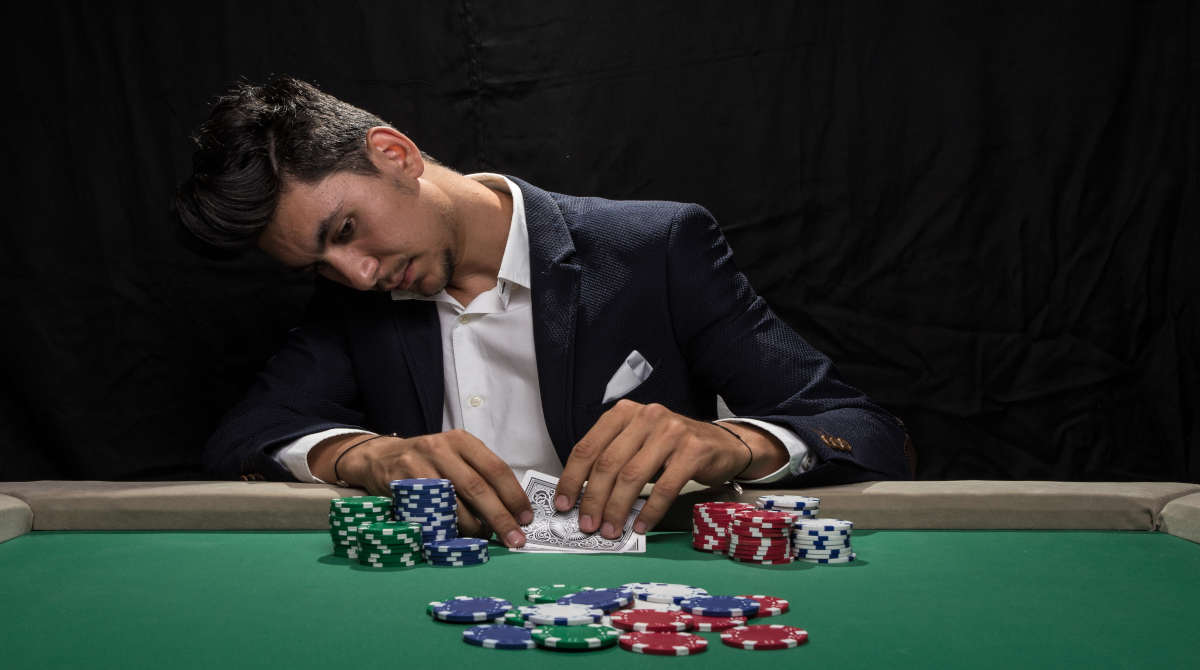
In the movies, poker looks like non-stop action and massive bluffs. In reality, it’s a lot of waiting. Patience is one of a poker player's most underrated but essential qualities. It’s the ability to wait for the right opportunities instead of forcing the action.
Most of the poker hands you are dealt will be junk. A patient player has no problem folding these hands over and over again.
They know playing a weak hand just because they are bored is a quick way to lose money. They are waiting for a strong starting hand or a good situation where they have an advantage over their opponents.
This patience extends to all parts of the game. It means waiting for the right moment to run a big bluff, waiting for a nervous player to make a mistake, and waiting for an impatient player to get frustrated and try to make something happen.
A patient player waits for the right opportunities and then takes advantage of profitable spots. They behave like a patient hunter who waits for the perfect shot instead of scaring away their prey.
Strong Observation Skills
Poker is a game of incomplete information. You can see your own cards, but you never 100% know what your opponents have. The best players close this information gap by being super observant. They are constantly gathering clues to figure out what their opponents have.
A good player is watching everything. They pay attention to betting patterns. How much does an opponent bet when they have a strong hand vs when they are bluffing?
They watch for physical “tells,” which are small changes in body language that might reveal the strength of a player’s hand. Even online they are looking for information, like how quickly an opponent makes a decision.
This isn’t about looking into someone’s soul. It’s about recognizing patterns. The more hands you play against someone, the more you learn about their habits.
So, recognizing patterns is a must for making smart decisions under pressure. By paying attention, a great player can often make a very educated guess about their opponent’s hand, which gives them a huge advantage.
Honing Character on the Road to Successful Poker Playing
Becoming a good poker player is a journey. Building the proper habits and mindset isn’t learning the rules; it’s doing it right.
When you emphasize self-discipline, control over feelings, a passion for learning, patience, and the ability to observe details, you are laying the groundwork for lasting success.
Anyone can develop these qualities to level up from being an average player to a great one, provided they have the willingness.