



When it comes to playing games online, the biggest fear players have is a simple one: Is the game rigged? For decades, players had to blindly trust the operators. However, the rise of blockchain technology has introduced a groundbreaking solution. Today, provably fair casinos are completely changing the landscape by offering fully transparent and verifiable gaming experiences. If you want to know for sure that your bets are safe and the outcomes are truly random, understanding this concept is essential.
-
1
 Bonus $20,000
What Are Provably Fair Casinos? (The Core Concept)

In simple terms, a provably fair system is an algorithm based on blockchain technology that allows players to verify the fairness of every single bet, spin, or card dealt.
Unlike traditional platforms, where you simply have to trust that the software is fair, provably fair crypto casinos give you the mathematical proof. The system uses cryptographic hash functions to ensure that neither the casino nor the player can know the outcome of a game before it starts, and the casino cannot alter the result once the bet is placed.
How Does the Verification Algorithm Work?
If you are wondering how provably fair works, you don't need a degree in computer science to understand the basics. The mechanism relies on three key variables:
- Server Seed: A randomly generated string of text provided by the casino. Before you bet, the casino shows you a hashed (encrypted) version of this seed, guaranteeing they can't change it later.
- Client Seed: A random seed provided by your browser (or one you choose yourself). This ensures that you have a direct influence on the randomization of the game.
- Cryptographic Hash (Nonce): A number that increases by one with every bet you make, keeping track of the hands or spins.
When a round ends, the casino reveals the unencrypted Server Seed. You can then use a third-party verification tool to combine the Server Seed, your Client Seed, and the Nonce. If the resulting outcome matches what happened in the game. In provably fair implementations, card shuffling can be verified so that neither the player nor the operator can predict outcomes in advance.
Blockchain Transparency vs. Traditional RNG
Traditional online casinos use a Random Number Generator (RNG) to determine the outcome of their games. While licensed casinos have their RNGs tested by third-party auditing firms (like eCOGRA), it remains a “black box” system. You cannot verify an individual spin; you just have to trust the auditor.
Provably fair systems remove the need for blind trust. Because the verification happens through cryptographic algorithms that allow players to independently confirm outcomes.
Top Games for Verified Crypto Gambling

The games offered at these innovative sites often differ from the standard slots you see elsewhere. Provably fair bitcoin casinos are famous for their high-RTP (Return to Player), fast-paced arcade-style games. Some of the most popular include:
- Crash: A thrilling game where a multiplier increases until it “crashes”. You must cash out before the crash to win.
- Plinko: Inspired by the classic game show, a ball drops through a pegboard into multiplier slots.
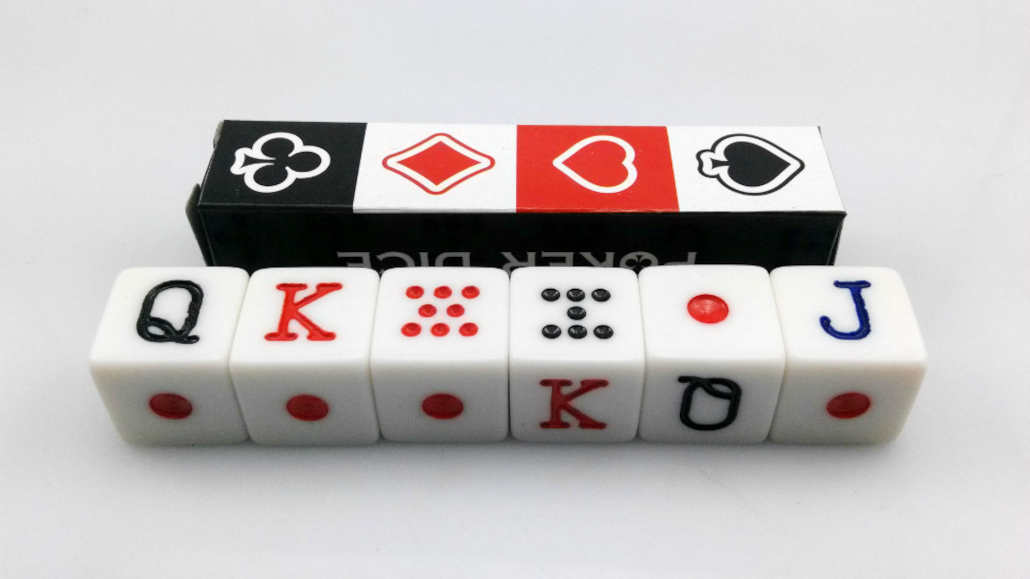
- Dice: A straightforward crypto classic where you bet on whether a random number will roll over or under a specific target.
- Poker: In provably fair implementations, card shuffling can be verified so that neither the player nor the operator can predict outcomes in advance.
Ready to Play? Find the Best Provably Fair Casinos
If you are ready to experience the ultimate transparency in online gambling, finding a reliable platform is your next step. Among the best provably fair casinos and poker rooms, CoinPoker stands out as an absolute top-tier choice, especially for players looking for a combination of provable fairness, strong tournament action, and crypto-friendly features.
Built entirely on blockchain technology, CoinPoker uses a decentralized random number generator to shuffle its cards, ensuring completely provable fairness for every hand dealt. Alongside their massive poker tournaments and cash games, they also offer a fully integrated crypto casino section with fast, secure, and anonymous transactions using USDT, BTC, and their native CHP token.
Frequently Asked Questions