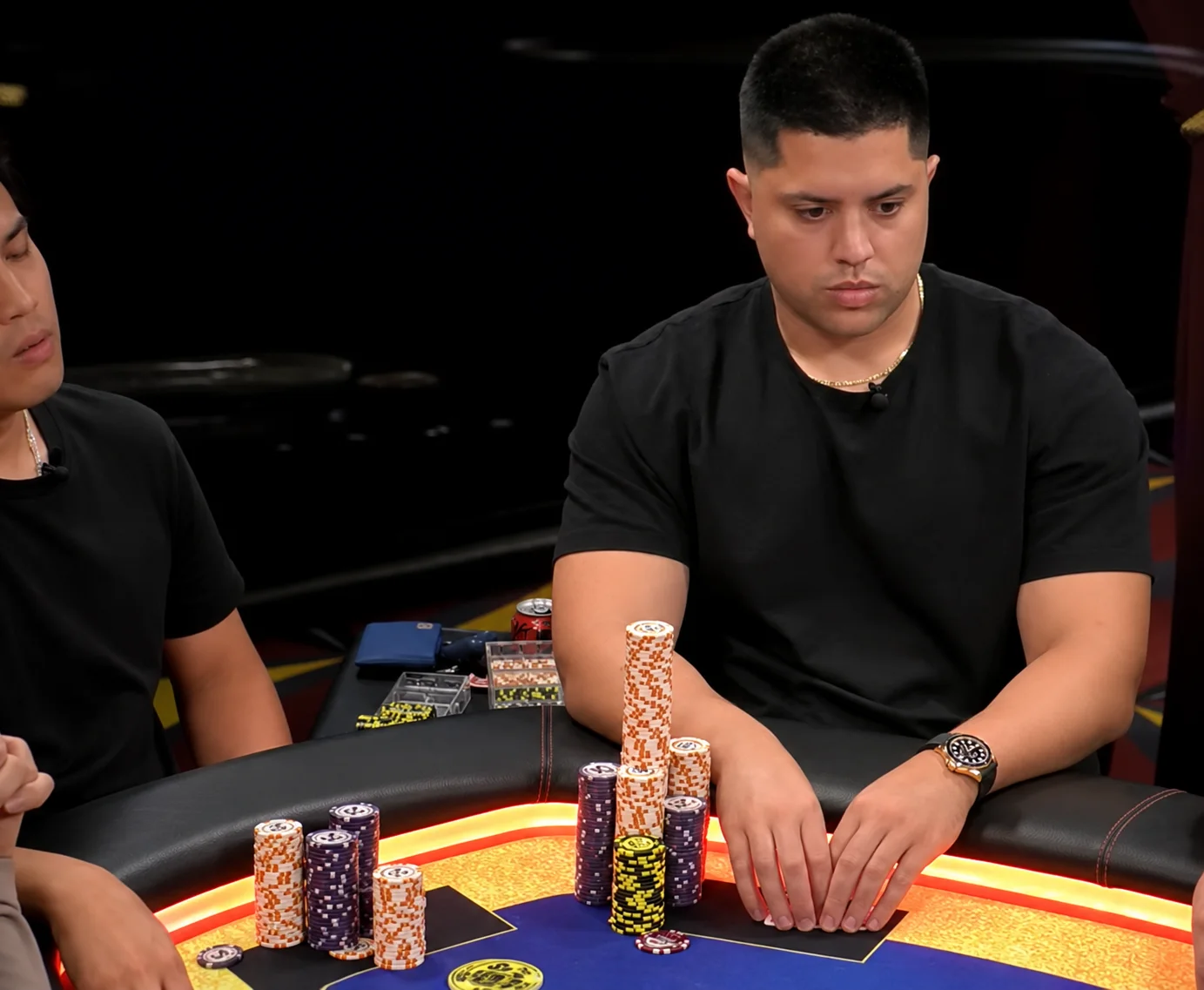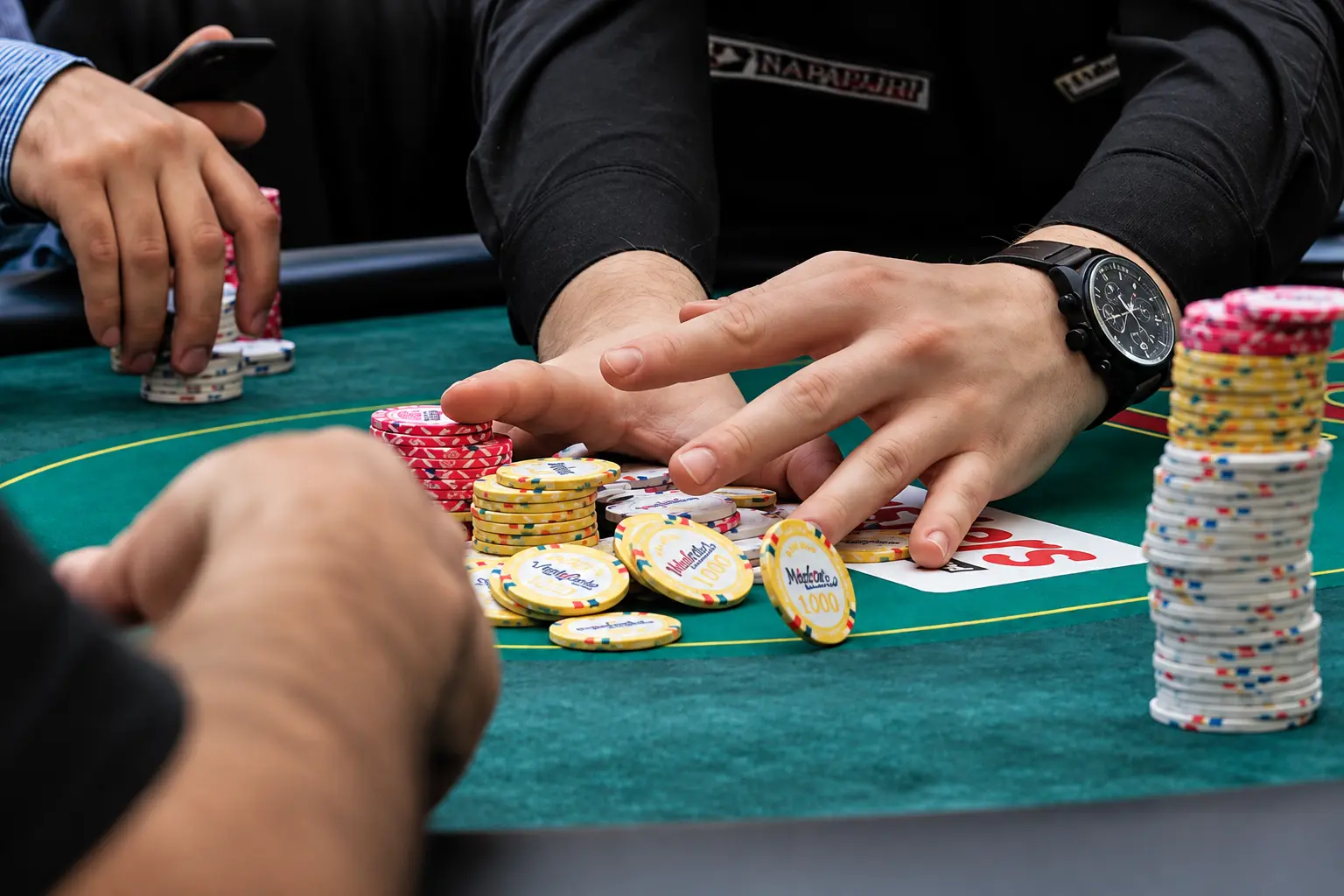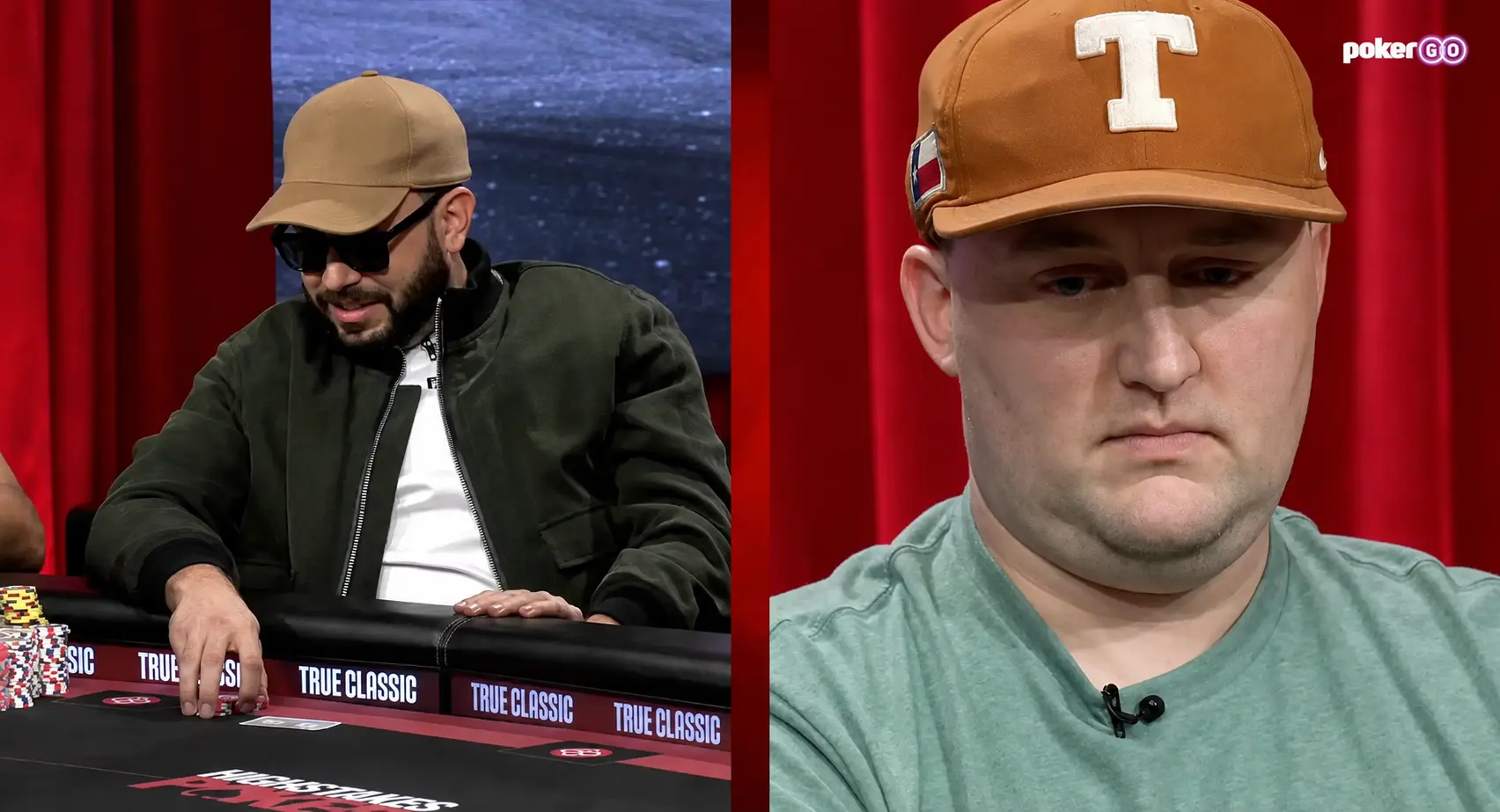


Poker is predominantly a game of skill. Recognizing common behavioral patterns helps players make smarter decisions by reading the tendencies and habits of their opponents, not relying on luck.
Player profiling gives structure to this. It’s a way of understanding opponents through their actions, helping you anticipate moves and avoid costly mistakes.
Spotting Archetypes in Action
Most players fall into a few recognizable styles. The classic examples are Tight Aggressive (TAG), Loose Aggressive (LAG), Nit, and Fish.
A TAG plays few poker hands but bets strongly when they do. LAGs are wild, unpredictable, and often aggressive with weaker hands. Nits fold too often, scared of taking risks, while Fish play without much strategy at all.
Spotting these types in live or online games helps you adjust your approach. You’ll know when to hold back, when to push, and when it’s safer to step away. Over time, these observations sharpen your instincts and refine your play style.
One overlooked factor is geography. Different regions often favor different styles of play. Recognizing this helps when switching between player pools, whether live or online.
For example, recognizing patterns common to Australian players gives an extra edge when playing poker online. This brings us to Ignition poker for Australia, a platform where understanding these global tendencies translates into better decisions at the tables.
When you join a platform like Ignition poker, you need to know what demographics you’re likely to be up against.
Recognizing Player Types for Smarter Play
If you’re looking to build your knowledge further, it helps to study resources dedicated to identifying player archetypes. One great example is this breakdown of types of online poker players.
It outlines the differences between casual players, grinders, and those in between, offering a clear guide on what behaviors to expect.
By understanding these distinctions, you can better gauge how someone is likely to react in common poker situations — calling, bluffing, slow playing, or folding under pressure. This knowledge isn’t just useful for experts. Even casual players benefit from being able to adapt their strategy in real time.
Why It Matters in the Long Run
Good player profiling isn’t about memorizing categories. It’s about knowing how to adjust your own play dynamically. A Nit who never bluffs? You might safely fold a marginal hand. A LAG on tilt? You might trap them with a strong hand. The more you practice this awareness, the less you rely on guesswork.
At higher stakes, these adjustments become second nature. For newer players, making small changes based on opponent behavior leads to better decisions over time. The skill compounds. Soon enough, you’re not reacting — you’re predicting.
This approach aligns with responsible gaming habits, too. Being aware of patterns and adjusting your style ensures you manage your sessions with intent rather than emotion. You’re less likely to chase losses or make reckless plays when you’re focused on learning and adapting.
Bringing It Together
Profiling isn’t static. Players change their behavior, and so must you. That’s why consistency in observation is key. Over time, recognizing familiar patterns helps you stay one step ahead. While luck always plays a part in poker, consistency comes from understanding people, not just probabilities.
Here’s a simple comparison table to help frame the core differences between common player types. This can act as a mental shortcut during your sessions.
| Player Type | Typical Traits | Best Response |
| TAG | Selective, aggressive | Respect raises, trap bluffs |
| LAG | Loose, aggressive | Be patient, catch them out |
| Nit | Overly cautious | Steal blinds, pressure them |
| Fish | Unpredictable, passive | Value bet strong hands |
Understanding these categories isn’t about labelling people. It’s about recognizing how behavior drives decisions. Poker, after all, is a people game.
How Table Dynamics Shift Over Time
One common mistake new players make is assuming that someone’s behavior stays consistent throughout an entire session. While some players stick to their natural tendencies, others adapt — consciously or not — based on wins, losses, or even mood.
A LAG player may tighten up after a big loss. A Nit might suddenly become reckless after getting frustrated. Understanding this natural evolution helps refine your profiling. Stay observant, not just of hands, but of emotional shifts and changing dynamics.
The longer you play with someone, the more data you gather. Take mental notes. Notice if a player becomes more passive after losing a big hand or if they start overplaying after a lucky win.
Recognizing these shifts lets you adjust your approach on the fly, preventing mistakes and optimizing your chances in the long run. This awareness separates skilled players from those who rely solely on static strategies.
Building Long-Term Discipline Through Player Profiling
One underrated benefit of learning player profiling is how it strengthens your overall discipline. Poker rewards patience and observation.
By training yourself to focus less on short-term results and more on long-term tendencies, you reinforce key habits like bankroll management, strategic flexibility, and emotional control.
Player profiling sharpens your judgment, not just in poker but in other areas where pattern recognition matters. Over time, this disciplined mindset becomes part of your play style. Instead of reacting impulsively, you’re making informed decisions rooted in experience.
This is a cornerstone of any successful poker journey — one built on knowledge, consistency, and adaptability.