
For most people, poker is simply a fun pastime. They engage in the game to socialize with friends and perhaps win some money along the way. However, players who have truly tapped into the essence of the game know a deeper truth. Much of the knowledge you pick up at the tables can smoothly transition from poker to real life.
Just like in Texas Hold'em, mastering certain mental skills in your daily life will enable you to enjoy massive success over time. With that in mind, here are the top five lessons we can draw from poker and apply directly to our everyday lives.

1. Proper Bankroll Management Equals Financial Responsibility
Poker players who want to survive in the long run must have a strict bankroll management plan. If you don’t set precise parameters to track and manage the money you play with, you will lose more money than you win.
When you have accurate data on how much you can afford to lose, you can comfortably find the right stakes. This protects you from ruin if you encounter a nasty losing streak. Practicing this discipline is much easier when you choose the right platform. By playing at our recommended online poker rooms, you can easily find games that fit your exact budget.
This exact concept translates beautifully to personal finance. Learning how to manage your daily budget and track your expenses allows you to enjoy life without crippling financial stress. Proper money management directly improves your overall quality of life, both on and off the felt.
2. Don’t Let “Tilt” Guide Your Decisions
None of us are immune to making decisions based on raw emotions. Regardless of how bad an idea might objectively seem, we sometimes let anger or frustration take over. In poker, playing emotionally is called going on “tilt“, and it is the single most detrimental thing you can do to your win rate.
Poker is a highly strategic game. Every conclusion must come from a logical, mathematical standpoint. You need to use the available information and adapt your strategy to maximize your winning.
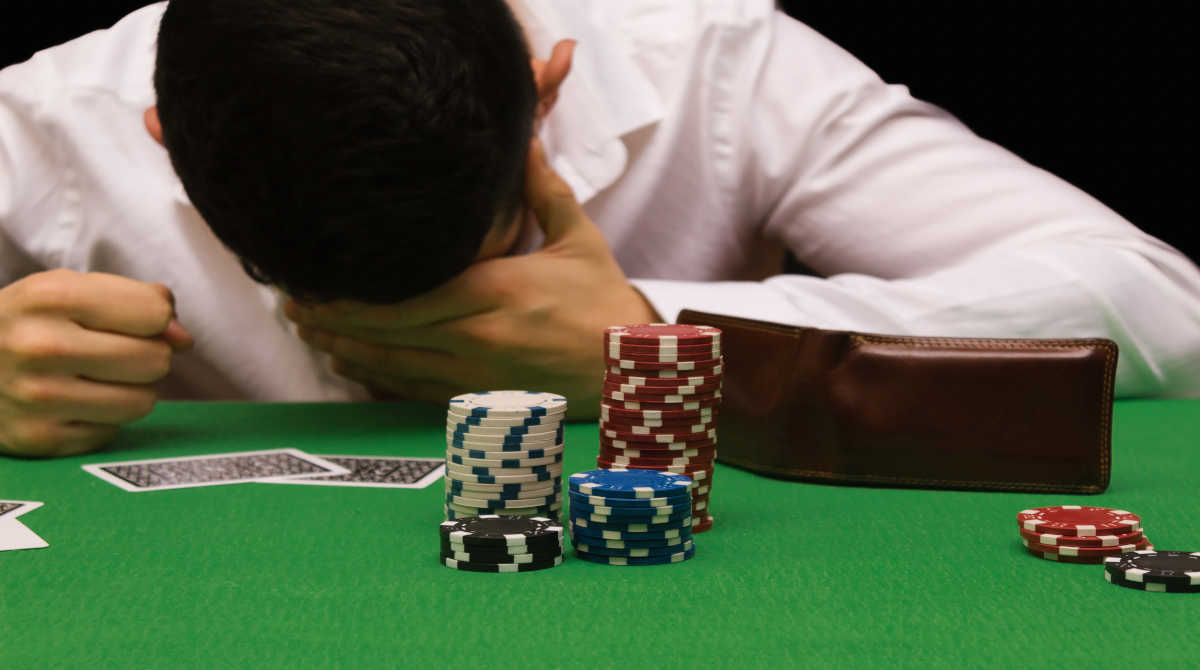
Avoiding emotional decisions is infinitely more difficult off the felt. However, successfully carrying this mental discipline from poker to real life is absolutely essential. You must ensure that your critical life choices stem from rational thinking rather than temporary feelings.
3. Understand Variance: It’s Impossible To Win Every Time
Even the best poker players in history cannot win every single game they play. Sure, you can study hard, improve your skills, and make the mathematically correct choice every time.
However, luck (variance) still plays a massive role. No matter how certain you are of an outcome, unpredictability always exists. You might hold a 95% winning chance on the turn, but a lucky river card can still destroy your hand.
The exact same rule applies in life. No matter how perfectly you plan, there is no accounting for random chance and happenstance. There is no point in lamenting your bad beats. Focus entirely on your actions and your decision-making process, not just the outcome. Accept your temporary losses, learn from them, and move forward.
4. Adaptability is Your Most Valuable Skill
Professional poker players deeply understand that poker is a long game. Even a complete beginner can get lucky and win a couple of hands against a seasoned professional in the short run.
What truly separates the amateur from the pro? The experienced player will constantly adapt. A skilled player processes new information, observes betting patterns, and changes their strategy to regain control.
If you want to successfully map strategies from poker to real life, you must view your personal journey through this exact same lens. A couple of unexpected setbacks might make you feel defeated today. But if you remain flexible and adapt to whatever life throws at you, you will always make the best of every situation in the long run.
5. Patience is a Virtue (Learn to Fold)
Patience is arguably the most important foundational skill for every poker player. The harsh reality of poker is that you must fold the vast majority of your starting hands right away.
Many beginner players completely disregard this rule. They get bored and play far more hands than they should. Instead of waiting patiently for a profitable opportunity, they throw their money away on marginal hands.
This same impatience is highly detrimental in life. Most of us strongly desire instant gratification. However, by rushing into things and seeking immediate results, we often ruin the big picture. Whether in your career, relationships, or investments, waiting for the right opportunity is often the most profitable move you can make.
Frequently Asked Questions: Poker to Real Life