



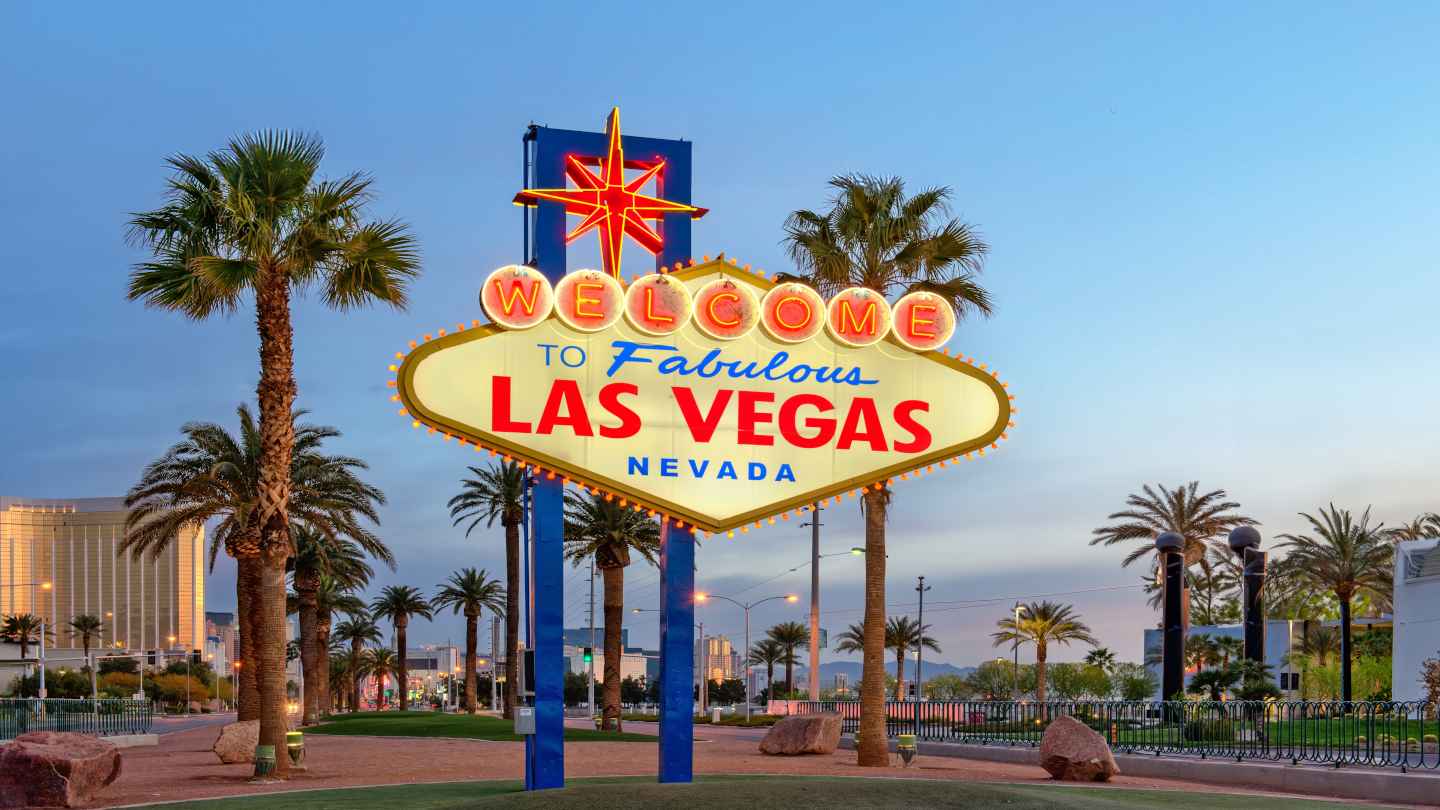
For decades, Las Vegas has been the unofficial gambling capital of the world. And while online gambling is certainly presenting great competition for Vegas with some of the best casino bonus deals you can find, Sin City is still the most famous gambling city worldwide and a bucket-list desire of every fan of gambling.
But, do you know how Vegas became such a popular gambling destination? In this concise article, we’ll walk you through the history of Las Vegas to bring to light the city’s turbulent and exciting past.
-
1
 Bonus $1,600
 -
2
 Bonus Free $25 SC
 -
3
 Bonus £200+100 FSApplies only to new depositing players. 18+. Minimum deposit: £10. 35x Wagering requirement applies to match up bonus. Spins credited in specific games. Spins expire after 24 hours. Wagering requirement applies to spins. Terms and Conditions apply.
T&C Apply
-
4
 Bonus $20,000
Early Beginnings
Las Vegas was founded in 1905 as a small outpost in the very underdeveloped Wild West. The city was sparsely populated during its early years and only numbered a few hundred citizens. These were mostly local miners with their families.
Just a year later, the first casino opened in Las Vegas. This was the Golden Gate Hotel and Casino. However, the casino didn’t enjoy a long run, as a nationwide ban on gambling was pronounced in 1910.
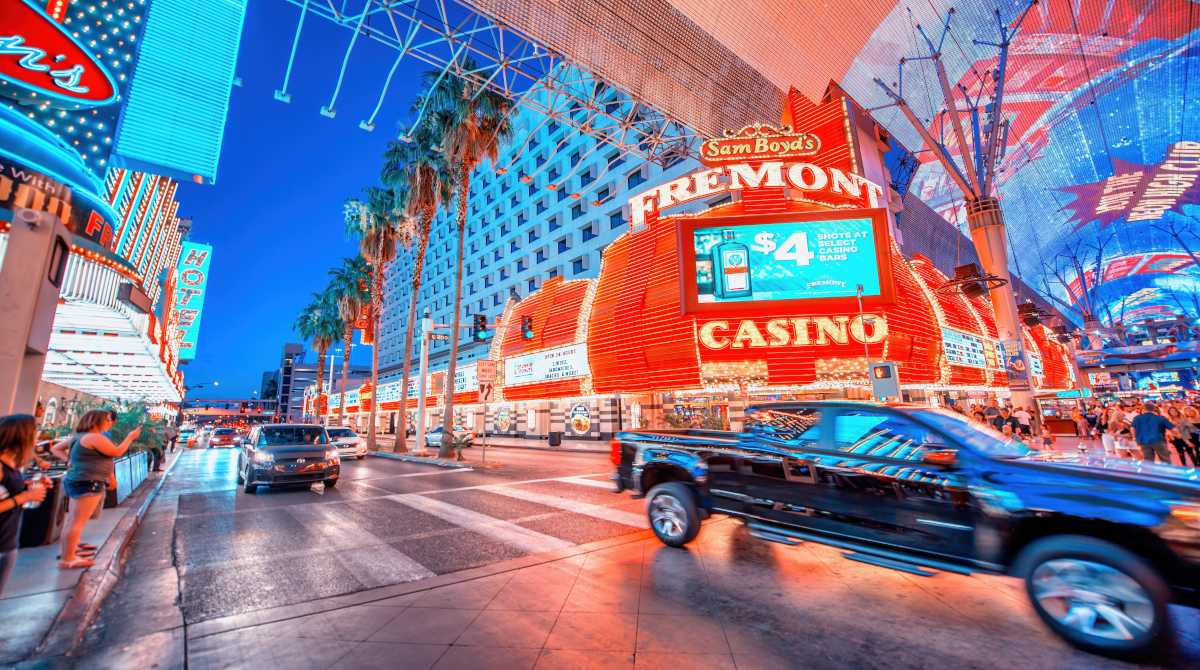
This ban lasted until the very last days of The Prohibition. In 1931, Las Vegas received its first gambling license issued to the famous Northern Club. Soon after, several other casinos on the now-iconic Fremont Street received their licenses.
The 1930s marked Las Vegas’ establishment as a popular gambling city. And although this was still in its early stages, the trend continued, and Vegas grew exponentially with each passing year.
The Postwar Boom
After World War II ended and life started returning back to normal, Las Vegas emerged as the go-to tourist destination in the US. During the first few postwar years, the Las Vegas Strip started taking primacy over Fremont Street.
Less than a decade into the postwar boom, Las Vegas started recording over 8 million visitors each year, with its casinos collecting more than $200 million. Although most people still came primarily to gamble, it was far from the only attraction. People could also enjoy live shows from superstars like Frank Sinatra, Dean Martin, Liberace, and others.
By the end of the 1950s, a little more than two decades after gambling returned to Vegas, the city was unrecognizable. It became a gathering point for the world’s biggest celebrities and a dream destination for every hard-working American.
These years also marked an intensification of relations between casinos and the mafia. Criminal organizations had a stranglehold on the city. In response, the government put in extraordinary measures to prevent and stop the criminal operations in the city.
The Commercialization of Vegas
During the 1960s, Las Vegas experienced a sharp turn towards a direction we mostly recognize today. The businessman and philanthropist Howard Hughes bought several casinos in the city to create mega-casinos that incorporate various resort elements.
Many historians credit Howard Hughes for being directly responsible for changing the city’s landscape and transforming it into a modern gambling metropolis. During the 60s and the 70s, Las Vegas became the epitome of glitz and glamour.
In 1966 and 1968 respectively, two now-iconic casinos called Caesar’s Palace and Circus Circus opened. The height of this fascinating era came when Elvis returned to Vegas in 1969. He stayed for seven years and performed a whopping 636 shows, each sold out.
The Light Begins to Fade
After several decades of unprecedented success, Vegas started showing its age by the 1980s. In a decade marked by economic turmoil and without any significant progress, the city started struggling.
The legendary performers were past their prime, and the casinos were aging. The entire city became a big tourist trap where unsuspecting visitors would go to eat bad food in cheap restaurants and gamble away their savings.
The First Signals of New Vegas
After the slump of the 1980s, Las Vegas overcame the struggles and met the worry-free 90s with some big changes. The old and worn-out Fremont Street received a makeover. It became a part of the Fremont Street Experience, a massive pedestrian mall featuring various attractions across five blocks.
Opened in 1998, The Bellagio signaled the city’s newfound focus on luxury above all else. In the following years, new exotic resorts and Michelin-starred restaurants started opening. The city continued growing and introducing new attractions.
Understanding everything that this exciting city went through and knowing the many thrilling additions planned for Las Vegas in the following decades, we can safely say that Sin City will undoubtedly have a future interesting enough to match its past.