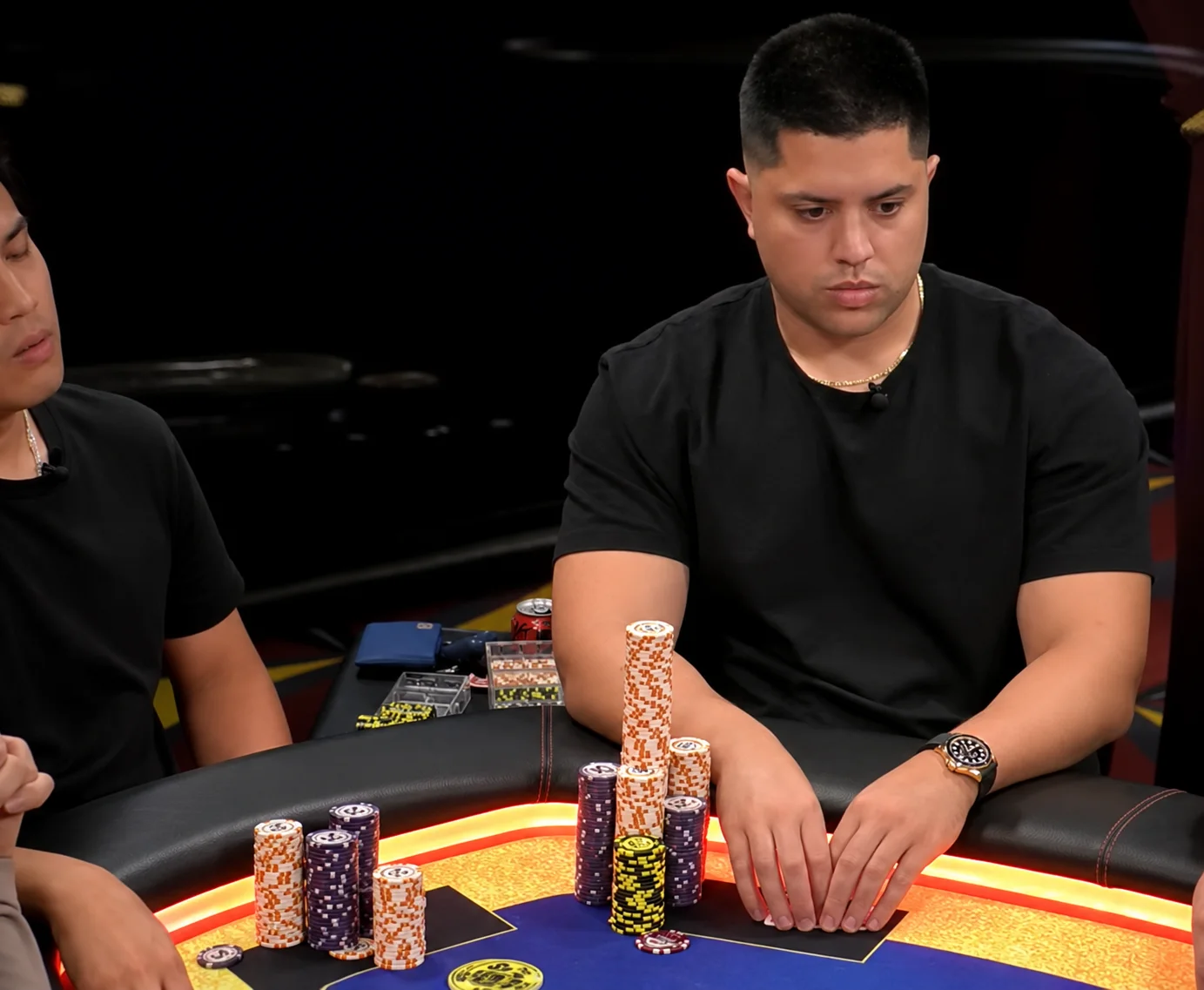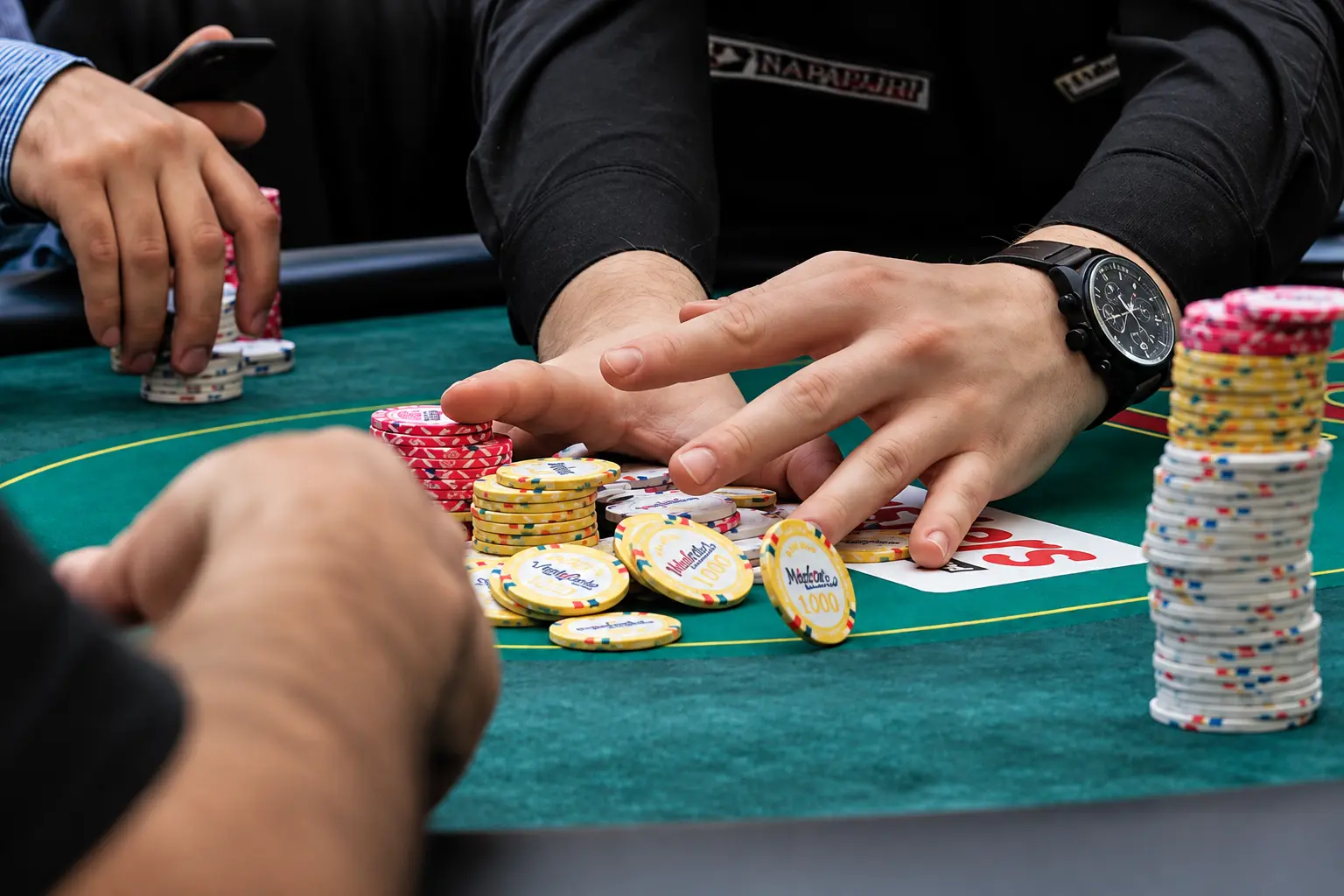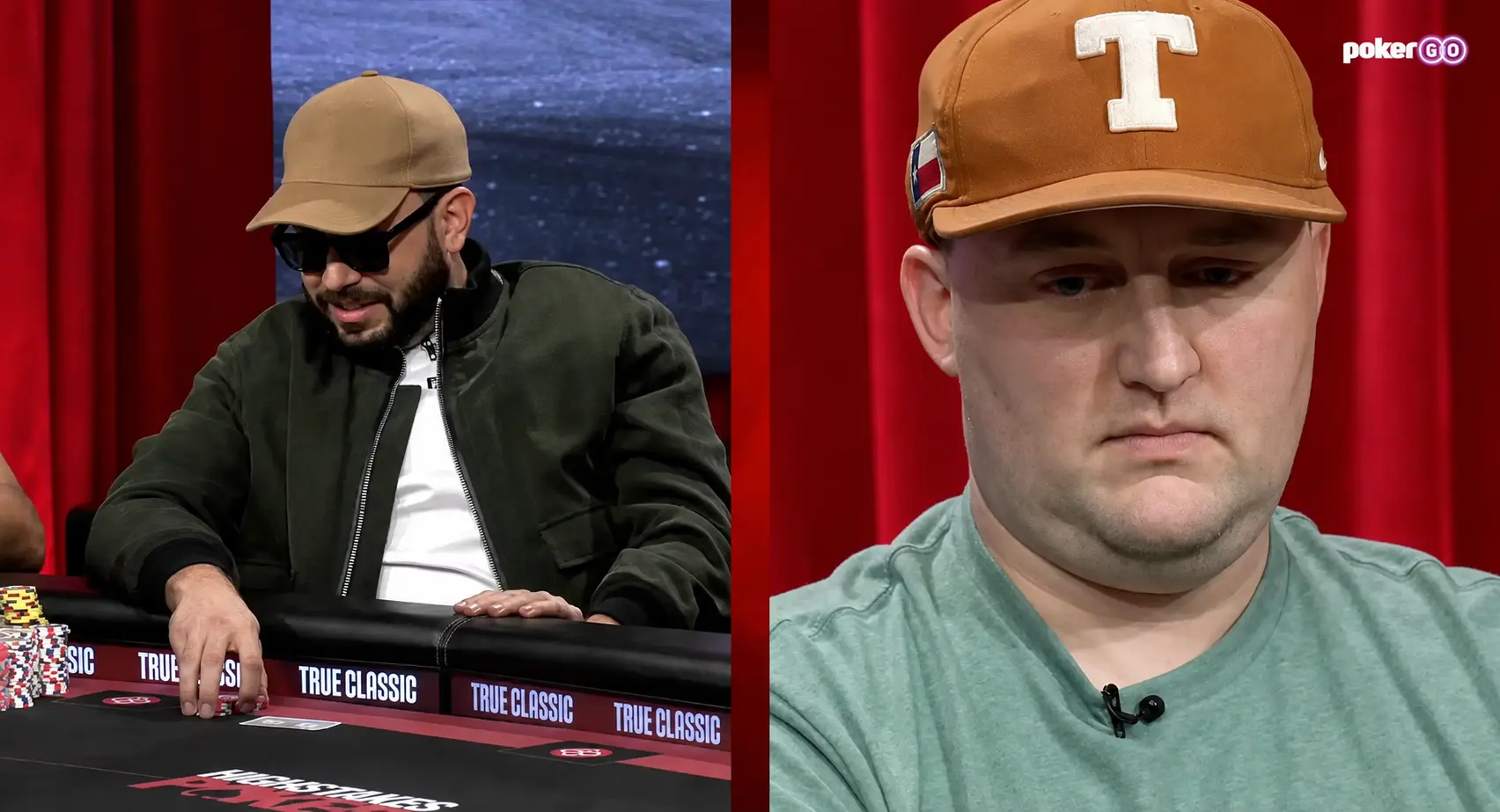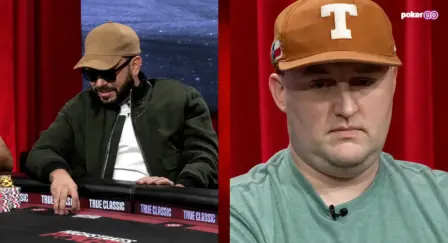

Poker tells are often seen as one of the biggest edges in live poker. Many players believe that by observing physical reactions, timing, or speech patterns, they can uncover exactly what their opponent is holding.
But how reliable are these signals in reality?
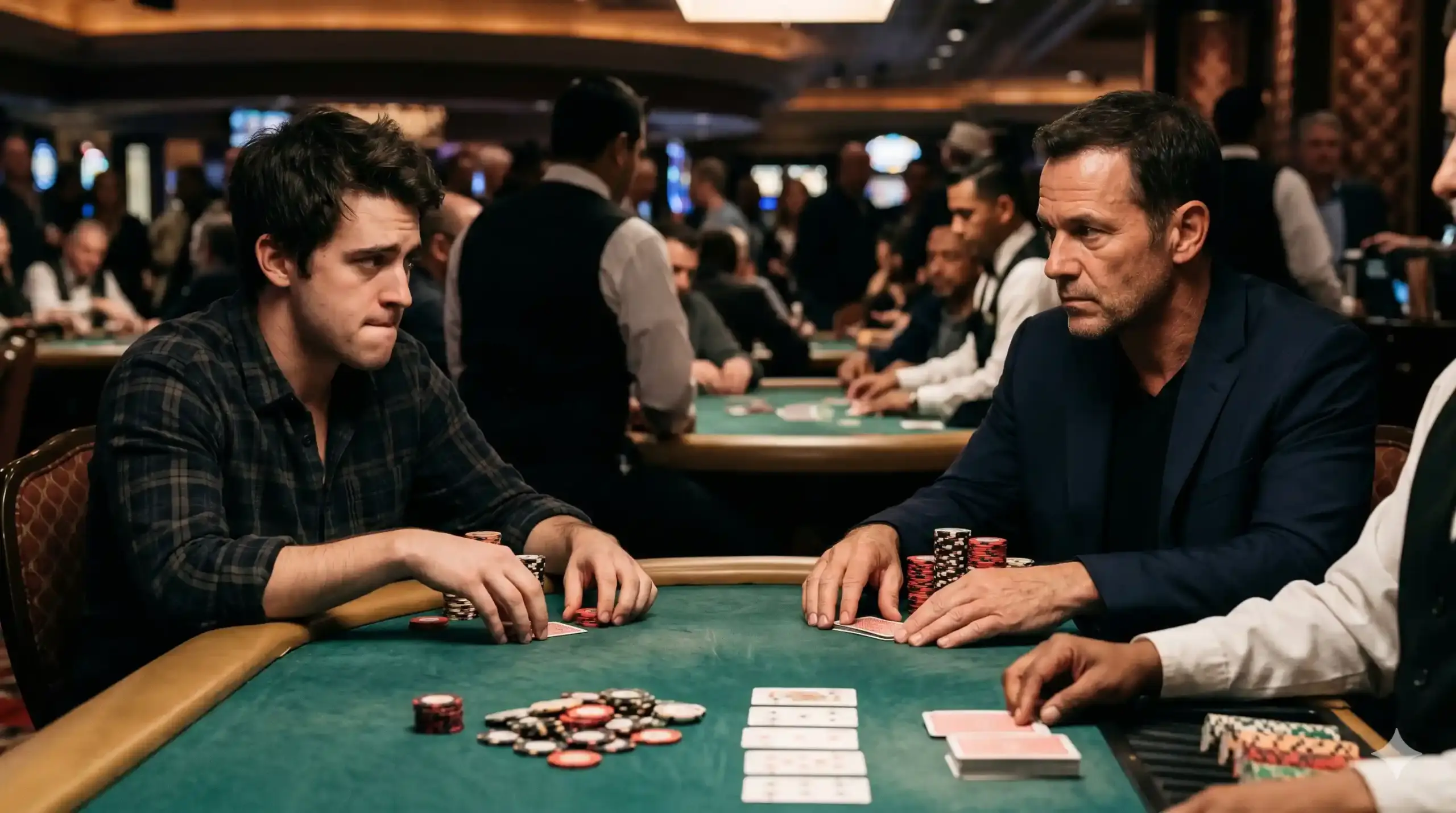
Imagine sitting in a high-stakes cash game. The pot is already large, the river card hits the table, and your opponent suddenly starts talking. He shifts in his chair, avoids eye contact, and says something like, “I guess you got it”.
At first glance, it feels obvious. It looks like weakness. It sounds like uncertainty.
And yet, this is exactly where many players go wrong.
What feels like a clear read is often just a story we create in our own minds. Instead of analyzing the full situation, we latch onto a single behavior and assign it a meaning – usually the meaning we want to see.
In live poker, information is everywhere. Every movement, every hesitation, every word can seem significant. But not all poker tells are real, and even when they are, they are often misunderstood.
At the same time, it’s impossible to ignore the fact that strong live players consistently pick up on subtle details and use them to their advantage.
So the real question isn’t whether poker tells exist.
It’s how to interpret them correctly and when to ignore them entirely.
In this article, we’ll break down the most common poker tells, explain how they actually work in live poker games, and show why most players misread them.
What Are Live Poker Tells?
Poker tells are observable behaviors that provide insight into an opponent’s hand strength or intentions. These can be physical, verbal, or timing-related, and they appear most clearly in live poker, where players are constantly interacting with each other.
Common examples include changes in posture, eye contact, chip handling, speech patterns, or the speed of a decision. At first glance, these signals may seem like direct clues to strength or weakness.
In reality, tells are rarely that simple.
A single action, taken out of context, usually means very little. A player acting nervously does not automatically mean they are bluffing, just as confidence does not always indicate strength. Without understanding how a player normally behaves, it’s almost impossible to interpret these signals correctly.
That’s why experienced players don’t look for isolated tells, they look for patterns. They pay attention to how someone behaves over time, and more importantly, when that behavior changes.
In other words, a poker tell is not just what a player does.
It’s how that action fits into the bigger picture.
Does Reading Poker Tells Actually Work?
Reading poker tells does work, but not in the way most players expect.
The common belief is that tells are clear, almost mechanical signals. A player looks nervous, so they must be bluffing. A player looks confident, so they must be strong. This kind of thinking is appealing because it feels simple and decisive.
The reality is far more nuanced.
At the highest levels of the game, live reads are not about spotting obvious physical reactions. They are about picking up small inconsistencies and understanding how they relate to the situation.
Example: Phil Ivey's Famous Bluff Against Paul Jackson
A much more realistic example of live reading comes from a famous hand between Phil Ivey and Paul Jackson at the Monte Carlo Millions.
This was a heads-up situation, and the action escalated quickly.
– Phil Ivey: Q♥8♥
– Paul Jackson: 6♠5♦
Ivey Isolated preflop, and Jackson called.
The flop came: 7♣ J♣ J♥
Ivey continued with a c-bet. Jackson responded with a raise.
From here, things got wild:
– Ivey 3-bet (re-raise)
– Jackson 4-bet
– Ivey 5-bet
– Jackson 6-bet
At this point, both players were essentially representing extremely strong ranges, despite the fact that neither of them had a real hand. Both were working with weak backdoor equity at best.
And this is where the key moment happened. Before making his final decision, Ivey asked:
“How much do you have left?”
He wasn't asking for information, he was observing the response.
According to Ivey himself (as he later explained in his MasterClass intro), Jackson's answer, tone, hesitation, and lack of conviction gave him the certainty he needed.
Ivey moved all-in, and Jackson folded.
Why This Hand Matters
This hand perfectly illustrates why most players misunderstand poker tells.
There was:
- no obvious physical reaction
- no classic “nervous bluff” signal
- no dramatic Hollywood moment
Instead, the entire decision came down to a subtle behavioral cue layered on top of aggressive betting dynamics.
Ivey didn’t rely on a single tell.
He combined:
- the betting pattern (extreme aggression)
- the situation (heads-up leveling war)
- and a small inconsistency in Jackson’s response
That combination was enough to pull the trigger on a massive bluff.
This is what real-life reading looks like.
It’s not about spotting obvious signals, it’s about context.
Players like Daniel Negreanu are known for talking through hands and narrowing opponents down to very specific ranges. What often looks like a “magic trick” is actually a combination of observation, logic, and accumulated experience.
Even Phil Hellmuth, whose style is far from GTO-based, has built much of his success on exploiting opponents in live environments.
So yes, poker tells do work.
But only when they are used as part of a bigger decision-making process, not as standalone signals.
How to Read Live Poker Tells (The Right Way)
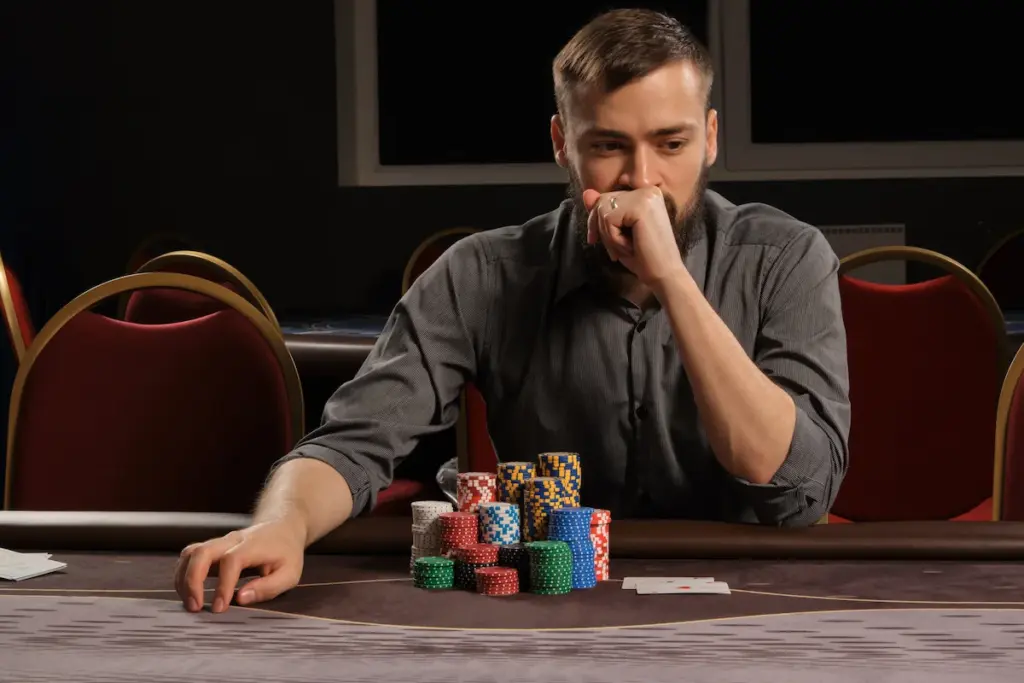
Understanding behavior in live games is not about spotting one specific signal; it’s about building a complete picture over time.
Most players make the same mistake: they see a single reaction and immediately attach meaning to it.
“He looks uncomfortable, so he must be bluffing”.
In reality, that kind of thinking is unreliable.
Strong live poker players approach this very differently. Instead of focusing on isolated actions, they rely on three key elements: baseline, deviation, and context.
- Baseline – How does this player normally behave in similar situations?
- Deviation – What is different this time?
- Context – Does the situation actually support the conclusion?
Without a baseline, even the most obvious-looking signal can be misleading. A player who appears nervous might simply behave that way all the time. Another player might act relaxed while holding a very strong hand.
This is where experience becomes critical.
Players like Daniel Negreanu don’t rely on a single moment; they build a narrative over the entire hand. They combine betting patterns, timing, and interaction to narrow down possibilities step by step.
What makes this approach effective is not the observation itself, but the interpretation. The same behavior can mean completely different things depending on the opponent and the situation.
Another important factor is consistency. A single action rarely gives enough information, but repeated patterns often do. When a player behaves differently than expected in a key moment, that’s where valuable information appears.
In practice, this means shifting your focus:
- from guessing → to observing
- from reacting → to understanding
- from single actions → to patterns
The goal is not to “find poker tells”, but to make better decisions by combining all available information.
Top 5 Common Live Poker Tells
Understanding common poker tells is not about spotting a single dramatic moment; it’s about recognizing patterns that recur across different situations. Many of these signals seem obvious at first, but their real meaning is often more complex than players expect.
Below are five of the most important live poker tells you’ll encounter, along with how to interpret them correctly.
1. Timing Tells
Timing is one of the first things players notice – and one of the easiest to misinterpret.
A quick decision is often seen as a weakness, while a long pause is assumed to represent strength. In reality, both can mean very different things depending on the player.
Recreational players who act quickly are often doing so without much thought, which can indicate a marginal hand. More experienced players, however, are capable of balancing their timing, acting quickly with strong hands or deliberately pausing with weaker ones.
What really matters is consistency. A sudden change in timing, especially in a high-pressure situation, is often more meaningful than the action itself.
Reality check:
Most recreational players are not balancing their timing. Fast decisions often indicate weaker or marginal hands, while longer tanks are more frequently associated with strength or a tough bluff.
When it matters most:
Timing is most valuable in big pots and on later streets, especially on the river, where decisions carry the highest pressure.
Key takeaway:
Don’t focus on how long it takes, focus on whether that timing is different from what you’ve seen before.
2. Betting Patterns
If there is one area where players consistently reveal information, it’s through their betting.
Unlike physical reactions, betting patterns are directly tied to decision-making. They reflect how a player constructs their range and how comfortable they feel in a given spot.
Unusually large bets often indicate a polarized range, while smaller bets can suggest control, blocking, or uncertainty.
The real value comes from consistency. When a player uses similar sizing in similar situations, you can form expectations. When they suddenly deviate from that pattern, it often signals a shift in hand strength or intent.
Reality check:
Betting patterns are almost always more reliable than physical tells because they are directly connected to strategic decisions.
When it matters most:
Bet sizing deviations are especially important on the turn and river, where ranges become more defined.
Key takeaway:
If betting and behavior tell different stories, trust the betting.
3. Physical Reactions
Physical behavior is what most people associate with poker tells, but it’s also where the most mistakes happen.
Shaking hands, heavy breathing, or rigid posture are commonly interpreted as signs of nervousness and, therefore, weakness. In reality, strong hands often trigger stronger physical reactions.
Players tend to experience more adrenaline when they have a big hand. What looks like discomfort can actually be excitement.
At the same time, experienced players may appear completely relaxed while bluffing, because they have practiced controlling their reactions.
Reality check:
Strong hands often create stronger physical reactions than bluffs.
When it matters most:
Physical tells are most reliable in big pots, against inexperienced players, and in high-pressure moments.
Key takeaway:
Never interpret physical behavior without context.
4. Verbal Tells
Speech can be one of the most revealing elements during a hand, especially when players talk through decisions.
Comments like “I guess you got it” or “I don’t think I can call” are rarely neutral. They often reflect internal conflict rather than genuine information.
Some players talk when they are uncomfortable. Others talk when they are strong and trying to appear weak. The meaning depends heavily on the individual. Listening carefully to tone, timing, and confidence level is often more important than the actual words.
Reality check:
Most players do not lie well under pressure, but they also don’t tell the truth directly.
When it matters most:
Verbal tells are most useful in heads-up pots and during river decisions.
Key takeaway:
Focus on how something is said, not just what is said.
5. Emotional Shifts
One of the most overlooked aspects of live play is emotional state.
A player who just lost a big pot is not the same player they were a few minutes earlier. Frustration, confidence, and momentum all influence decision-making in ways that are often subtle but impactful.
For example, a tilted player may:
- bluff more frequently
- call more loosely
- take unnecessary risks
On the other hand, a player who just won a large pot might play more confidently – or more carelessly.
These shifts are not always obvious, but they have a major impact on behavior.
Reality check:
Emotional state often affects decisions more than logic.
When it matters most:
After big pots, bad beats, or long losing/winning streaks.
Key takeaway:
Track emotional changes, not just actions.
How to Actually Use Poker Tells at the Table
If you remember only one thing, remember this:
Never make a decision based on a single tell. Instead, follow a simple process.
Start with strategy. Think about ranges, position, and board texture first. Then look for deviations from normal behavior. Finally, use tells as confirmation, not as the main reason for your decision.
The best players don't hunt for tells.
They use them to refine decisions that are already close.
In online poker, physical tells are removed entirely, which makes timing and betting patterns even more important. If you want to apply these concepts in practice, you can try them out on trusted online poker platforms where you’ll face a wide range of player types and decision spots.
Why Most Players Misread Live Poker Tells
Many players believe they understand poker tells, but in reality, they are often misinterpreting what they see.
Instead of observing objectively, they look for confirmation. A player appears nervous, and it is immediately labeled as a weakness. A pause is seen as uncertainty. In most cases, the conclusion comes first, and the behavior is used to justify it afterward.
This is where many mistakes around common poker tells begin.
Confirmation Bias and Overinterpretation
Once a player forms an initial belief, it becomes easy to notice only the details that support it. This is known as confirmation bias, and it plays a major role in incorrect reads.
At the same time, players tend to overinterpret random behavior. Not every movement or reaction has meaning. People adjust their posture, handle chips differently, or speak out of habit. Treating every small action as a signal quickly leads to false conclusions.
This is why poker tells, explained in a simplified way, can often be misleading. Without context, even the most familiar patterns can point in the wrong direction.
The key difference is not whether you notice behavior, but how you interpret it.
Live Poker Tells vs Strategy (GTO vs Exploit)
One of the most common questions players ask is how live poker reads fit into modern poker strategy, especially in a game increasingly influenced by GTO principles.
At a theoretical level, GTO does not rely on physical or behavioral information. It assumes balanced ranges and optimal play based solely on the game's structure. In that sense, reads are not part of the model.
But live poker is not played in a vacuum.
In real games, opponents are not perfectly balanced. They have tendencies, emotional reactions, and patterns that deviate from theory. This is where exploitative play becomes more relevant.
Live poker tells can serve as an additional layer of information to help identify those deviations.
For example, if a situation is close in theory, but an opponent’s behavior strongly suggests weakness or strength, adjusting your decision can be justified. The key is not to abandon solid fundamentals, but to refine them based on real-world information.
The strongest players don’t choose between theory and observation.
They combine both.
Strategy provides the foundation, while live information helps make more precise decisions in practice.
Final Thoughts
Poker tells can give you an edge, but only if you use them correctly. Most players overvalue physical reactions, ignore betting patterns, and jump to conclusions too quickly.
The real edge comes from combining solid strategy with observation and discipline. If you can do that, the tells stop being guesswork and start becoming a real advantage at the table.
FAQ – Live Poker Tells Explained