
Whether you have been playing poker casually or are a professional player, you have experienced a poker downswing at some point.
Poker is a numbers game and one where equities often run close. For that reason, variance is a natural element of the game, and the downswings that it brings are just as natural. For most beginners, downswings in Texas Hold’em can be mentally exhausting, as they are hard to accept without a strong understanding of the game.
If you want to be a great poker player, you will need to learn how to handle poker downswings, and this article is designed to help you with that. I am going to talk about what a downswing is, how to deal with tilt, how to manage your bankroll, and what your options are when going through a rough patch.
The one thing I can promise is that if you take my advice, your game and your bankroll will thank you. But before we can talk about handling them, let’s talk about what downswings are and why they occur.
What is a Poker Downswing?
No matter who you are, you have surely had a losing poker session. If you have played a bit of poker, you’ve probably even had a few consecutive losing ones.
Losing sessions are a part of the game, regardless of how good you are or how bad the players you play with are. In fact, we have all seen top pros lose on live TV. So why is this the case? Shouldn’t the better player always win?
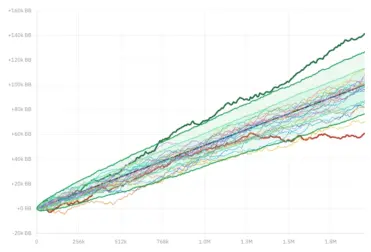
The reason for good players losing is the fact that there are very few scenarios in poker in which anyone has 100% equity in a hand. The best players thrive on exploiting even the thinnest of edges. When you play a game where the edges are slight, variance is bound to kick in.
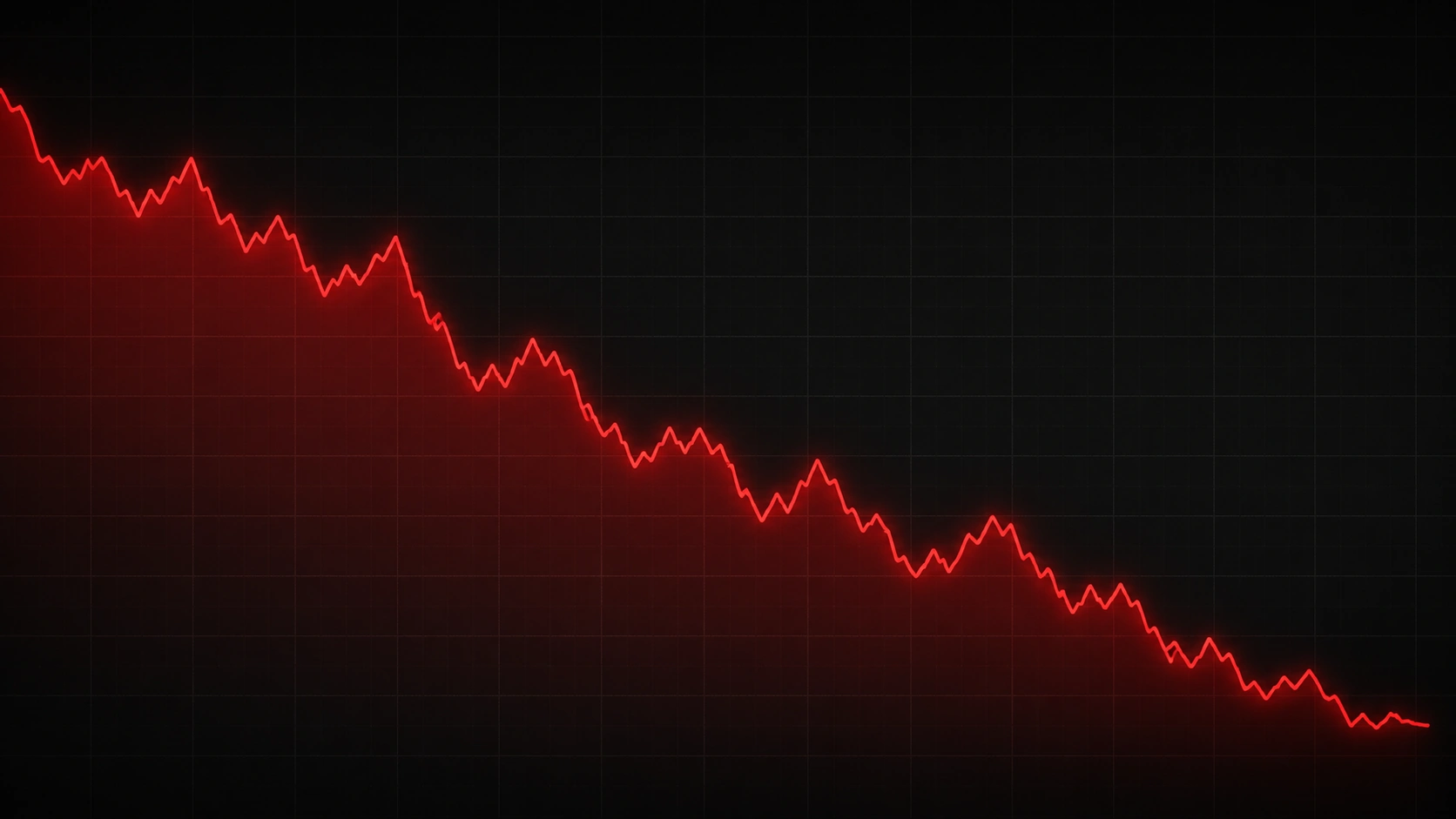
In poker, losing multiple sessions in a row and dropping a chunk of your bankroll in the process is called a downswing. All players go through downswings from time to time, depending on the games they play in, their skill, win rate, and the quality of their opponents. The higher your win rate, the less common and severe your downswings will be, but they will never completely disappear.
Is It a Poker Downswing or Bad Play?
Before blaming variance, it is crucial to objectively evaluate your situation. Here is a quick checklist to help you identify what is truly happening at the tables:
| Indicator | Standard Downswing | Bad Play & Tilt |
| Strategy | Sticking to proven pre-flop ranges and sizing. | Playing too loose, chasing draws, forcing bluffs. |
| Emotional State | Calm, accepting the math, slightly annoyed but focused. | Angry, desperate to win money back, blaming the dealer. |
| Session Length | Quitting when tired or taking planned breaks. | Playing incredibly long hours just to get “unstuck”. |
| Hand Reviews | Solvers and coaches confirm you made the right mathematical plays. | You realize you made clear mistakes when reviewing hands the next day. |
Online vs. Live Poker: How Downswings Differ
The environment you play in drastically changes how a downswing feels and operates. While the fundamental math behind variance applies everywhere, the real-world experience of a losing streak in online poker is vastly different from live poker.
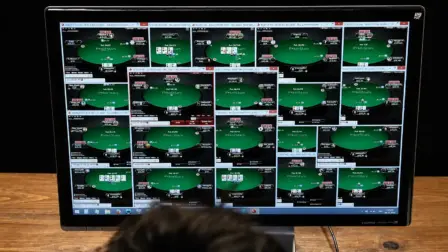
- Online Poker Downswings (Fast and Deep): When you play online, you can easily log hundreds of hands per hour by multi-tabling. Because of this extreme volume, downswings happen incredibly fast; you can easily drop 10 to 15 buy-ins over a single weekend. Furthermore, online games generally feature tougher competition, which lowers your average win rate. A lower win rate mathematically increases the depth of your downswings. The silver lining? Thanks to the high hand volume, you can grind your way out of a downswing much faster in terms of days or weeks.
- Live Poker Downswings (Slow and Agonizing): Live games are notoriously slow, averaging only 20 to 30 hands per hour. The player pool, however, is generally much softer. This allows for a higher win rate, which acts as a natural buffer, meaning you will rarely lose as many buy-ins in a row as you would online. The real danger here is time. Because the game is so slow, a standard mathematical downswing could take you several months of real-time grinding to escape. This prolonged, slow-bleeding losing streak can be mentally agonizing and requires immense emotional endurance to overcome.
Understanding these differences is vital. You should never compare an online downswing to a live one, as they require entirely different coping mechanisms and levels of patience.
Dealing with Poker Downswings
A poker downswing can have several negative implications. The first and most obvious is that you are losing money, which can impact your bankroll negatively.
The other, more sinister implication is the fact that a poker downswing can start playing with your head and hurt your mental game. This can lead to bad play at the tables and make the problem even bigger. Let's break down how to manage both the financial and mental aspects.
Managing Your Bankroll
You often hear poker players talking about how many buy-ins they have for their games, and you may think it's ridiculous at times. After all, why would anyone want to have hundreds of buy-ins just sitting around?
Professional players prepare for downswings by keeping a massive bankroll at the ready. When things start going badly, they simply push through it and keep playing their game. If you don't have a strict bankroll strategy, a downswing can destroy it completely.
Want to know exactly how deep your bankroll needs to be to survive the math? Check out our detailed guide on poker variance to learn about standard deviation and bankroll requirements.
Managing Tilt during a Downswing
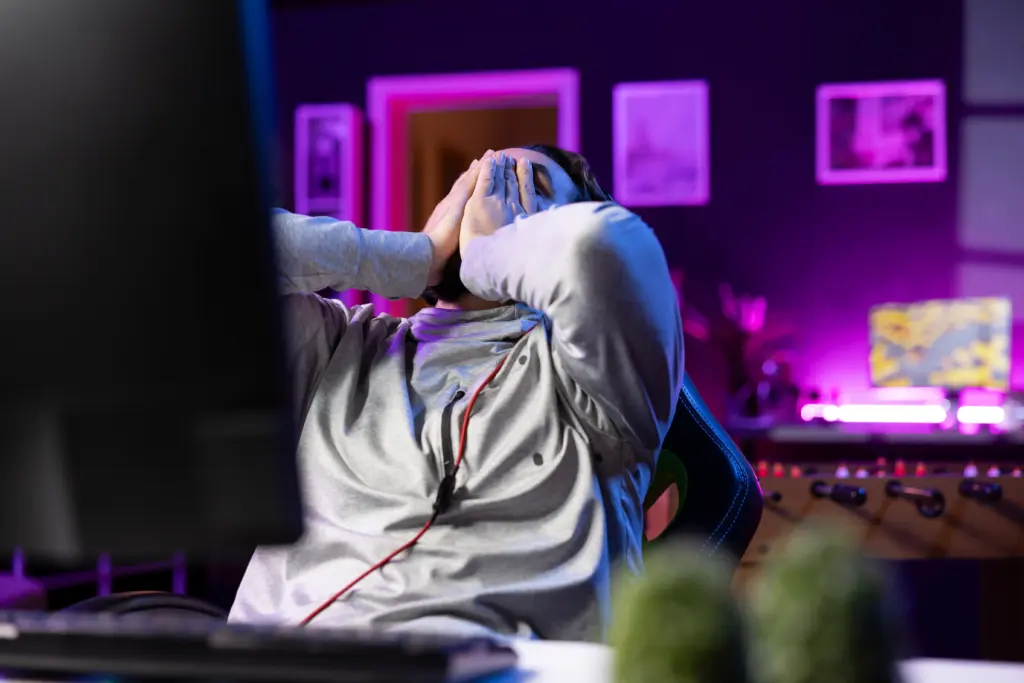
Tilt is any deviation from your best game that is caused by emotional or unreasonable decision-making. During a downswing, you may end up losing hands that seem like they should never go the other way.
If you get in the state of mind that you can’t win regardless of how you play, you can start making the wrong moves and misplaying your hands. When you do this, your downswing will only get worse. In fact, most legendary downswings are caused in part by tilt.
If you are struggling to keep your emotions in check, make sure to read our mental game article for advanced strategies on emotional control.
Studying Poker as a Downswing Remedy
When variance shows its ugly head, taking a break from playing can be a great idea. However, this doesn’t mean you have to remove yourself from the game completely.
Spending some time studying instead of playing can be a top remedy. Analyze your own hands that you played during the downswing with an open mind, or use a solver to help you figure out the mistakes you made. Talking with friends who also play poker is yet another great thing you can do. Try to take constructive criticism and talk the hands out in terms of hand ranges and bet sizes.
Top 5 Tips for Managing a Poker Downswing
So you have been experiencing a downswing and are looking for ways to deal with it? Keep these 5 tips in mind to survive your downswing and allow yourself to thrive after it.

1. Keep Realistic Expectations
High expectations can break a poker player very early in their career. As a poker player, you should try to play your best game at all times, and after some time, come up with your realistic win rate in the games you are playing. Remember, the closer you are to a break-even player, the more common downswings will be, and the more they will sting when they happen.
2. Never Deviate from Your Strategy
Downswings are an expected part of any poker career and will not impact your long-term win rate. What will impact your win rate is the way you play during the downswing. You should be confident enough in your plays that you can make them regardless of whether you are winning or losing short-term.
3. Take a Break
If you notice your emotions are not letting you play properly, simply walk away. When you start making emotional decisions, mistakes compound. Take a break for as long as you need to get all the bad beats out of your head. Don't just keep playing until you are “unstuck”.
4. Study the Game
Simply playing is not enough; you need to keep getting better to win consistently. Studying can be most helpful while you are on a downswing. It may help you find mistakes in your own game or reaffirm what you already know about the game, restoring your confidence.
5. Have a Life Outside of Poker
Poker is a magnificent game, but if you spend too much time on the felt, it will make you miserable. Doing things outdoors and socializing with other people is vital. A poker downswing is probably the best time to do something else for a while and completely remove yourself from the game. Poker will always be there when you are ready to come back.
Final Thoughts on Poker Downswings
You would not be a poker player if you hadn't blamed a downswing or bad luck for your results at some point. The thing to remember is that poker downswings are very real, and they will happen no matter how good you are.
If you want to have a career in this game, you have to know how to deal with poker downswings, how not to get tilted, and how to keep a healthy balance in life. Look at your results every year or after you have played a significant number of hands, and you will realize that short-term downswings don’t really matter at all. Keep on studying, trust the process, and your bankroll will keep moving in the right direction.
FAQ About Poker Downswings