
Online poker vs live poker isn't simply a matter of playing the same game in a different environment. The fundamentals of poker remain the same, but how you approach a table can change significantly depending on whether you play online or in a casino.
Online poker gives you more hands, faster decisions, the ability to play multiple tables, and access to detailed hand histories and tracking data. Live poker, on the other hand, is slower and gives you additional information through player behavior, physical tells, table dynamics, and direct observation.
Understanding these differences can help you adjust your strategy, choose better games, and avoid carrying habits from one format into the other. In this guide, we will compare the most important online poker and live poker strategy differences, from hand volume and player pools to bet sizing, physical reads, and exploitative adjustments.
Online Poker vs Live Poker: What Are the Main Differences?
The basic rules and principles of poker do not change between online and live games, but the environment can have a major impact on how you should approach the table. The biggest differences come from the speed of the game, the type of players you face, the amount of information available, and how much you can observe your opponents.
| Feature | Online Poker | Live Poker |
| Pace | High volume (60-100+ hands/hour per table) | Slower pace (20-30 hands/hour) |
| Volume | Multi-tabling is standard | Single table focus |
| Decision Time | Time banks force fast choices | More time per decision |
| Information | Hand histories, HUDs, and tracking data | Physical tells, verbal cues, body language |
| Bet Sizing | Standardized, math-based sizings | Larger opens, frequent limps, straddles |
These differences do not mean that one format requires completely different poker fundamentals. Instead, successful players learn how to adapt the same strategic principles to the environment they are playing in. Understanding where the two formats diverge can help you make better decisions and avoid applying an approach that works well online but is less effective in a live game.
Online Poker Has a Higher Volume of Hands
One of the biggest differences between online and live poker is the amount of hands you can play in a given session. Online games move much faster, allowing you to see many more hands per hour than you would at a live table.
This higher volume changes the way you approach the game. Online players make decisions repeatedly in a shorter period, which makes consistency, focus, and efficient decision-making especially important. A small mistake that seems insignificant in a single hand can become much more costly when the same type of mistake is repeated hundreds or thousands of times.
Higher volume also gives online players more opportunities to identify patterns in their own game. You can review large numbers of hands, identify recurring leaks, and work on specific situations away from the table. Over time, this makes data analysis and regular study an important part of a strong online poker strategy.
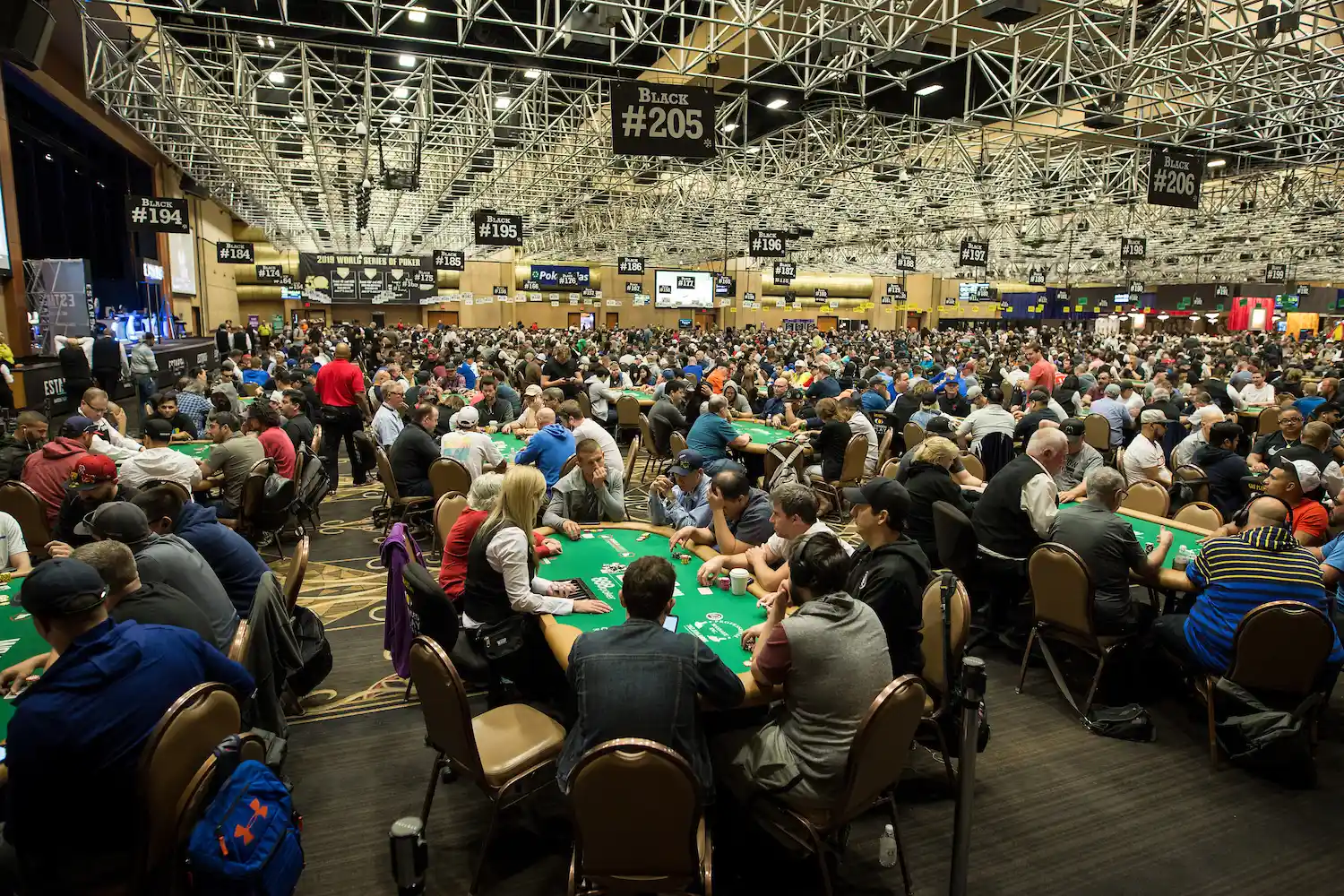
Live poker presents almost the opposite challenge. With fewer hands being dealt, individual decisions can carry more weight within a session, while there is also more time between hands to observe opponents and think through the action.
The key takeaway is that the faster pace of online poker is not simply about playing more hands. It also changes how quickly you need to make decisions and how much value you can generate from reviewing a large sample of hands.
Multi-Tabling Changes Online Poker Strategy
One of the biggest advantages of online poker is the ability to play multiple tables at the same time. Instead of waiting for one hand after another at a single table, online players can significantly increase their volume by participating in several games simultaneously.
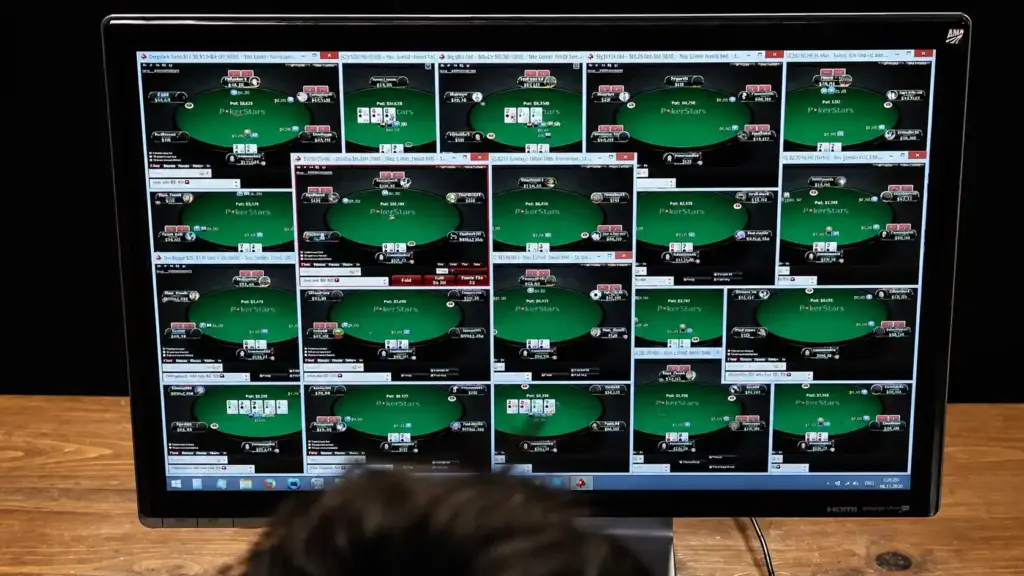
Multi-tabling changes more than just the number of hands you play. You have less time to think through each decision, so hand selection, time management, note-taking, and focus become increasingly important. Playing more tables can also make it harder to pay attention to individual opponents, meaning online players often need to rely more heavily on established tendencies, statistics, and patterns in their own game.
It also creates a different kind of mental challenge. The faster pace and constant stream of decisions can lead to mental fatigue, especially when playing several tables for an extended period. As a result, knowing how many tables you can handle without sacrificing decision quality is an important part of a successful online poker strategy.
Live poker normally presents the opposite situation: you are focused on a single table and have significantly more time between decisions. Multi-tabling is technically possible in live poker, but it is certainly not practical in the same way. Martin Kabrhel provided a memorable example of just how difficult it can be during the 2026 WSOP, when he was simultaneously involved in three bracelet events and was seen running between the Horseshoe and Paris Las Vegas to keep up with two live tournaments while also playing an online event.
Game Selection and Player Pools
The players you face can be very different depending on whether you play online or live, and that should influence how you approach the game. Online poker pools often contain a larger number of regulars who play frequently, while live tables can have a wider mix of recreational players, occasional players, and professionals.
This does not mean that every live game is soft or every online game is tough. The composition of the table can vary significantly in both formats, which makes game selection important regardless of where you play. Choosing the right stakes, table, and poker rooms can have a major impact on your long-term results.
Online players also have access to a much larger selection of games. You can move between tables quickly, choose from different stakes, different poker sites and often find games at almost any time of day. This makes table selection and seat selection an important part of an effective online poker strategy.
Live players usually have fewer options at any given moment. If there is only one suitable game running at your local card room, you may have to make the most of that table rather than switching instantly to another one. At the same time, spending several hours with the same players can give you more opportunities to identify individual tendencies and make exploitative adjustments.
Ultimately, player pools should not be viewed as a simple online-versus-live comparison. The specific game matters more than the format alone. Learning to recognize the strengths, weaknesses, and tendencies of the players around you is one of the most important skills in both online and live poker.
Bet Sizing and Game Dynamics
Bet sizing can look very different in online and live poker, even when the same game and stakes are being played. The difference is often less about the rules of the game and more about how players approach decisions in each environment.
Live games frequently feature larger preflop raises, more limping, and more multiway pots than many online games. Straddles are also much more common in live cash games, which can change the effective stack sizes and create larger pots from the very first betting round. These dynamics can make standard online sizing habits less effective when you move to a live table.
Online poker, meanwhile, often has more consistent bet-sizing patterns across a player pool. Regulars tend to use established sizing strategies, and the faster pace of the games makes it easier to develop population-level assumptions about how certain bet sizes are used.
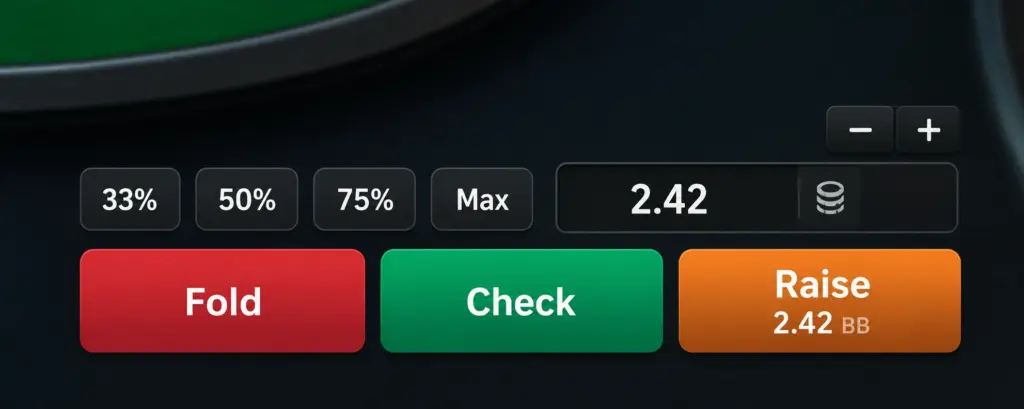
That does not mean you should follow a fixed set of live or online bet sizes. Instead, pay attention to how the specific table is playing. If players are routinely calling large preflop raises, for example, there may be little reason to use the same smaller sizing you would choose against a tighter online population.
The same principle applies after the flop. Live games can produce more multiway situations, while online players may be more accustomed to heads-up pots and standardized sizings. Adapting your bet sizes to the number of players in the pot, stack depths, and the tendencies of your opponents is often more valuable than following a rigid sizing chart.
Information and Reads: Live Tells vs. Online Data
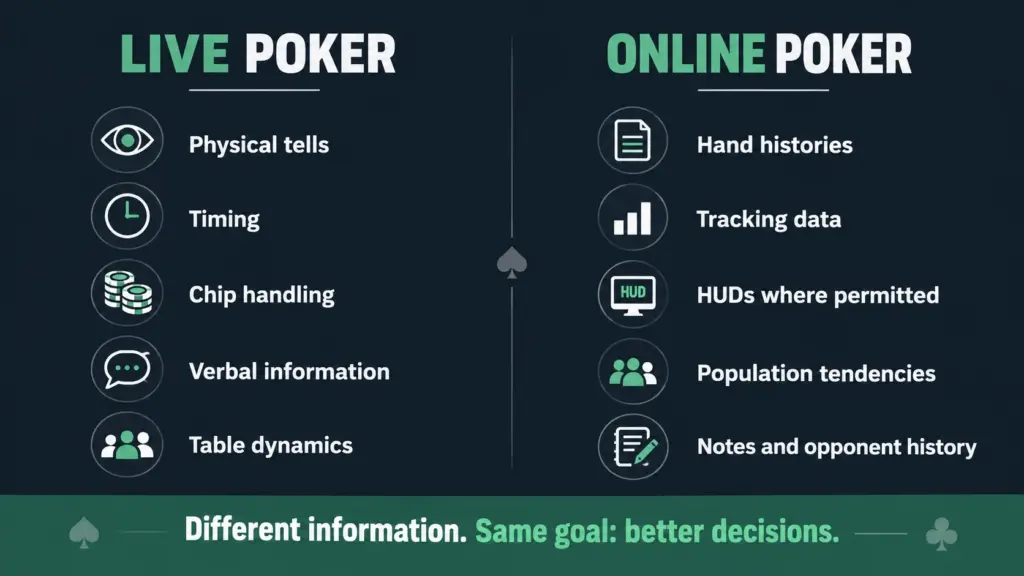
One of the biggest differences between online and live poker is the type of information available to you. Online players have access to detailed hand histories and, where permitted, tracking data, while live players can gather information from physical behavior, timing, bet handling, and conversations at the table.
Neither type of information is automatically more valuable. The key is learning how to identify reliable patterns and use them alongside the rest of the information available in the hand.
In live poker, physical tells can provide information that simply does not exist online. A player's hesitation, chip movements, posture, or verbal comments can sometimes reveal useful clues about the strength of their hand. However, these signals should be treated as additional information rather than as definitive evidence.
Online poker provides a different advantage: data and volume. Because you can collect and review large numbers of hands from your HUD (if allowed), it becomes easier to identify recurring tendencies, spot leaks in your own game, and recognize how specific opponents or player pools behave.
This creates an important strategic difference. A strong live player learns to combine physical and behavioral information with the betting action, while a strong online player can supplement their decisions with historical data and larger samples. In both formats, the goal is the same: use every reliable piece of information available to make a better decision.
Online and Live Poker Require Different Exploitative Adjustments
The differences between online and live poker become especially important when you start adapting your strategy to the players around you. The same fundamental principles apply in both formats, but the information available to you can change the most effective exploitative adjustments.
In online poker, large samples and recurring patterns make it easier to identify population tendencies. For example, you may discover that opponents:
- fold too often to three-bets,
- defend the big blind too widely, or
- give up too frequently against turn aggression.
Live poker often requires a more player-specific approach. You may have less historical data, but you can pay closer attention to bet sizing, timing, physical behavior, and repeated actions during the session.
The most important skill in either format is recognizing when an opponent deviates from a reasonable baseline and adjusting accordingly. Online players can often use data and population trends to guide their exploits, while live players may rely more heavily on individual reads and table dynamics.
Which Is Better: Online Poker vs Live Poker?
Neither online poker nor live poker is inherently better. The right format depends on your goals, playing style, and the skills you are most comfortable relying on.
Online poker is often a better fit for players who enjoy high volume, fast decision-making, multi-tabling, and using data to study their game. The ability to choose from many tables and play more hands in a shorter period can also make it easier to focus on long-term improvement.
Live poker, on the other hand, may suit players who prefer a slower pace and more direct interaction with their opponents. Physical reads, table dynamics, and player-specific adjustments can become a much bigger part of your strategy, while the lower hand volume gives you more time to observe and think through each decision.
The most important thing is to understand the strengths and limitations of each format. A player who is comfortable online may need time to adjust to the slower pace of a live game, while a strong live player may need to become more comfortable with the speed and volume of online poker strategy.
Final Thoughts
Online poker and live poker may share the same rules and fundamental strategy, but the environment changes how you should approach the game. Online poker rewards volume, fast decision-making, multi-tabling, and data-driven study, while live poker gives you more time to observe opponents and take advantage of physical and behavioral information.
The strongest players understand these differences and adapt rather than simply transferring the same strategy from one format to the other. Whether you prefer the speed and volume of online poker or the slower pace and personal interaction of live games, learning how to adjust your strategy to the environment can make you a more complete poker player.
FAQ About Online Poker vs Live Poker