
Bad beats can hurt a lot, and the pain you feel after losing to a two-outer on the river can only be compared to the one you feel after getting a poker cooler.
Although the outcome is usually the same, losing a sizeable pot that you thought was locked, there are some significant differences between a cooler and a bad beat in poker.
What is a Cooler in Poker?
Poker coolers are situations where you have a very good, almost unbeatable hand, but your opponent simply shows up with a better one.
Unlike a classic bad beat scenario, they didn’t outdraw you. They already had you beat when the chips went in, but the chance of them holding a better hand than yours was statistically incredibly slim.
A classic cooler poker hand is getting dealt pocket Kings against someone’s pocket Aces.
You’re never folding pocket Kings before the flop, so when you eventually end up all-in, and the other guy turns over pocket rockets, you didn’t do anything wrong. They didn’t do anything wrong, either. The hand played out exactly as it was supposed to mathematically. It was just a poker cooler.
The Math Behind the Madness: How Rare is a Poker Cooler?
When you are on the wrong side of a massive setup, it feels like the universe is specifically targeting you. However, understanding the raw mathematics behind a poker cooler can help rationalize the pain.
For instance, the odds of being dealt pocket Aces are exactly 1 in 221. If you are holding pocket Kings at a full-ring 9-handed table, the odds that exactly one of your opponents wakes up with pocket Aces are just under 4%. It is rare, but if you play thousands of hands a month, you will see it happen regularly.
Similarly, the dreaded ‘set over set’ cooler is much rarer than most players realize. If two players both hold pocket pairs, the odds of both flopping a set are only around 1.3% (roughly 1 in 75). Because it happens so infrequently, the emotional impact tends to feel far greater than a standard bad beat.
Why Do Poker Coolers Exist & Can They Be Avoided?
The nature of pretty much all poker variations and Texas Hold’em especially, is that anyone can get dealt any hand at any point. If something is statistically possible, it’s bound to happen given a large enough sample size.
If you play enough hands, you’ll witness and be an active participant on both sides of poker coolers.
As explained, the exact definition of a poker cooler is somewhat open-ended. Some situations, like the pre-flop Kings vs. Aces example, are clear-cut coolers where the math dictates you have no choice but to go broke. The same applies when you flop the nut flush on an unpaired board and run into a straight flush.
You cannot afford to play “scared poker” and pass on highly profitable opportunities just because you are afraid of facing a cooler. More often than not, the other player is just overplaying a hand that’s worse than yours.
Not All Coolers Are Created Equal
While there are spots you cannot avoid, there are also situations that players loosely categorize under the umbrella of a “poker cooler” that are actually completely avoidable.
People often tend to justify their bad plays as coolers because that’s easier than trying to study and improve their game.
- The Setup: You defend against an early position raise with Q♠8♠. The flop comes Q♥Q♦K♣. You check-call. The turn is an A♠. You check-call again. The river is the 10♦. You check, and your opponent fires a pot-sized bet. What do you do?
Against a competent early-position raiser, your hand doesn’t play well at all here. They have almost all the full houses and even some straights in their range. If you decide to call and lose, you might be tempted to call it a cooler.
Of course, it’s easier to disregard this hand as a poker cooler than to confess that you should have folded on the turn or river. It’s a situation where you can and should find a fold unless you have very specific, exploitative reads on your opponent.
How to Mentally Recover After a Massive Cooler
Taking a horrific beat can instantly trigger “tilt,” a state of emotional frustration that causes players to abandon logic and play aggressively just to win their money back.
To survive a poker cooler, you must manage both your bankroll and your mindset. If a massive cooler wipes out a significant portion of your daily limit, the best strategy is to simply walk away from the table. Close the laptop, take a walk, and reset your brain. If your overall bankroll took a heavy hit, leave your ego at the door and drop down in stakes until you regain your confidence and rebuild your funds.
Do Poker Coolers Matter?
Losing to a cooler hand really stinks. It’s not an easy thing to get over, especially after you’ve been sitting patiently for hours only to discover your flopped set of Eights is second-best against a set of Tens.
But, if you think about it, what is a cooler in poker, really?
It’s just a statistical anomaly. It happens so infrequently that you shouldn’t give too much thought to it. Over your poker career, you will be on both sides of coolers, so the variance naturally evens out.
Having a string of bad coolers in a short period can mess with your mental state, but you absolutely shouldn't let them influence your core strategy. If you’re playing a winning strategy, the math will eventually go your way.
The only way a poker cooler can hurt you in the long run is if you let it influence your play, causing you to make negative Expected Value (-EV) decisions. Missing out on value with the virtual nuts because you’re suddenly terrified of unlikely monsters is entirely on you.
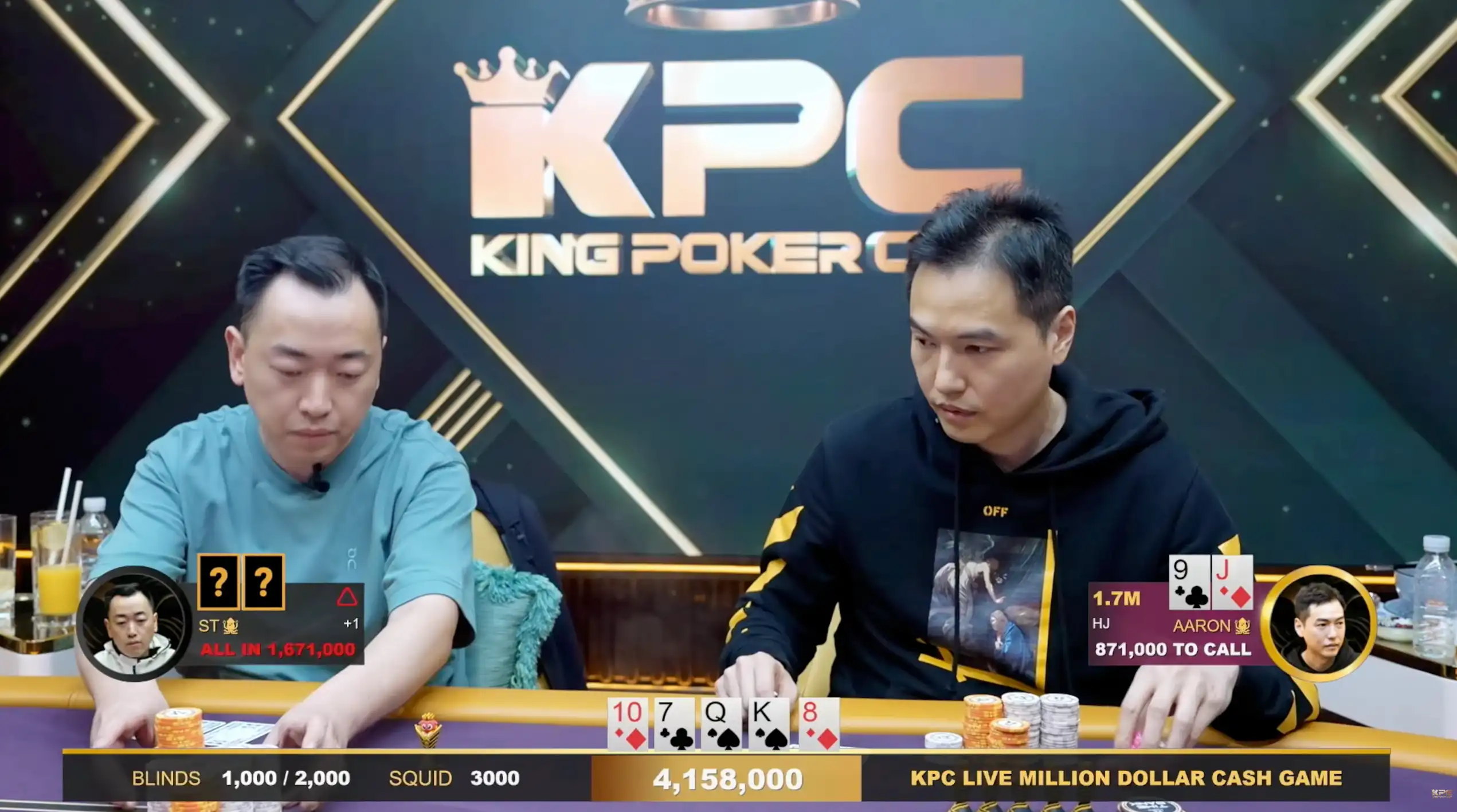
As you will see in the legendary live poker videos below, a massive cooler under the casino lights can ruin your entire night. Because live poker is relatively slow, dealing only about 25 to 30 hands per hour, taking a brutal setup often means you won't see another premium hand for the rest of the evening.
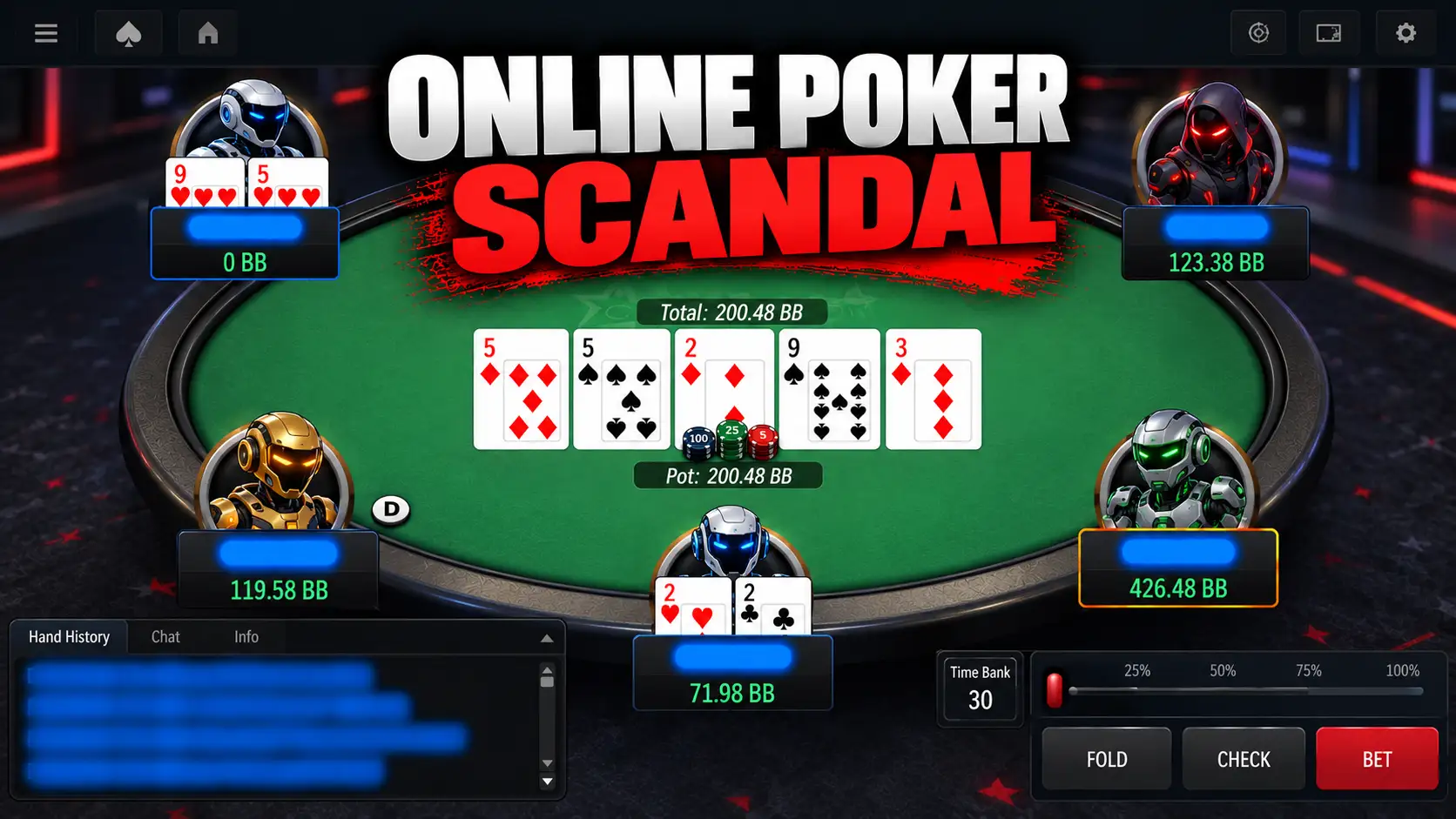
If you want to see the mathematics balance out much faster, playing online is a fantastic option. Online poker allows you to play significantly more hands per hour, meaning the variance evens out much quicker.
Selection of Iconic Poker Coolers to Make You Feel Better
Every time you lose a pot to a cooler, you’ll feel bad; there’s no doubt about that. However, losing in a small local tournament isn’t as bad as busting out of the Main Event or losing a six or seven-figure pot in a cash game.
So, if you want to feel better about your cooler, check out some of these epic YouTube videos to realize it can always get worse.
Vanessa Selbst vs. Gaelle Baumann (WSOP Main Event)
Imagine turning the Aces’ full in the Main Event and being dead to one out. To Vanessa’s credit, she did deeply consider folding her hand, but it’s not the kind of fold a professional ever really makes in that spot. Even Selbst herself is shell-shocked once Baumann turns over quad Sevens.
Laying Down a Monster
As mentioned earlier, not all cooler poker hands are unavoidable. Sometimes the board runs out and the betting action dictates a heroic fold. Laying down absolute monsters sucks, but sometimes recognizing the tightest player at the table is never bluffing is the only right move to make.
Quad Aces Defeated
This hand is a perfect example that weird things can sometimes happen at the table. While this hand started as more of a bad beat, the river card cements it as the ultimate poker cooler. How often do you lose with quad Aces in Texas Hold'em? At least the loser gets a great story to tell for years to come.
Daniel Negreanu vs. Gus Hansen (High Stakes Poker)
This is a legendary hand from High Stakes Poker that most fans have seen a few times. While Daniel Negreanu has an incredibly strong full house (Sixes full of Fives), he still must wonder what kind of hand Gus needs to move all-in on the river. But it is Gus Hansen after all, so you can never discard a crazy bluff. Daniel ended up losing over a quarter of a million dollars to Gus's quad Fives.
Take Your Poker Coolers in Stride
It would be great to give you advice on how to become completely emotionless, accept every poker cooler as something inevitable, and move on instantly. Unfortunately, there is no sure-fire way to do this. As you can see from the videos above, such hands hurt no matter how long you’ve been playing as a professional.
Once the initial shock is over, try to recover as fast as you can. The more time you spend dwelling on bad luck, the less time you’ll have to devote to things that actually matter, studying and learning the game! Focus on improving your game in areas where you can actually make a difference instead of lamenting your bad luck.
FAQ About Poker Coolers