
If you're searching for the best poker strategy books in 2026, you’ve probably realized something: most “top poker books” lists are outdated. They focus on classics that shaped the game decades ago – but poker today is a solver-driven, range vs. range battlefield.
Modern players don’t just need theory. They need a structured, modern poker strategy, GTO awareness, population adjustments, and a clear framework for improvement.
This guide breaks down the 5+1 most relevant poker strategy books for advanced players in today’s game – not nostalgic picks, but books that still give you a competitive edge.
The 5+1 Best Poker Strategy Books in 2026 (Quick List)
- Modern Poker Theory – Michael Acevedo (Best Overall GTO Foundation)
- Play Optimal Poker Vol. 2 – Andrew Brokos (Best for Conceptual GTO Thinking)
- Applications of No-Limit Hold’em – Matthew Janda (Most Advanced Theoretical Work)
- Endgame Poker Strategy – Dara O’Kearney & Barry Carter (Best for Tournament Players)
- GTO Poker Simplified – Dara O’Kearney & Barry Carter (Best Practical Implementation Guide)
- Mastering Small Stakes Pot-Limit Omaha – Jnandez (Best Book for PLO Players)
Now let’s break them down properly.
What Makes the Best Poker Strategy Books Relevant in the GTO Era?
Before diving into the list, we need to address something important.
Many of the classic best poker books focused on exploitative play. That made sense in softer fields. However, today’s online and live environments are far more challenging.
A modern book must teach:
- Range vs range thinking
- Balanced betting frequencies
- GTO baselines
- Population deviations
- Structured study methods
Without that, you’re learning history – not strategy.
That’s why this list focuses on true advanced poker books, not only beginner introductions.
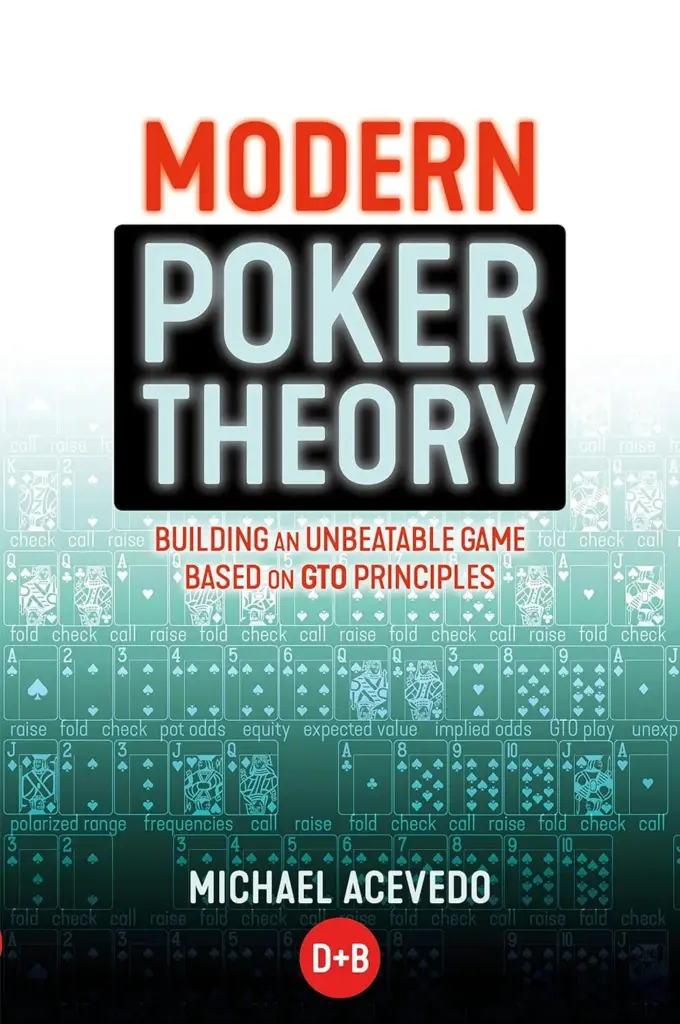
1. Modern Poker Theory – Michael Acevedo
Why It’s One of the Best Poker Strategy Books in 2026
Modern Poker Theory is arguably the most complete foundation among all GTO poker books currently available.
Michael Acevedo is a high-stakes professional player and coach with a background in physics, mathematics, and quantitative analysis. His analytical approach shows throughout the book: every concept is structured, mathematically grounded, and explained through solver-backed logic rather than opinion.
Acevedo doesn’t just show solver outputs – he explains why equilibrium strategies look the way they do.
Skill Level: Advanced
Best For: Cash & Tournament players
GTO Depth: Extremely high
Why It Still Matters?
Even though solvers have evolved, the core principles remain unchanged:
- Preflop range construction
- Postflop equilibrium strategies
- MDF and bluffing frequencies
- Optimal bet sizing logic
If you want to understand modern poker strategy at a structural level, this is the foundation.
Potential Downsides
- Dense
- Data-heavy
- Demands focus and structured study
It’s not a light read, but it sets a clear benchmark for understanding high-level GTO strategy.
2. Play Optimal Poker Vol. 2 – Andrew Brokos

Conceptual GTO Without Solver Overload
While many poker books focus on outputs, Brokos focuses on logic.
This book teaches you to think like a game theorist rather than memorize charts.
Skill Level: Intermediate to Advanced
Best For: Conceptual clarity
GTO Depth: High
Why It’s Different
Instead of flooding you with solver grids, it explains:
- Indifference principles
- Frequency balancing
- Why certain bluffs must exist
- Strategic symmetry
Among modern poker books, this is one of the best bridges between theory and application.
3. Applications of No-Limit Hold'em – Matthew Janda

The Hardcore Theoretical Option
If Acevedo is structured, Matthew Janda is rigorous.
This is one of the most demanding GTO poker books ever written.
Skill Level: Very Advanced
Best For: Theoretical players
GTO Depth: Extremely high
Why It Still Holds Up
Even though it predates widespread solver access, the framework is still correct:
- Polarization theory
- Balanced betting trees
- Multi-street range construction
Even though it was published in 2013 and predates the widespread use of solvers, the book is deeply rooted in game theory principles. While it doesn’t present solver outputs in a modern format, its focus on balanced ranges, polarization, and indifference laid important groundwork for today’s equilibrium-based thinking.
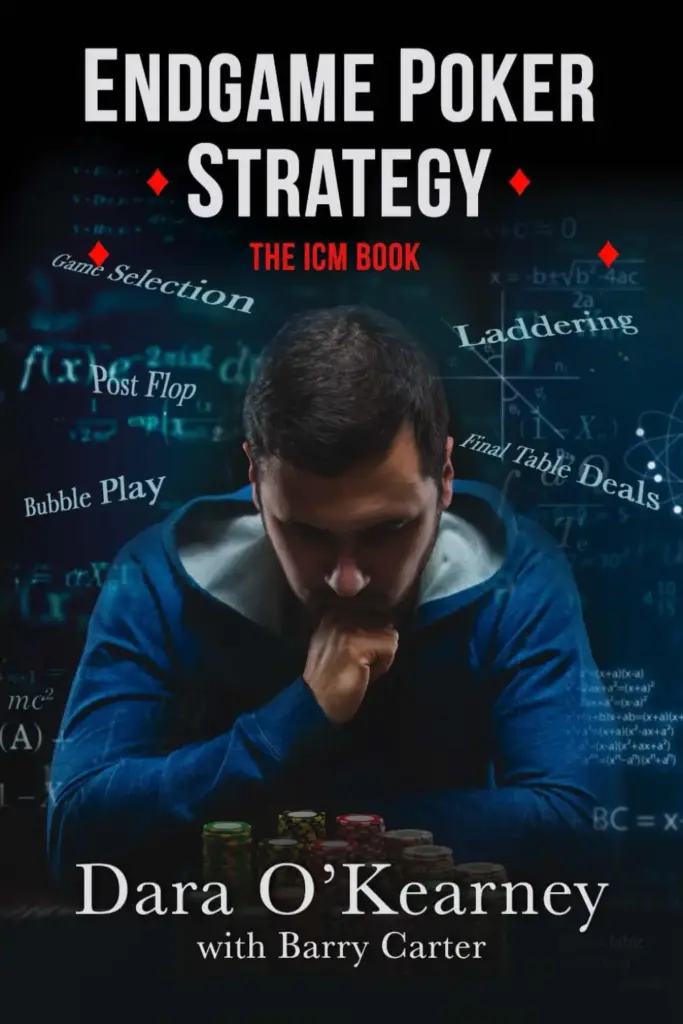
4. Endgame Poker Strategy – Dara O’Kearney & Barry Carter
GTO Under ICM Pressure
This book by poker author and coach Dara O'Kearney stands out as one of the strategy books because it tackles equilibrium thinking under tournament constraints.
Skill Level: Intermediate to Advanced
Best For: MTT players
Focus: ICM & push/fold equilibria
Why It’s Essential
Tournament poker introduces non-linear risk.
This book teaches:
- Nash ranges
- Final table adjustments
- Short stack math
- Bubble pressure dynamics
For tournament-focused books, this is mandatory reading.
5. GTO Poker Simplified – Dara O’Kearney & Barry Carter

Practical Solver Implementation
Not everyone wants 600 pages of theory.
This book simplifies modern strategy concepts without diluting them.
Skill Level: Intermediate
Best For: Implementation
GTO Depth: Moderate
It’s one of the most accessible books that still respects equilibrium logic.
+1: Mastering Small Stakes Pot-Limit Omaha – Jnandez
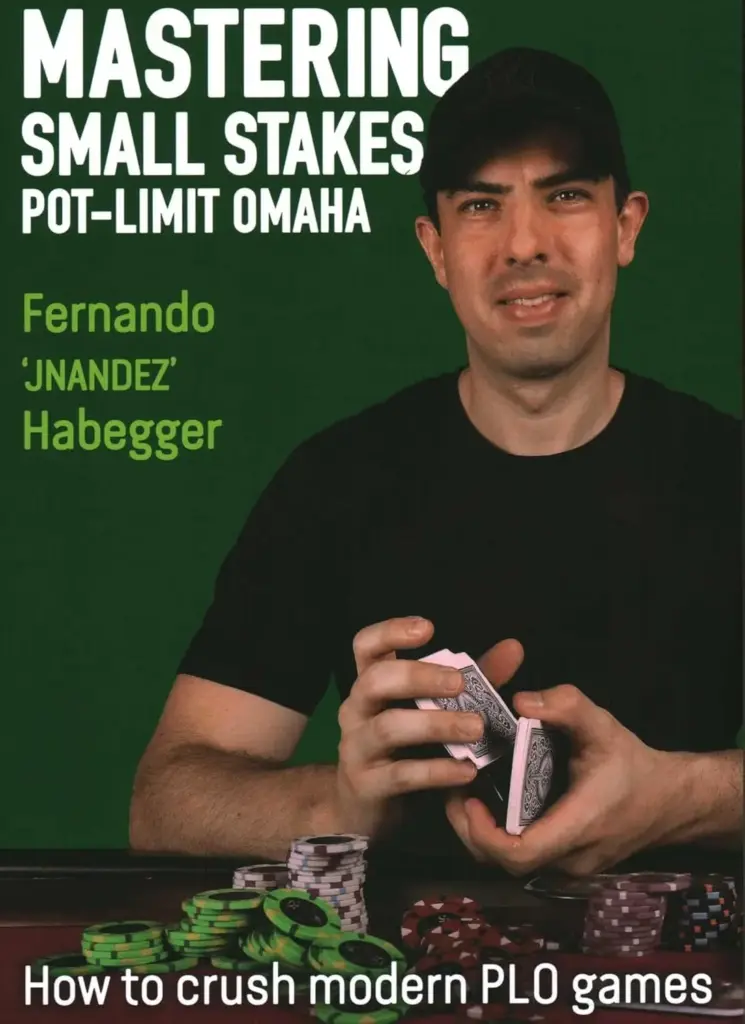
The Best GTO Book for PLO Players
Even though the title says “Small Stakes”, this is one of the most advanced solver-based PLO books available.
Fernando “Jnandez” Habegger is widely regarded as one of the most influential Pot-Limit Omaha specialists of the modern era. Beyond being a high-stakes player, he is known for his analytical mindset and structured approach to PLO study, which has helped shape how many professionals think about solver-based Omaha strategy.
Skill Level: Intermediate to Advanced
Best For: PLO specialists
Focus: Solver-driven PLO strategy
Among modern PLO poker books, this fills a major gap: Pot Limit Omaha strategy remains underrepresented in book form.
How to Choose Among the Best Poker Strategy Books
If you play cash games and want a full foundation → Modern Poker Theory by Michael Acevedo
If you want conceptual clarity → Play Optimal Poker Vol. 2 by Andrew Brokos
If you want extreme theoretical depth → Applications of No-Limit Hold’em by Matthew Janda
If you play tournaments → Endgame Poker Strategy by Dara O’Kearney & Barry Carter
If you want practical implementation → GTO Poker Simplified by Dara O’Kearney & Barry Carter
If you play PLO → Mastering Small Stakes Pot-Limit Omaha by Jnandez
Rather than simply ranking titles, this breakdown helps you align your choice with your format, skill level, and study goals.
Are Poker Books Still Worth Reading in 2026?
Yes, but only if they align with how the game is actually played today.
The biggest mistake players make is treating books as outdated simply because solvers exist. In reality, solvers provide answers, but they don’t always provide understanding.
Books offer:
- Conceptual structure
- Strategic language
- Framework-based reasoning
- Long-term thinking models
Solvers show you answers.
Books teach you structure.
A solver without understanding becomes pattern memorization.
A book without practice becomes theory without execution.
- Study a core book
- Verify spots in a solver
- Compare to population tendencies
- Adjust exploitatively
That’s how structured improvement actually happens.
Taking Your Knowledge to the Online Tables
Mastering the right poker books for advanced players is only the first step. When you apply these concepts in today’s online poker environment, structured strategy and GTO awareness give you a clear edge against unprepared opponents. If you’re ready to put this knowledge into action, explore the online poker rooms and exclusive offers we’ve highlighted to start playing with a real strategic advantage.
FAQ
Final Thoughts
The landscape of poker education has changed dramatically. The true best poker strategy books today are not the most famous ones – they are the ones aligned with the solver era.
If you're committed to improving in 2026, these 5+1 titles form a complete study ecosystem.
Choose the one that matches your level, build structured knowledge, and combine it with deliberate practice.
That’s how real progress happens.