Try Your Hand Replayer

Get Your FREE Bonus!







If you are searching for the best poker books in 2026, you have probably noticed that there are countless options available. From classic strategy guides to modern takes on poker psychology and math, choosing the right book can feel overwhelming.
That’s why I’ve put together this updated list of the best poker books – timeless classics written by legendary professional players who helped shape the game. Whether you are just starting out or looking to strengthen your fundamentals, these books cover essential concepts such as strategy, tournaments, cash games, poker math, and the mental side of winning.
Below is our carefully selected list of the best poker books in 2026, covering strategy, psychology, math, tournaments, cash games, and more.
Below, you will find short descriptions if you want to learn more about each of the books on our list, and some bonus picks recommended by professional poker players.
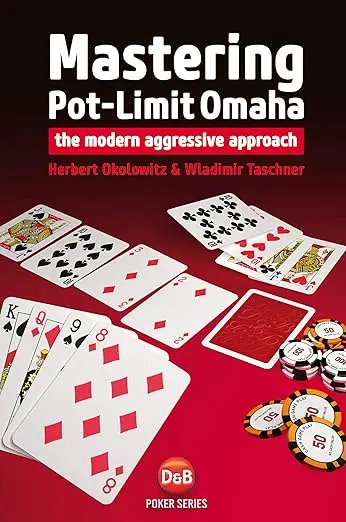
Pot-Limit Omaha has become one of the fastest-growing poker formats, and many players are looking to expand beyond No-Limit Hold’em. Mastering Pot-Limit Omaha is one of the best poker books available for players who want to understand the fundamentals of PLO strategy.
The book covers essential concepts such as hand selection, equity realization, and postflop play, making it an excellent resource for players transitioning from Hold’em to Omaha. While it is not overly theoretical, it provides a strong foundation for anyone serious about improving their PLO game.
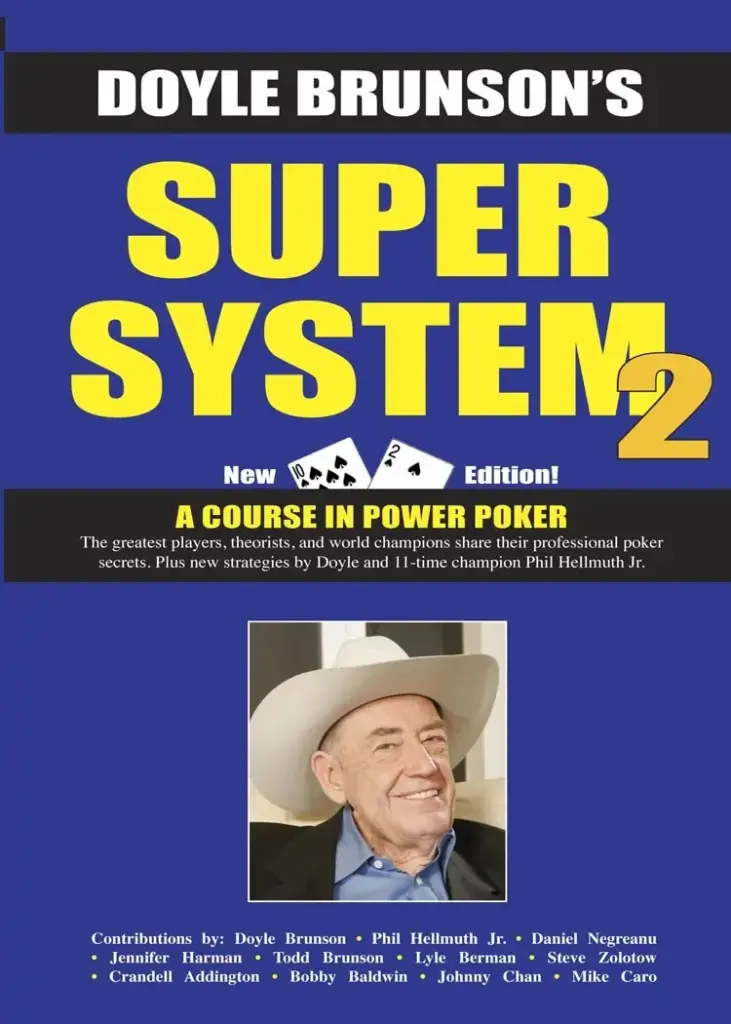
Following the success of the original Super System, Super System 2 expands beyond Hold’em and introduces readers to multiple poker formats.
Written by legendary professionals such as Daniel Negreanu, Bobby Baldwin, and Johnny Chan, this book covers games like Seven-Card Stud, Deuce-to-Seven Triple Draw, Omaha Hi-Lo, and more. For players looking to broaden their skill set beyond standard Hold’em, this remains one of the best poker books for understanding mixed-game fundamentals.
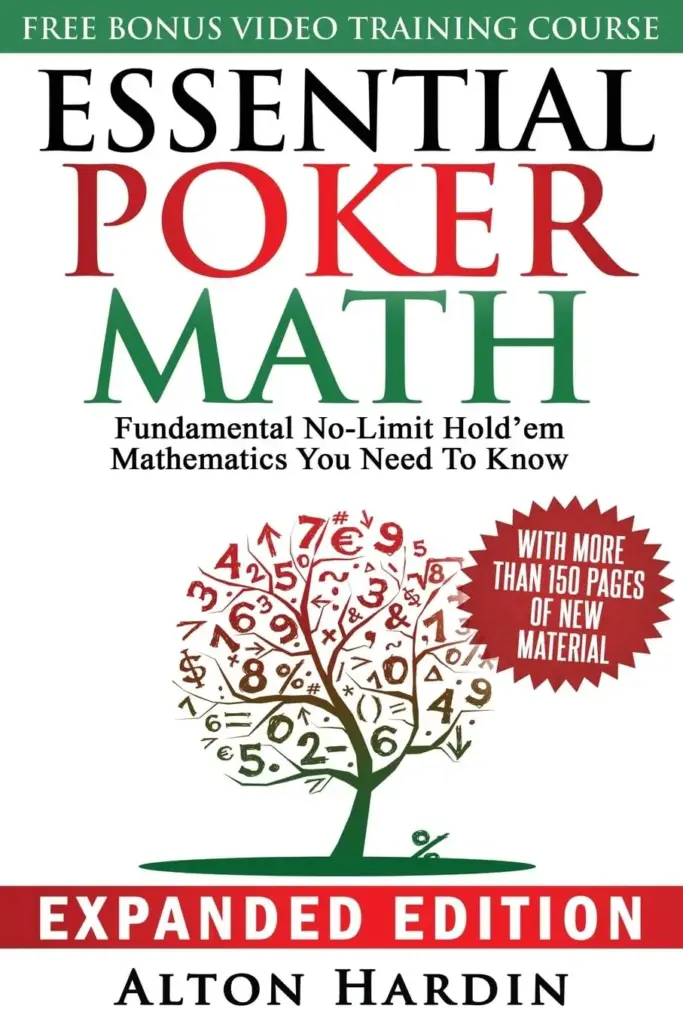
A strong understanding of math is critical if you want to become a consistent winner. Essential Poker Math by Alton Hardin simplifies complex concepts and makes them accessible to players at all levels.
IThe book explains pot odds, implied odds, expected value (EV), and basic hand reading in a straightforward way. Among the best poker books focused on fundamentals, this one stands out for its clarity and practical application.
Live poker requires a different skill set compared to online play. Verbal Poker Tells by Zachary Elwood explores how players unintentionally reveal information through speech patterns and table talk.
This book is particularly valuable for live cash game and tournament players who want to gain an edge through behavioral analysis. While it doesn’t focus on strategy charts or math, it remains one of the most unique poker books available for live specialists.
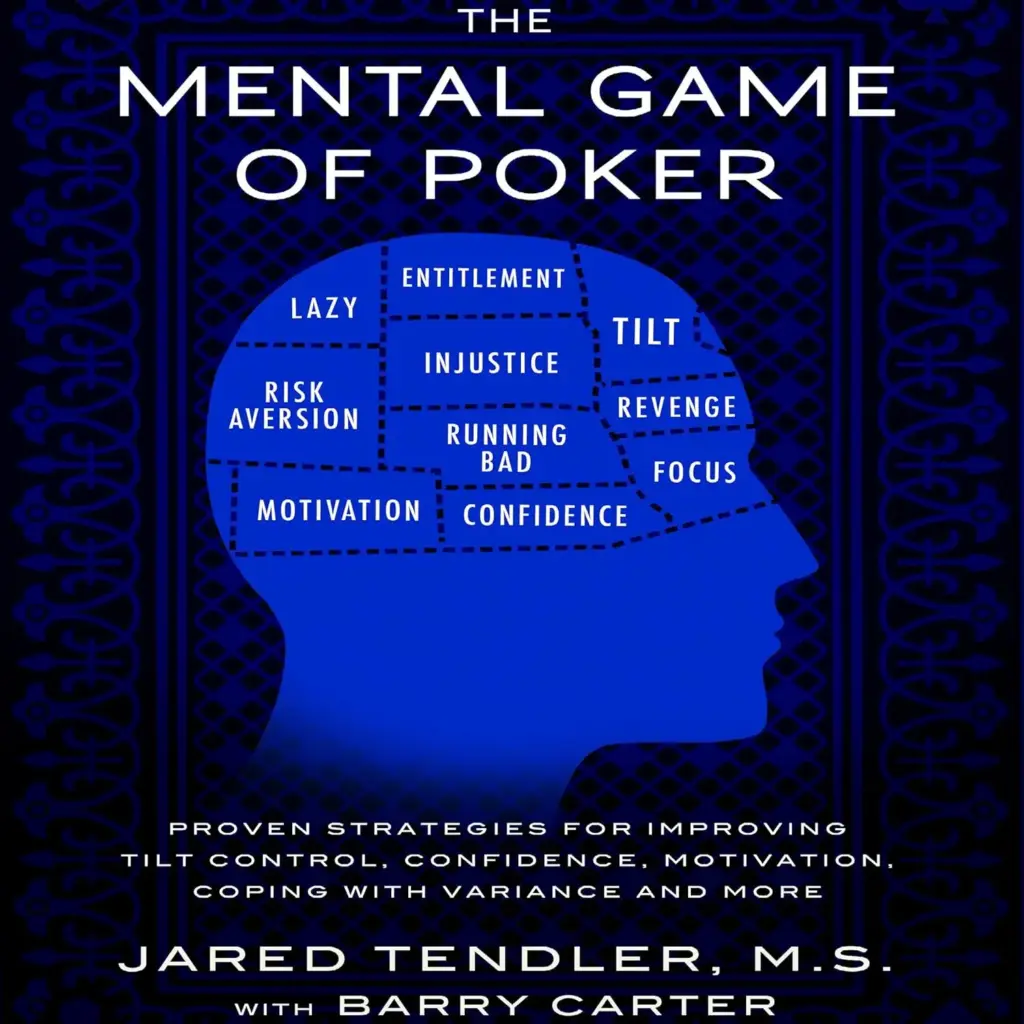
Poker is not just a technical game – it is also psychological. The Mental Game of Poker by Jared Tendler addresses tilt, emotional control, confidence, and dealing with variance.
Unlike purely strategic poker books, this one focuses on mindset and long-term improvement. For many players, mastering the mental side of the game is what separates break-even results from consistent profitability.
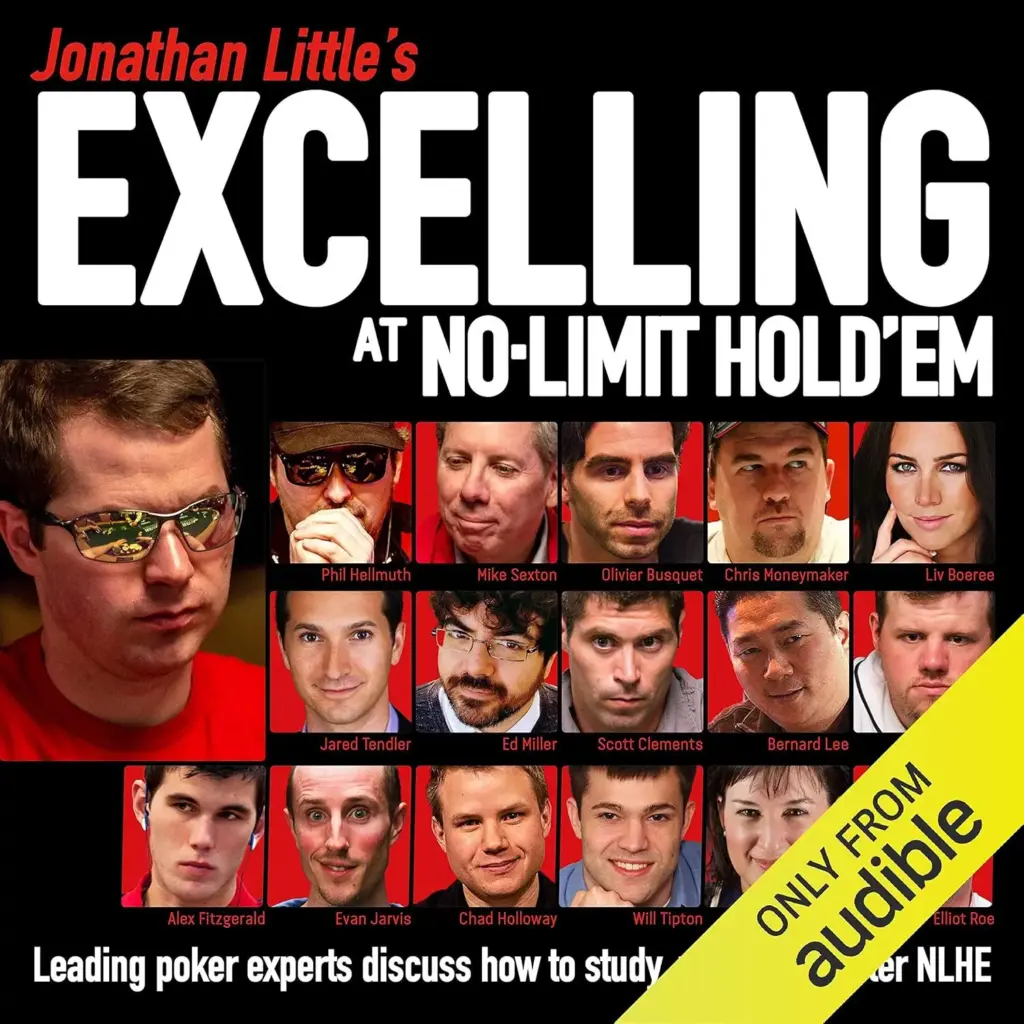
Excelling at No-Limit Hold’em, edited by Jonathan Little, is a collaborative work featuring insights from several experienced professionals.
The book covers topics ranging from hand ranges and bet sizing to exploiting opponents in deep-stack environments. For serious cash game players, this remains one of the best poker books for building a strong strategic framework.
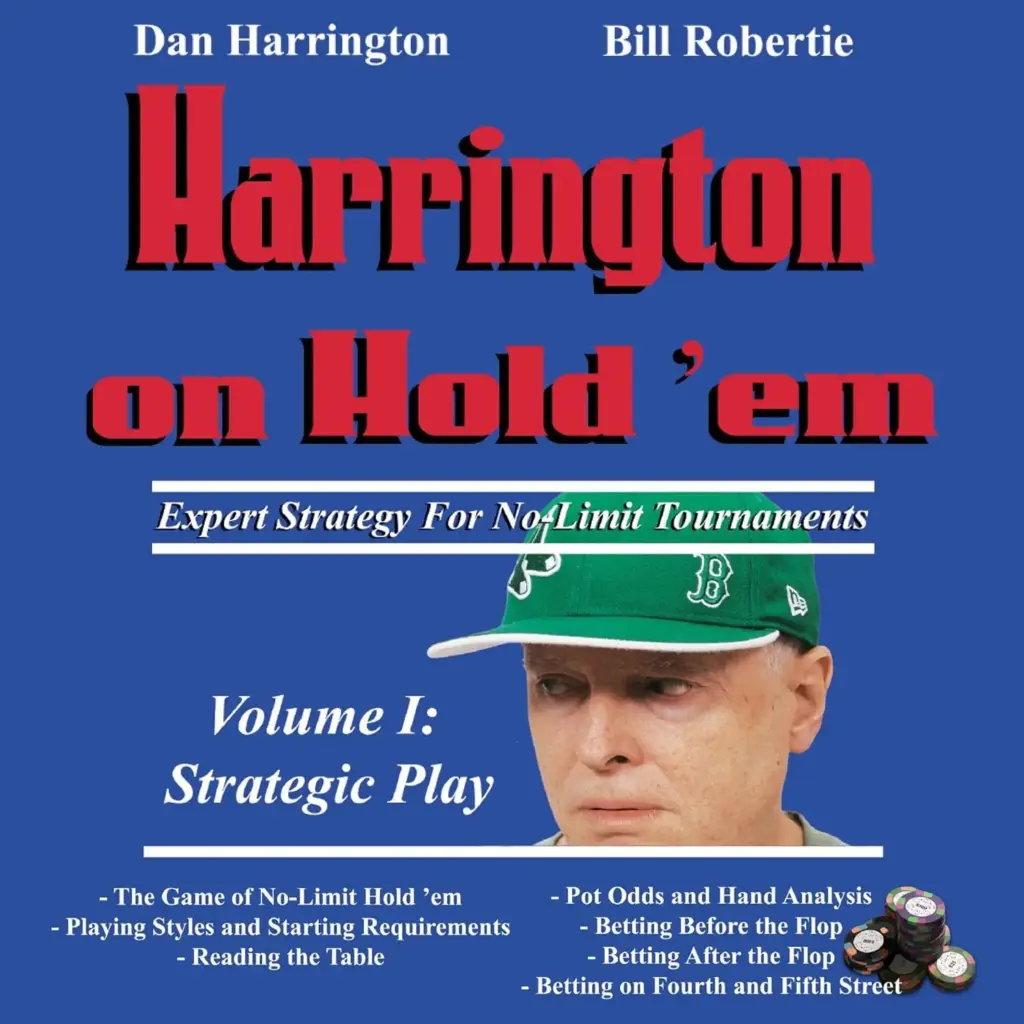
Harrington on Hold’em (Volume 1: Strategic Play) has long been considered a foundational text for tournament players.
Dan Harrington explains positional awareness, stack management, and opponent profiling in a structured and easy-to-follow manner. Although modern tournament strategy has evolved, this remains one of the best poker books for understanding core tournament principles.
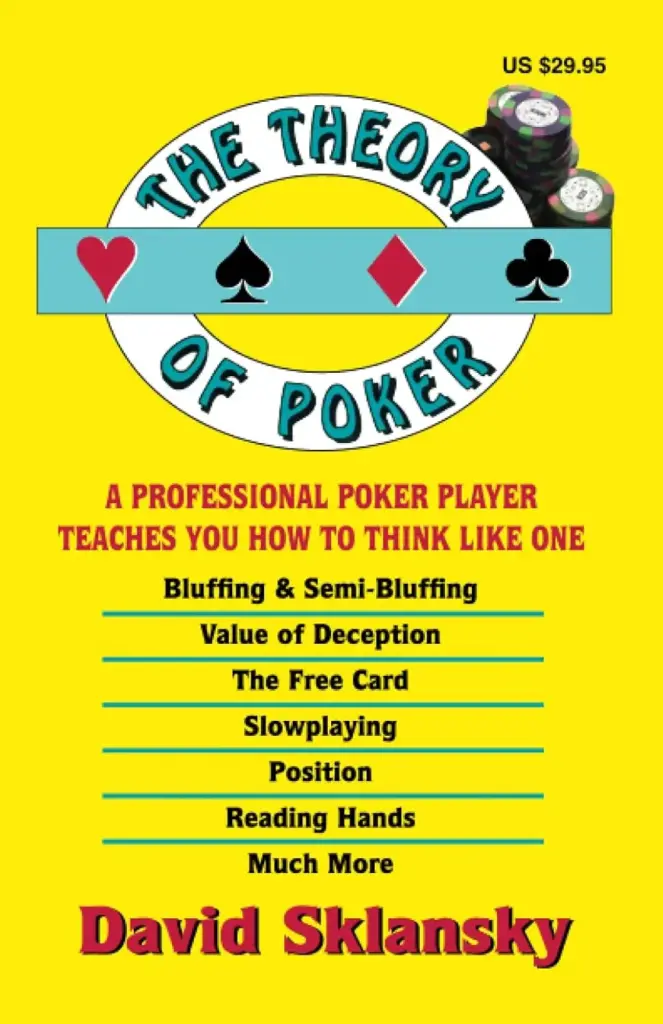
David Sklansky’s The Theory of Poker is widely regarded as one of the most influential poker books ever written.
Rather than focusing on a single format, the book explains universal principles such as bluffing, implied odds, equity, and the fundamental theorem of poker. Even decades after publication, it remains essential reading for anyone who wants to understand the strategic backbone of the game.

Matthew Janda’s Applications of No-Limit Hold’em takes a more analytical and theory-driven approach to strategy.
The book introduces concepts such as balanced ranges, optimal bet sizing, and structured postflop play. While it requires some prior knowledge, it remains one of the best poker books for advanced players looking to refine their understanding of modern No-Limit Hold’em strategy.
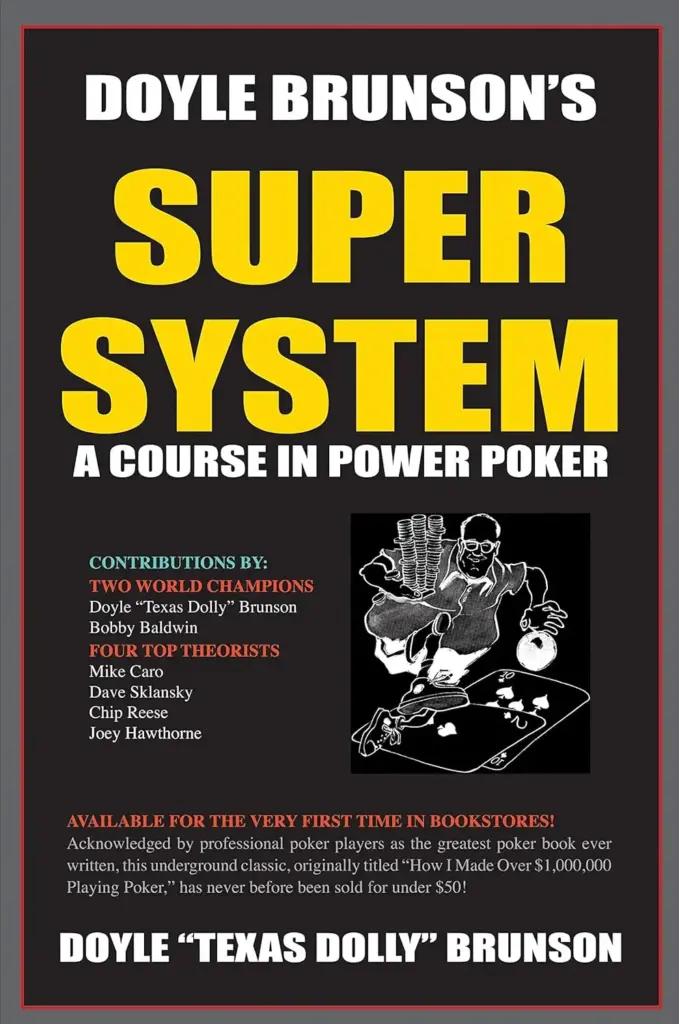
While many believe it to be outdated, Doyle Brunson’s Super System still holds the title of the Poker Bible. Written by the Godfather of Poker himself, it introduces many concepts that were completely new and unique at the time the book was released.
Even if the level of competition has increased significantly in today’s modern poker world, Super System is still a valuable read.
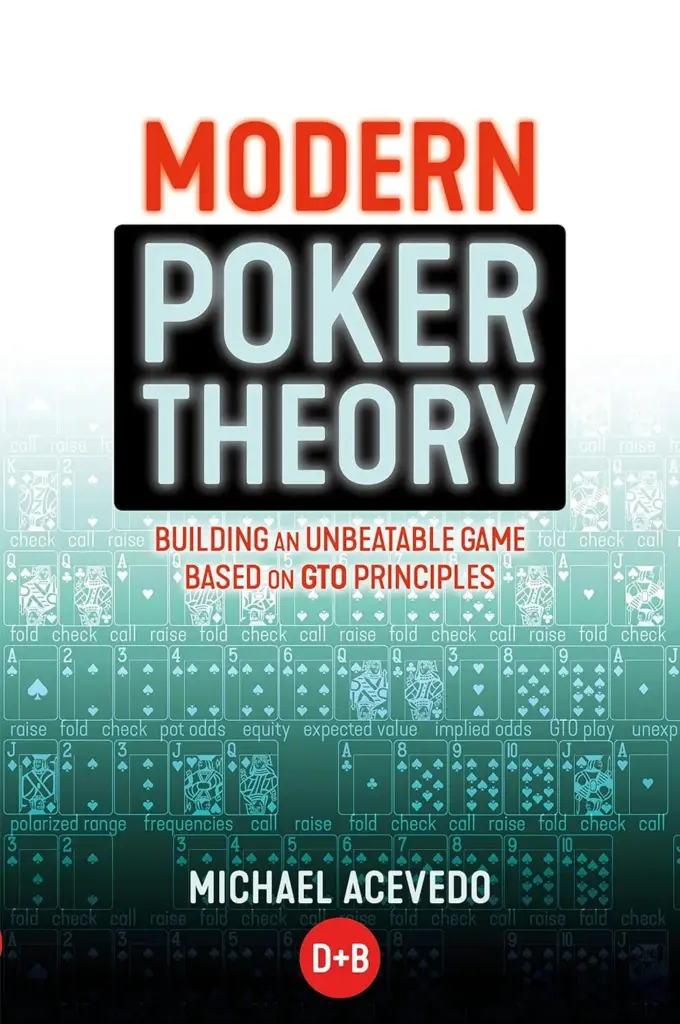
Modern Poker Theory by Michael Acevedo represents the bridge between traditional poker literature and the modern solver era.
This book explains Game Theory Optimal (GTO) concepts in a structured and practical way, covering preflop construction, postflop play, range building, and equilibrium strategies. Unlike many older poker books, it aligns closely with how today’s strongest players study and approach the game.
While it is not only for beginners, Modern Poker Theory stands out as the best overall poker book in 2026 for serious players who want to build a technically sound, balanced strategy that holds up against tough competition.
There are many great poker books written, so naturally, all of them can't fit a top 10 list. To give some extra juice, we put together some bonus picks for the best poker books for beginners that will help you not only master the basics, but also have fun on the way.
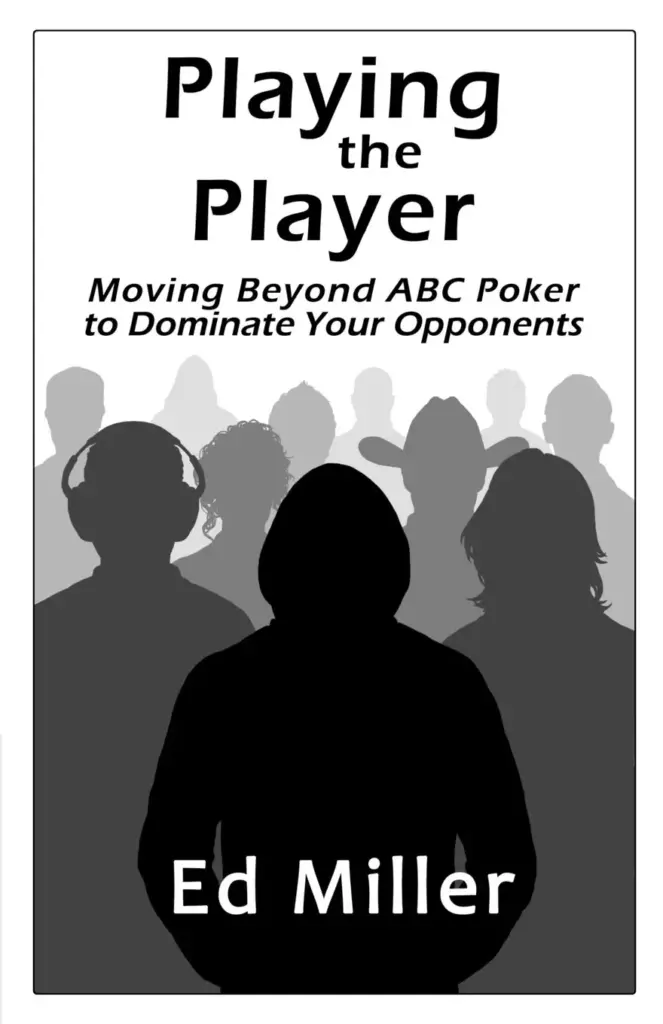
It is often said that poker is a game of people played with cards. While most players understand the meaning of this saying, how does it influence the way you play? Leave it to Ed Miller to explain it all in his poker book called Playing The Player, taking things to the next level.
Learn how to adjust to different playing styles and tendencies and how to make money off of these tendencies on the spot. Master the art of quickly spotting your opponents’ weaknesses and pound on them.
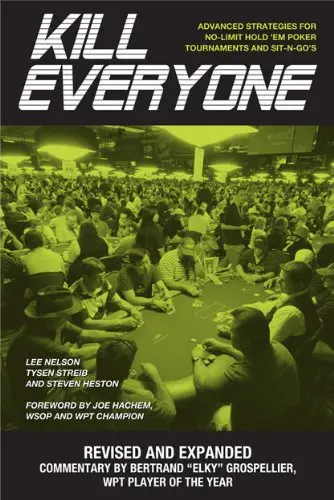
Although it was released back in 2007, Lee Nelson’s poker book Kill Everyone is a must-read for all tournament players, but it is a good read for every poker player in general.
The book explains the importance of well-timed aggression and how it can completely transform your game. Learning concepts presented in Kill Everyone can help you see poker with an entirely new set of eyes.
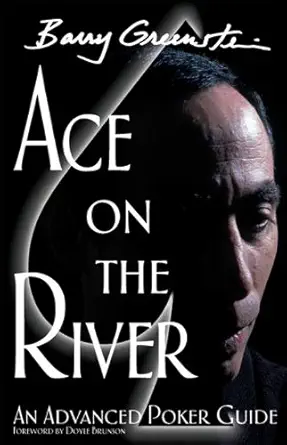
Barry Greenstein is one of the most iconic poker players who’s been a regular on the tournament circuit and in the highest stakes cash games for decades. His book, Ace on the River: An Advanced Poker Guide, represents an excellent read for everyone, from complete newbies to seasoned pros.
In this poker book, Greenstein doesn’t just talk about strategic ideas but also paints a much broader picture of the life of a professional player.
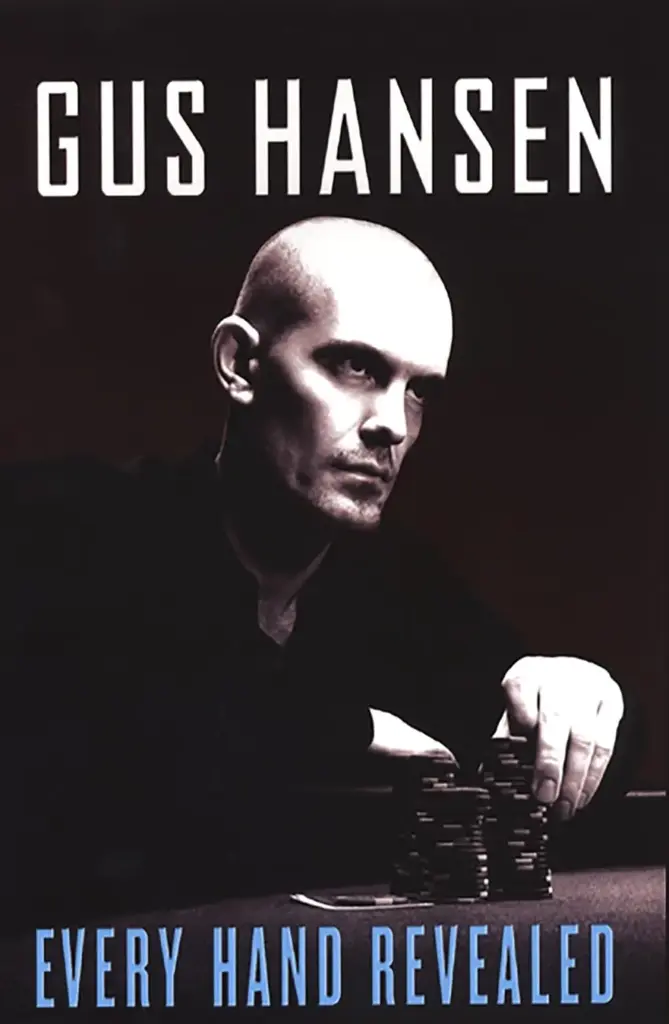
Gus Hansen may not be as popular as he once was, but at one point, he took the world of tournament poker by storm with his uniquely aggressive style.
In his poker book named Every Hand Revealed, Hansen describes his way to the 2007 Aussie Millions win, revealing all the important poker hands that led to this success and explaining his thought process behind each and every single one of them.
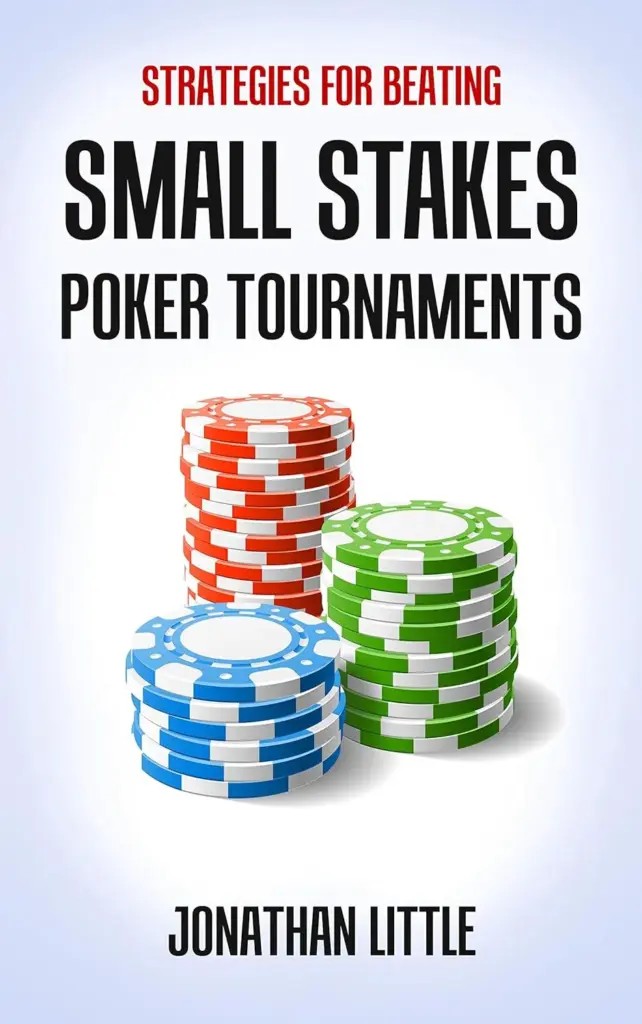
To master your poker skills and build that bankroll, you have to start somewhere – and small stakes tournaments present an excellent opportunity.
In his book, Little talks about very specific strategies and adjustments you’ll need to dominate poker tournaments at lower stakes and build your way up to the big stage. Without knowing how to make these adjustments, you will not be able to move up in the stakes, so this is a good read if you are just starting playing tournaments.
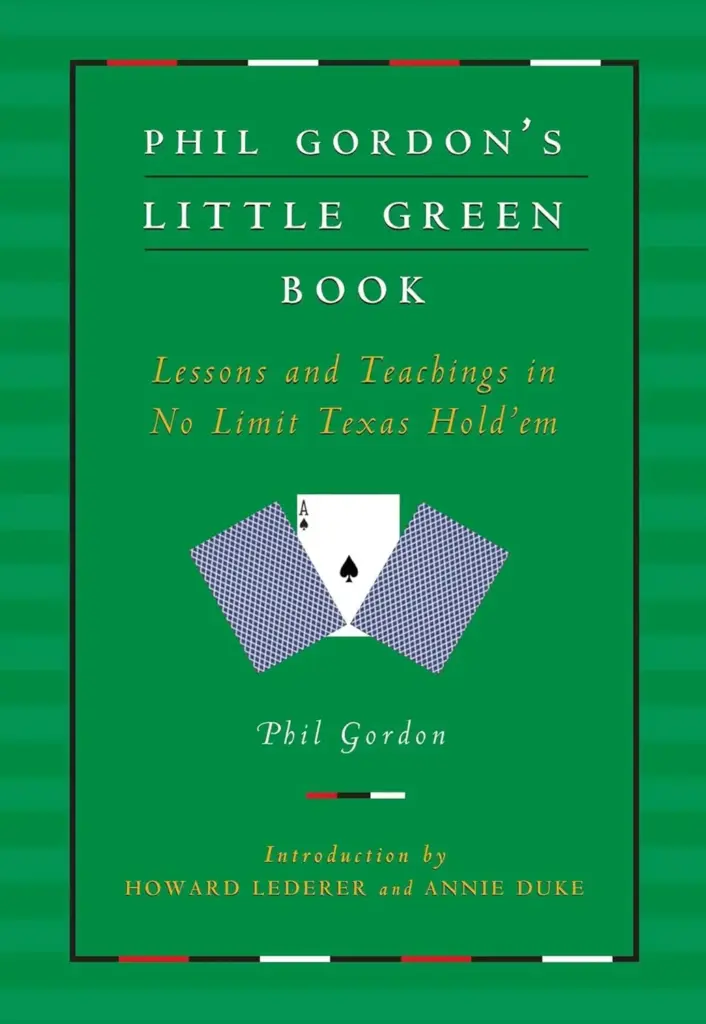
Published in 2005, Phil Gordon’s Little Green Book is somewhat of a poker classic. He played with the best players in the world, and now shares what he learned on the way.
While some will argue that concepts and ideas presented in Gordon’s book are somewhat outdated, it will help you develop your poker mind and create your own style of play, and that never goes out of style.
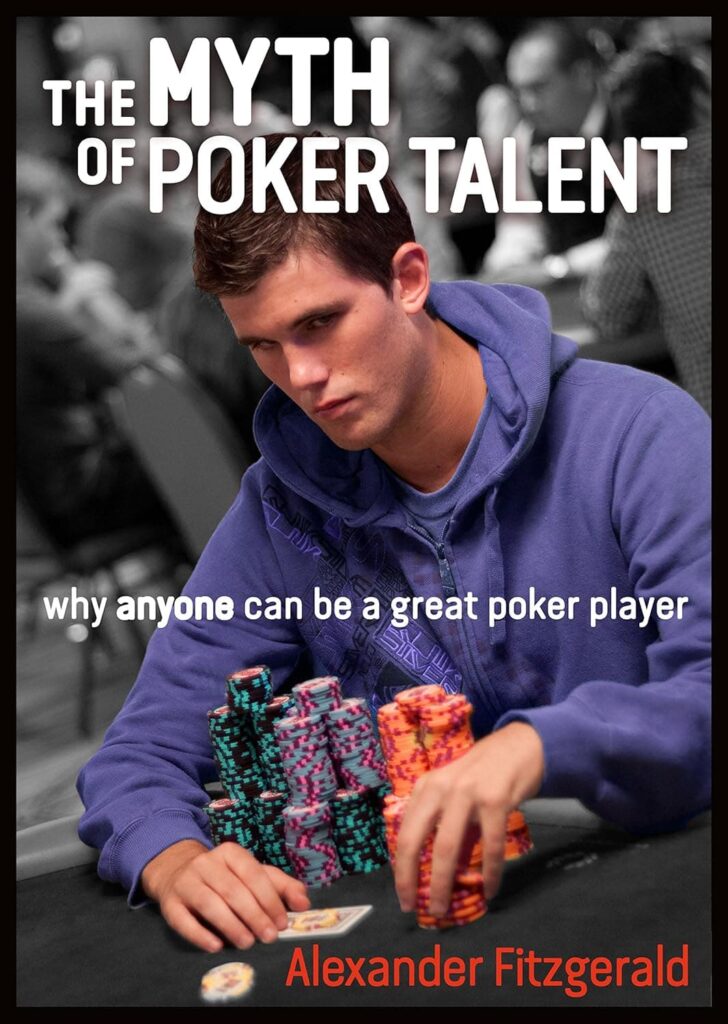
Are the best players in the game just talented individuals who were born that way? Not according to Fitzgerald, whose book The Myth of Poker Talent will teach you how success is mostly related to how hard you work on improving your game.
Talent helps, but it’s not crucial to you becoming a winning player, and only your dedication to the game is a deciding factor. The author teaches how to overcome this false belief and learn what actually matters.
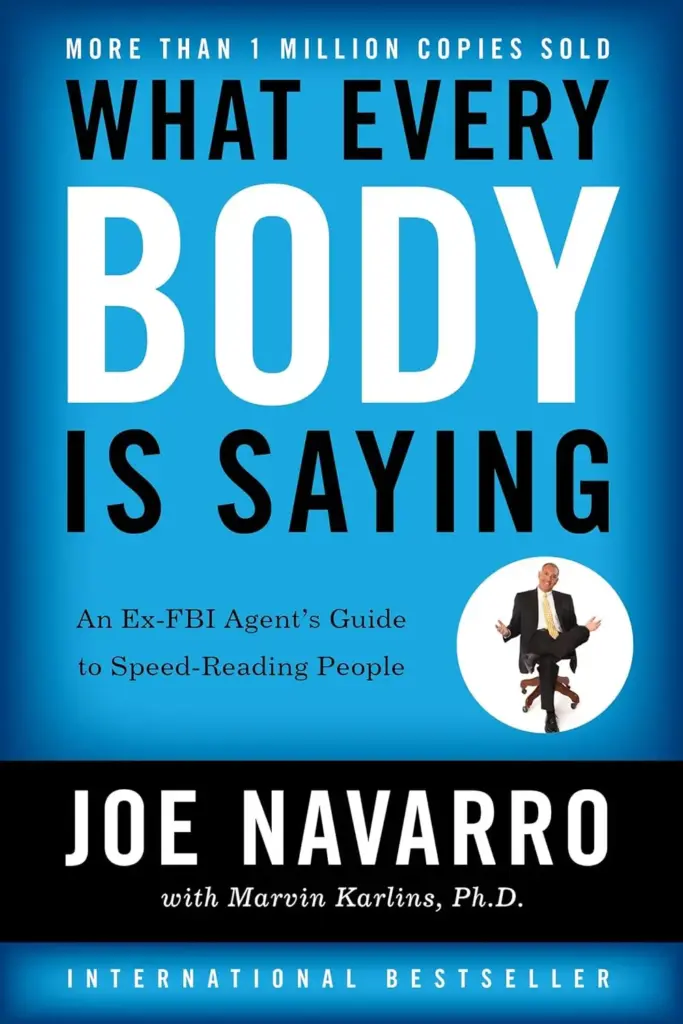
Written by Joe Navarro, a former FBI agent, this is another great book covering poker tells. No matter what format you decide to play, tells will be an important part of the game if you’re playing live, so this is definitely a good read.
Joe covers people's instincts, the side of behavior players are very unlikely to control and give actionable tips on how to take advantage of this information.
Poker books are an amazing source to have a good time and learn a thing or two, but if you want the most up-to-date information and learn how to play poker, you can also check poker training sites.
If you are just starting, you can grab my free poker cheat sheets and instantly hit the tables with new knowledge so that you can win even more or dig into one of many strategy articles on this site!
Reading the best poker books is only the first step. To truly improve, you need real table experience against different player types and stack depths.
If you're looking for trusted online poker sites to practice your strategy, we’ve put together an updated list of recommended sites where serious players compete in 2026.