
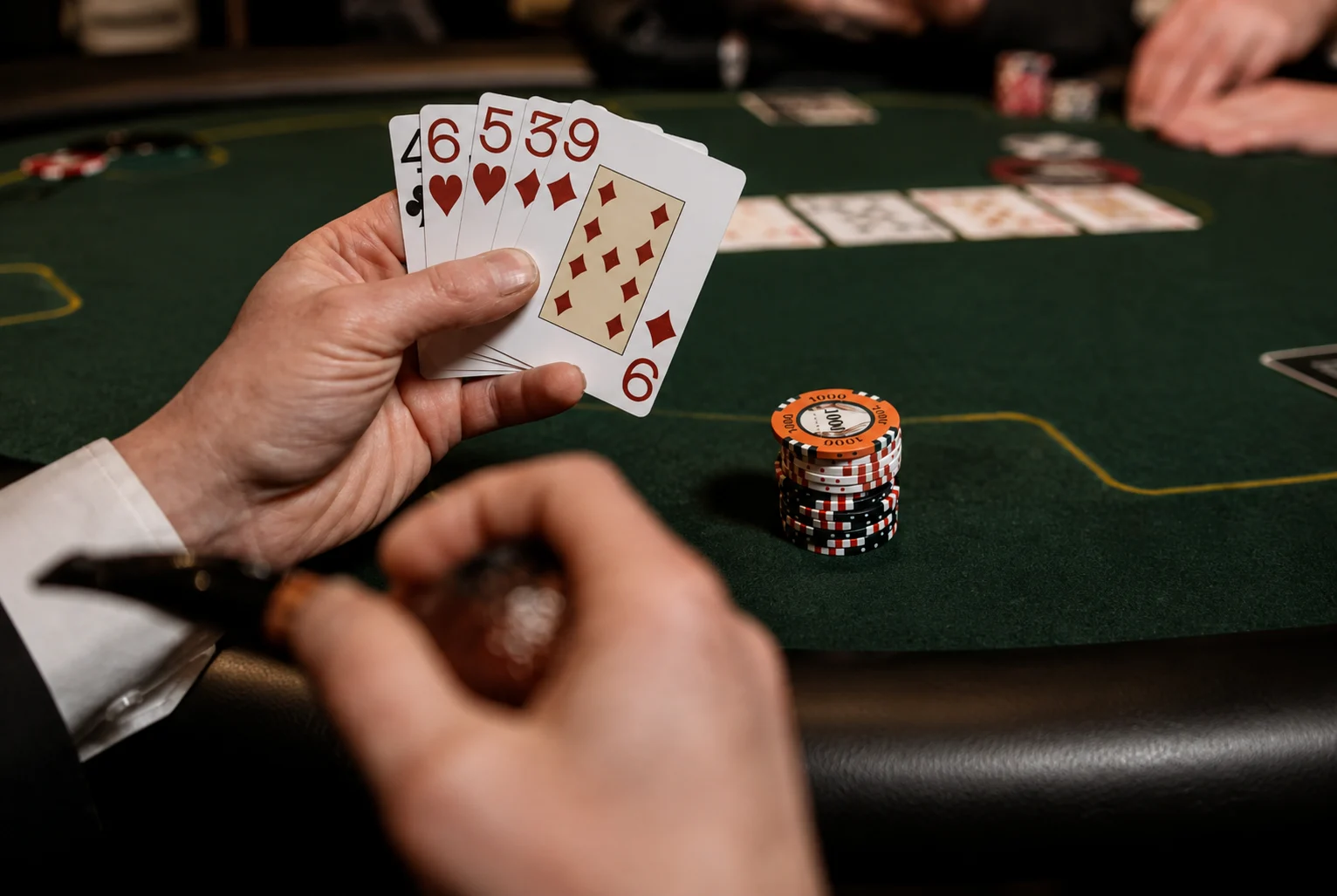
5 Card PLO strategy is becoming increasingly relevant as five-card Omaha continues to attract players looking for more action and more complex poker decisions. Also known as PLO5 or 5 Card Omaha, the game takes the familiar Pot-Limit Omaha format and adds a fifth hole card, a seemingly small change that has a surprisingly large impact on how hands are played.
The extra card creates more possible combinations, stronger draws, more redraws, and more difficult decisions. For recreational players, this can make PLO5 particularly appealing: more hands appear playable, big pots are more common, and the game can produce the kind of action that makes Omaha so entertaining in the first place.
For experienced PLO players, however, those same characteristics can make the game considerably harder to master. Hand strength becomes more difficult to evaluate, equity can run much closer, and the additional combinations create more opportunities for opponents to hold powerful draws or redraws. As a result, strategies and assumptions that work well in four-card PLO cannot always be transferred directly to PLO5.
In this article, we'll look at what makes 5 Card PLO different from regular PLO, why the format can be so attractive to recreational players, why it presents a greater challenge for regulars, and how the additional card affects complexity and variance. We'll also look at where the format is heading, with six-card Omaha already available in some online poker rooms.
What Is 5 Card PLO?
5 Card PLO is a variation of Pot-Limit Omaha in which each player receives five hole cards instead of four. The basic rules remain the same: players must use two hole cards and three community cards to make their five-card poker hand.
That extra card may sound like a relatively minor change, but it significantly increases the number of possible combinations available to each player. In traditional PLO, four hole cards create six possible two-card combinations. With five hole cards, that number increases to 10, giving players considerably more ways to connect with the board.
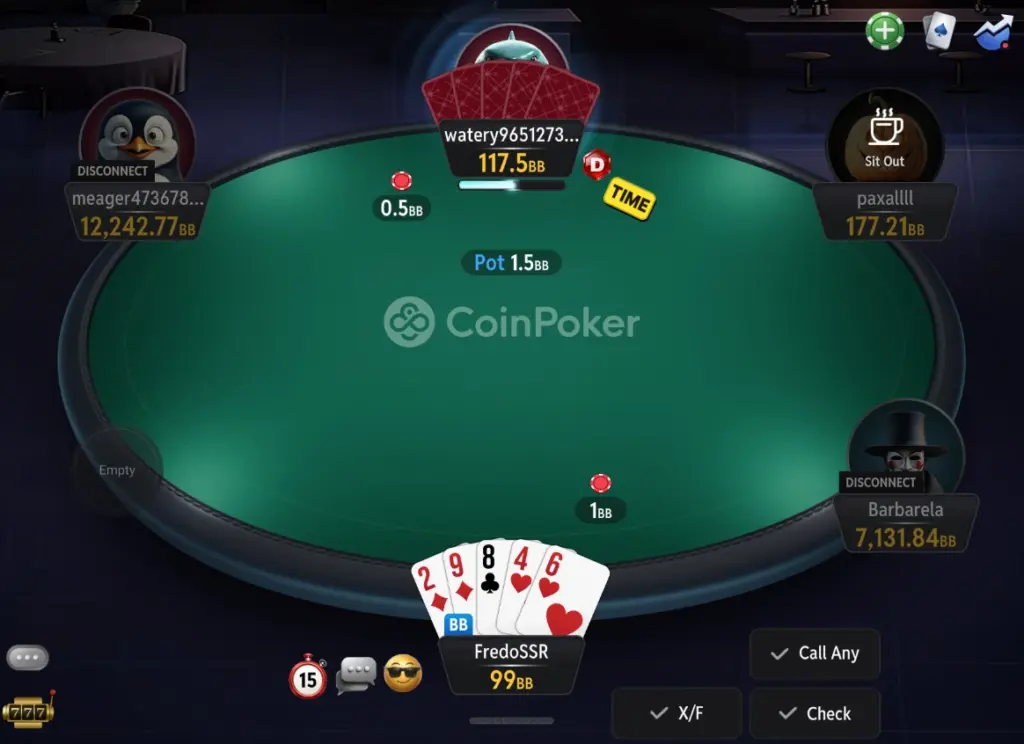
This also means that PLO5 produces more potential draws, redraws, and strong combinations than regular PLO. A hand that might look extremely powerful in four-card PLO can be much more vulnerable when opponents have an additional card to work with.
The result is a game that still follows the familiar principles of Pot-Limit Omaha, but with a considerably larger number of possible outcomes. Understanding how that fifth card changes hand strength and equity is therefore essential to developing a successful 5 Card PLO strategy.
PLO4 vs PLO5: What Does the Fifth Card Change?
At first glance, the difference between PLO and PLO5 seems simple: one extra hole card. In practice, that additional card completely changes the math regarding the number of possible combinations, the strength of draws, and the frequency with which players can make powerful hands.
To truly understand the massive scale of this mathematical jump, just look at the total number of possible starting hand combinations across the different formats:
- No-Limit Hold'em: 1,326 combinations
- PLO4: over 270,000 combinations
- PLO5: roughly 2.8 million combinations
This explosive leap, from 270,000 to nearly 3 million starting hands, is exactly why PLO5 feels like an entirely different beast. The most obvious difference for you as a player is the number of two-card combinations available within your own hand. That jump from 6 to 10 combinations gives every player considerably more ways to connect with the board.
| Feature | PLO4 (4-Card Omaha) | PLO5 (5-Card Omaha) |
| Hole Cards | 4 | 5 |
| Two-Card Combinations | 6 | 10 |
| Average Winning Hand | High (Straights, Flushes) | Very High (Nut Flushes, Full Houses) |
| Draw Potential | High | Extreme |
| Redraw Potential | High | Extreme |
| Hand Evaluation | Complex | Highly Complex |
The important point is that the fifth card doesn't just give you another way to make a hand; it also gives your opponents more ways to make one. A player holding five cards has more opportunities to pick up straight draws, flush draws, sets, two-pair combinations, and combinations of made hands and draws.
PLO5 vs PLO4: Which Game Is Harder?
A common debate in the community revolves around which format is actually harder to play. The answer depends heavily on how you define “harder.”
If we are talking about understanding the rules and getting action, PLO5 is arguably easier for beginners to jump into. You get more cards, you hit the board more often, and you get to play bigger pots. However, if we are talking about mastering the game and maintaining a high win rate, PLO5 poker is undoubtedly the harder game for several reasons.
| Aspect | PLO4 Difficulty | PLO5 Difficulty | Why PLO5 is Harder to Master |
| Preflop Ranges | Established and solved | Highly complex and dynamic | A single “dangler” (an unconnected card) in PLO5 ruins your equity much faster than in PLO4. |
| Equity Realization | Moderate to Hard | Extremely Hard | Equities run so close in 5-card Omaha that protecting your hand post-flop requires immense precision. |
| Mental Game | Tough | Brutal | The increased variance and constant bad beats in PLO5 require a much stronger mental framework to survive without tilting. |
In short, PLO4 is harder to find soft action in today, as the game has been heavily studied. PLO5 is harder mathematically and psychologically, but it compensates by offering significantly softer player pools.
Why Is 5 Card PLO More Complex?
The additional hole card doesn't just create more possible combinations; it makes many poker decisions harder to evaluate. In PLO5, players have more ways to connect with the board, but that also means opponents have more ways to hold strong draws, redraws, and combinations that can overtake an apparently strong hand.
Nut Potential is Everything
One of the biggest differences is nut potential. In PLO5, having a draw to the nuts is generally much more valuable than holding a draw that can only produce a second-best hand. With five cards available, players can have multiple draws working together, making it increasingly important to consider not only what your hand is now, but what it can become on later streets.
The Power of Redraws
Redraws are another major factor. A hand can be ahead on the flop while still being vulnerable to several turn and river cards. For example, a made straight may have to contend with a higher straight draw, a flush draw, or a full-house redraw. The fifth hole card gives players more opportunities to hold these additional outs.
This also makes hand evaluation more difficult. In a game where everyone has five cards, a strong-looking combination is not necessarily a strong hand in absolute terms. Players need to consider how well their hand connects with the board, whether they hold the nut version of a draw, and how many ways their opponents can improve.
Why Is PLO5 So Appealing to Recreational Players?
One of the most interesting aspects of PLO5 is that the same characteristics that make the game more difficult to master can also make it extremely attractive to recreational players. With five hole cards, players are dealt more combinations, more draws, and more opportunities to connect with the board, which makes the game feel considerably more action-packed than traditional PLO.
For a recreational player, that can be a major part of the appeal. Five-card starting hands often look connected or playable in some way, creating more situations where players can see a flop with a hand that has multiple potential ways to improve. When those draws come together, the resulting pots can be much larger and the showdowns much more dramatic.
PLO5 also creates more opportunities for players to experience the short-term excitement that makes poker attractive in the first place. A player can start with a wide variety of holdings and still find themselves involved in significant pots because of the number of possible draws.
However, more action does not mean an easier game. This creates an interesting dynamic: 5-card PLO can be more entertaining to play without necessarily being easier to beat.
Why Is PLO5 Harder for Regulars?
The additional action that makes PLO5 attractive to recreational players also creates a significant challenge for regulars. The problem is not simply that there are more cards to consider; there are more ways for an opponent to have a strong hand, a strong draw, or a powerful redraw.
One of the biggest adjustments is learning not to overvalue hands that would be considered strong in traditional PLO. A made hand can be ahead on the current street while still being vulnerable to a large number of turn and river combinations.
- More combinations make hand reading harder: With five hole cards, the number of possible holdings an opponent can have increases substantially. This makes it harder to narrow their range based solely on the board and betting action. A board that looks relatively harmless in PLO4 can become a minefield in PLO5.
- Strong hands can be deceptively fragile: A set, a low straight, or a two-pair hand may look excellent in isolation, but your opponent has an additional hole card compared to PLO4. That extra card can create additional draws that dramatically change the equity of the situation.
Ultimately, PLO5 rewards players who think beyond the strength of their current hand. The relevant question is not just “How strong is my hand?” but also “How many ways can my opponent improve, and how many ways can I improve while remaining ahead?”
Why Does PLO5 Have More Variance?
The increased complexity of PLO5 also has an important consequence: the game produces highly volatile short-term results. While variance depends on table composition, player tendencies, and game structure, several characteristics of PLO5 naturally contribute to wilder swings.
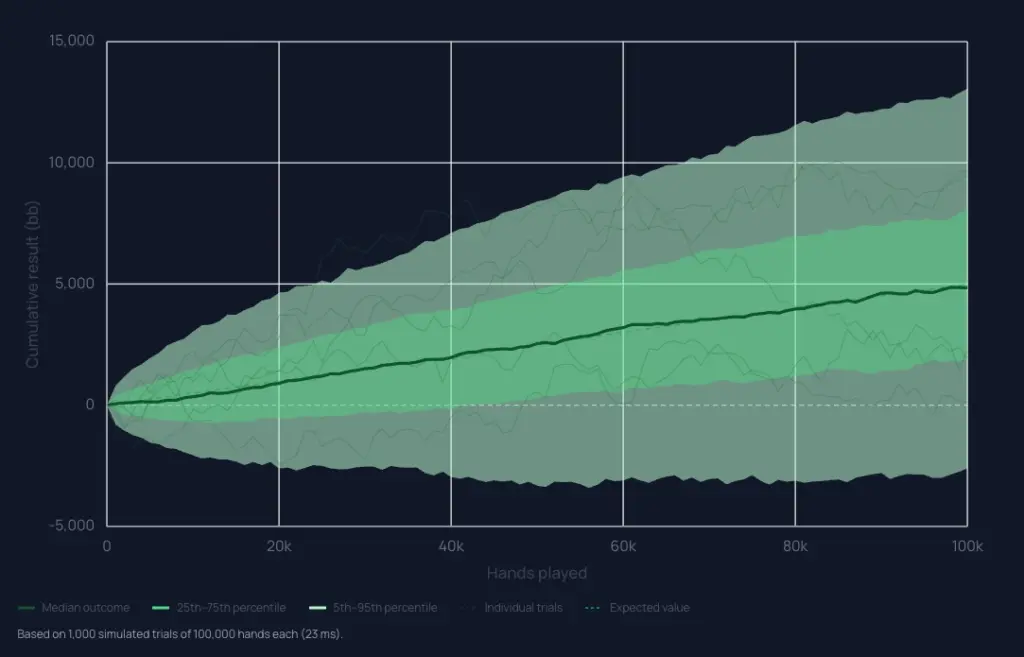
To understand the brutality of Omaha variance, look at the simulation above. It shows the possible outcomes for a solid, winning player (with a 5 bb/100 win rate) over 100,000 hands in traditional PLO. Despite being a proven winner, the player can easily experience downswings of 25+ buy-ins or even end up losing money over a huge sample due to variance. In PLO5, where equities run even closer, these swings become significantly wider, making a massive bankroll an absolute necessity.
One is the greater number of possible draws and redraws. A player can be well ahead on the flop and still have to navigate a large number of turn and river cards that change the outcome.
Furthermore, the additional card creates more situations where equities run relatively close together. When players have multiple draws and potential combinations available, it becomes more common for substantial portions of the stack to go into the middle without one player having an overwhelming advantage (e.g., a 55% vs. 45% all-in scenario on the flop).
More ways to improve means more ways to lose. Your fifth card gives you additional ways to improve, but it gives your opponents the same advantage. As a result, short-term results can be particularly noisy in PLO5.
Players moving from traditional PLO to PLO5 should not assume that a bankroll requirement that worked for their previous game will automatically be sufficient for the five-card version. The larger potential swings make having an adequate cushion (often 100+ buy-ins) particularly important.
5 Card PLO Strategy: What Should Players Do Differently?
Moving from standard PLO to PLO5 is not simply a matter of adding one more card to an existing strategy. The additional combinations change which hands are valuable, how draws should be evaluated, and how aggressively players should approach marginal situations. Here are the core adjustments you must make to your 5 card PLO strategy:
1. Tighten Up Preflop (Beware the “Dangler”)
In PLO, holding a hand like A-K-Q-4 (where the 4 is mostly useless) is a disadvantage, but it can be played in certain positions. In PLO5, holding a “dangler” (a card disconnected from the rest of your hand, like A-K-Q-J-3) is disastrous. Because your opponents have 10 combinations to work with, playing a hand where one card is dead means you are playing with a severe mathematical handicap. You want all five cards working together seamlessly (e.g., double-suited, heavily connected rundowns).
2. Prioritize Nut Potential
In PLO5, the ability to make the nuts, and remain capable of improving to the nuts, becomes paramount. A hand with several attractive draws is not a strong hand if most of those draws lead to second-best combinations. Pay close attention to whether your straight and flush draws are to the absolute nuts.
3. Leverage Blockers
Blockers are important in No-Limit Hold'em and PLO4, but they are absolutely critical in PLO5 poker. Because you hold five cards in your hand, you hold nearly 10% of the remaining deck. If you hold three of a specific suit, it becomes significantly harder for your opponent to have a flush. Good players use this extra card removal effect to run highly profitable bluffs and make hero folds.
4. Redraws Matter More Than Ever
A major adjustment for PLO players is learning to evaluate what happens after making a hand. You may currently hold the best hand (the “current nuts”) but still have poor equity because an opponent can improve on many turn or river cards. Be cautious about committing large amounts of money with made hands that have zero ability to improve.
5. Position is King
With more possible combinations and more difficult postflop decisions, acting with information becomes increasingly valuable. Position allows players to control pot size more effectively, realize their equity more consistently, and take free cards when complex draws develop across multiple streets.
Is Five Card PLO the Future of Omaha?
Five-card Omaha may seem like the natural next step beyond traditional PLO, but the evolution of Omaha does not stop at five hole cards. 6 Card Omaha, or PLO6, is already available on major online poker platforms, giving players yet another way to increase the number of possible combinations and create even more action.
At GGPoker, players can currently choose between regular PLO, PLO-5, and PLO-6. CoinPoker also offers 6 Card Omaha, including Pot-Limit cash games and tournaments. In 6 Card Omaha, players receive six hole cards but must still use exactly two of them together with three community cards to make their final hand.
That extra card pushes many of the characteristics we have already seen in PLO5 even further. PLO6 is a higher-action variant with even more potential for big hands and variance. The progression is therefore becoming increasingly clear:
PLO → PLO5 → PLO6
For players accustomed to traditional four-card Omaha, PLO5 can already feel like a major jump in complexity. PLO6 demonstrates that the demand for even more action and increasingly complex Omaha variants is not necessarily slowing down.
Whether six-card Omaha will ever approach the popularity of traditional PLO is another question. But the fact that major online poker rooms are already heavily promoting these games suggests that PLO5 is not necessarily the final destination for players looking for the next evolution of Omaha.
Ready to Try PLO5 and PLO6? (Exclusive CoinPoker Bonus)
If you are looking to jump into the wild action of 5-card or even 6-card Omaha, CoinPoker is currently one of the best platforms to test your skills. They offer active PLO5 and PLO6 tables with incredibly soft action.
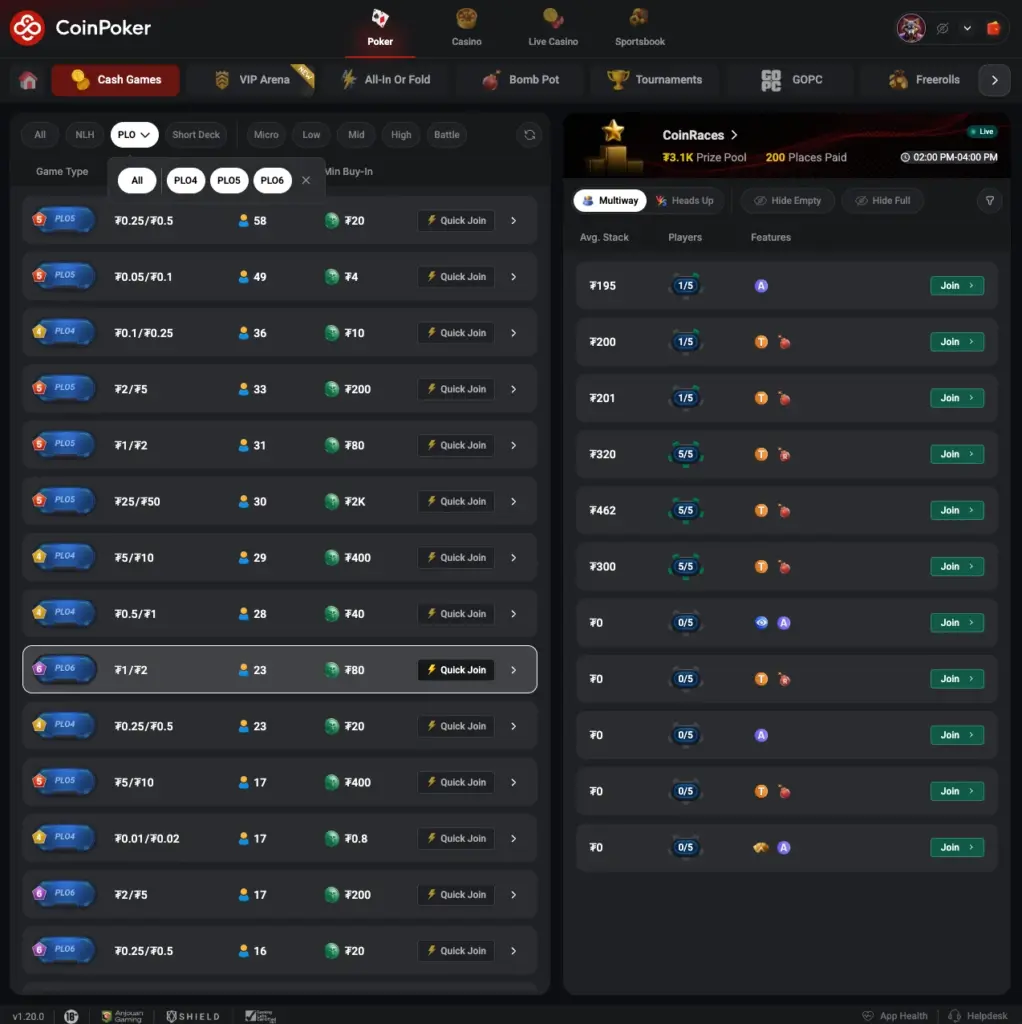
Right now, new players can take advantage of a massive welcome offer to help absorb the natural variance of these games. By creating an account and using the exclusive CoinPoker promo code VIPBONUS, you will receive a 150% first deposit bonus up to $2,000 (with a minimum qualifying deposit of just $10). It is the perfect bankroll boost to start your PLO journey.
Final Thoughts on 5 Card PLO
Five-card Omaha is not just a passing trend; it is rapidly becoming the game of choice for action-hungry recreational players and regulars who are willing to adapt. While the fifth card introduces higher variance and a steep learning curve, it also creates incredibly profitable situations for those who take the time to master it.
If you are transitioning from traditional PLO4 to 5 card PLO, the key takeaways are clear: respect the extra combinations your opponents hold, tighten up your starting hand requirements (avoid those dangerous danglers!), and always prioritize absolute nut potential.
Make sure your bankroll is deep enough to handle the inevitable swings, utilize blockers to your advantage, and stay disciplined post-flop. Embrace the complexity of the game, study the nuances, and you will find that PLO5 is one of the most exciting and rewarding formats in modern online poker and live poker too.
FAQ About 5 Card PLO