
A poker straddle is a voluntary blind bet that players can use to increase the stakes and action in a cash game before the cards are dealt. While straddles are most commonly associated with live poker, some online poker sites also offer straddling in certain games.
Straddling can significantly change the dynamics of a poker game, affecting the effective stack sizes, preflop action, and strategy at the table. There are also several types of straddles, including the classic UTG straddle, Mississippi straddle, button straddle, and sleeper straddle.
In this guide, we'll explain what a straddle is, how the different types work, how straddling affects the game, and how to adapt your strategy when playing at a straddled table.
What Is a Straddle in Poker?
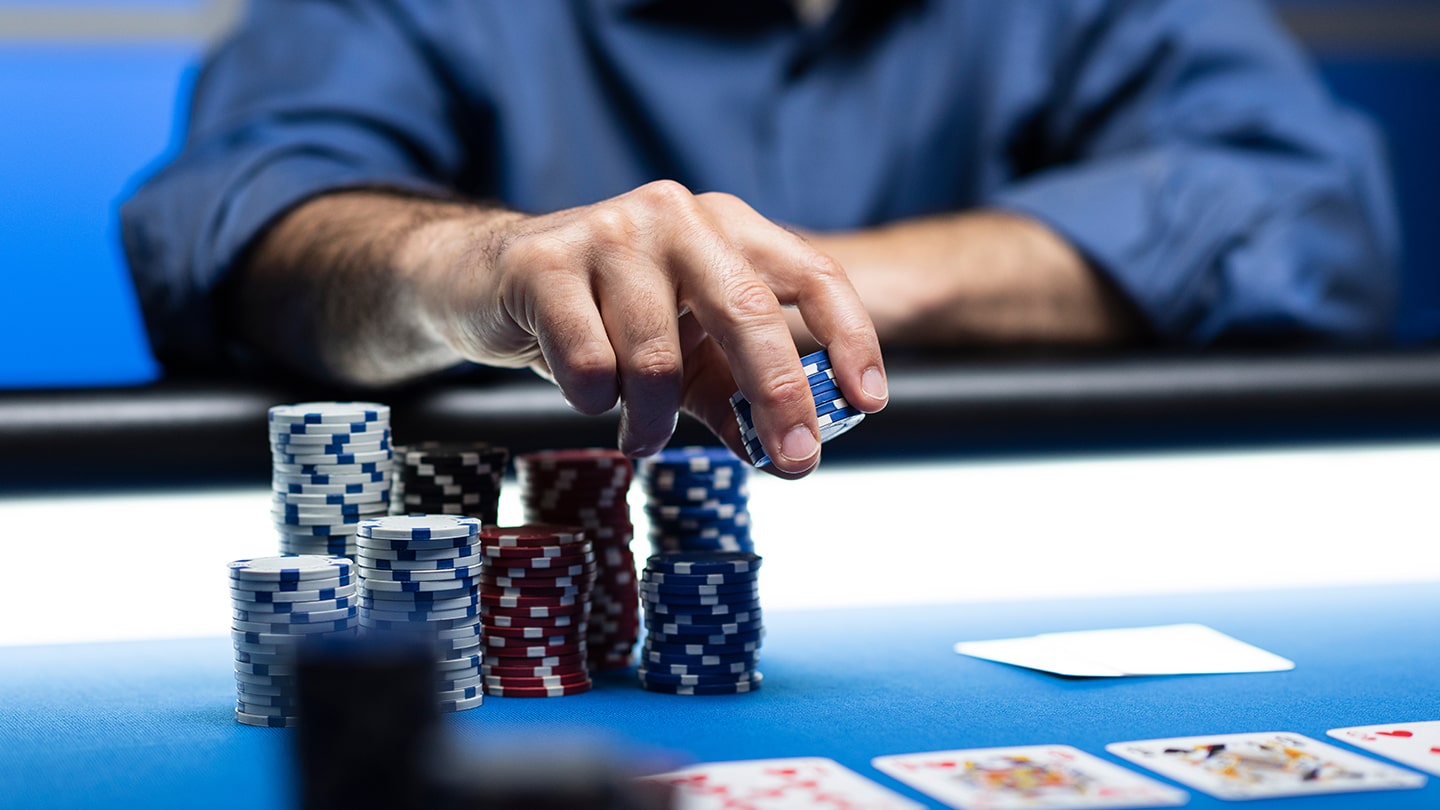
Forced bets are an integral part of poker games like Texas Hold’em and PLO, with the two players sitting to the left of the button posting the small blind and the big blind every hand.
A straddle in poker is another blind bet made before the cards are dealt, doubling the big blind.
The straddle is not part of the original poker rules, and it is most commonly associated with cash games rather than tournaments. It is generally voluntary, although the exact rules can vary depending on the poker room or game. Instead, players in many cash games are allowed to post the straddle at their own convenience, with the value usually set at 2x the big blind, and only the UTG player given the option.
In many live poker games, players past the UTG can post further poker straddles, doubling the blind each time. Other players at the table, such as the one seated on the dealer button, may be allowed to post Mississippi Straddle or other bets to spice up the action before the cards are dealt.
The key thing to know about the straddle in poker is that it must be posted before the player posting it has seen any of their cards, effectively making it just another blind bet.
The Classic Poker Straddle
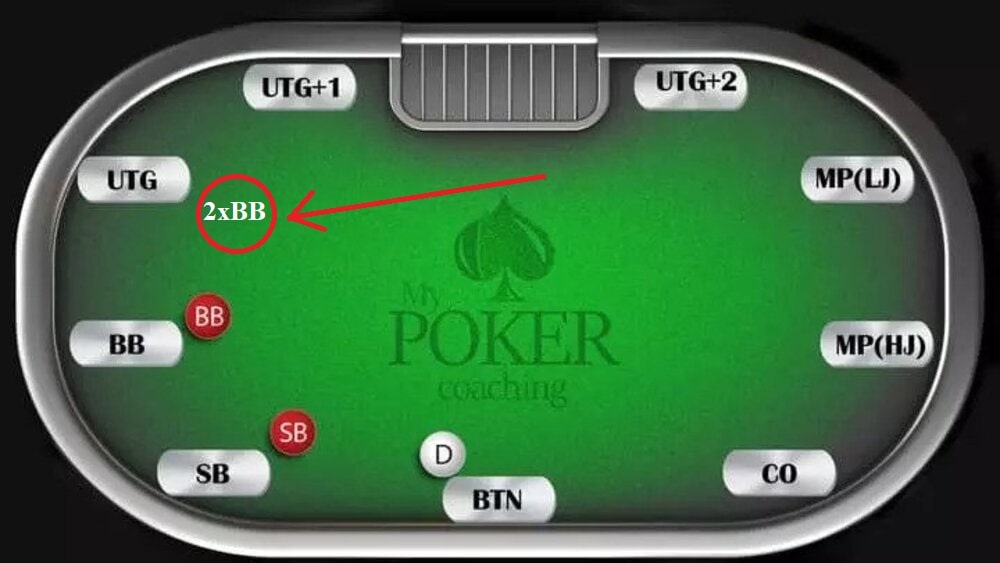
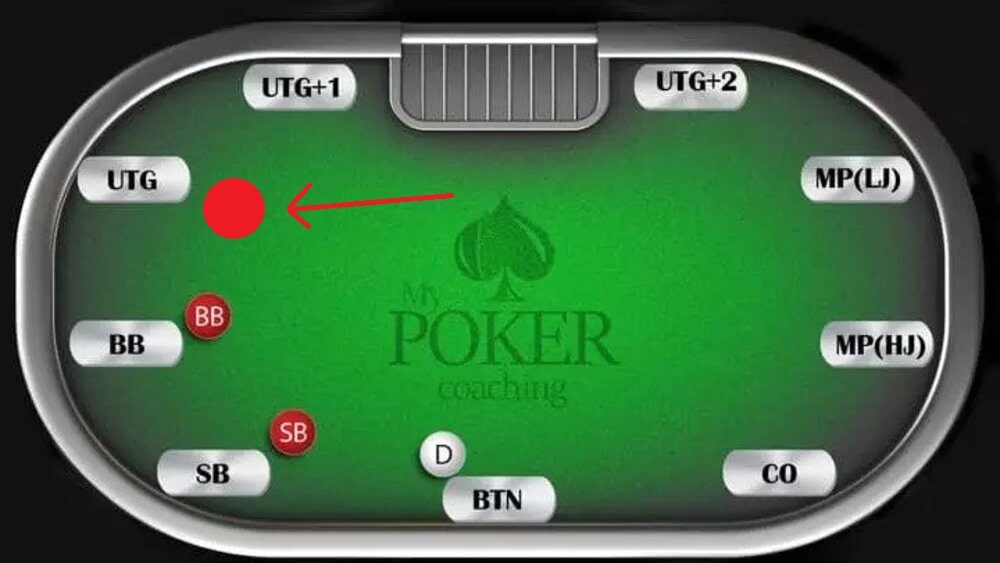
In most live poker games, the player sitting to the left of the big blind (UTG) can post a straddle, doubling the big blind and buying the option to act last before the flop.
The straddle is typically set at 2x the big blind, although some games allow players to post a different amount depending on the house rules.
If you play in your local $1/2 game, you may see the UTG player posting a straddle for $4.
Further poker straddles can also be posted, with UTG+1 posting $8, UTG+2 posting $16, etc. In each game, the game host decides how many straddles will be allowed and their size.
When you play private cash games, you may be able to negotiate straddles to set them up in a way that works best for you, while casinos will usually have premade rules for straddling.
The player to the left of the last straddle acts first before the flop, but it’s important to know that all postflop action proceeds as if no straddles were posted in the first place, with the small blind always acting first and the action following clockwise based on poker positions at the table with active players.
The Mississippi Straddle
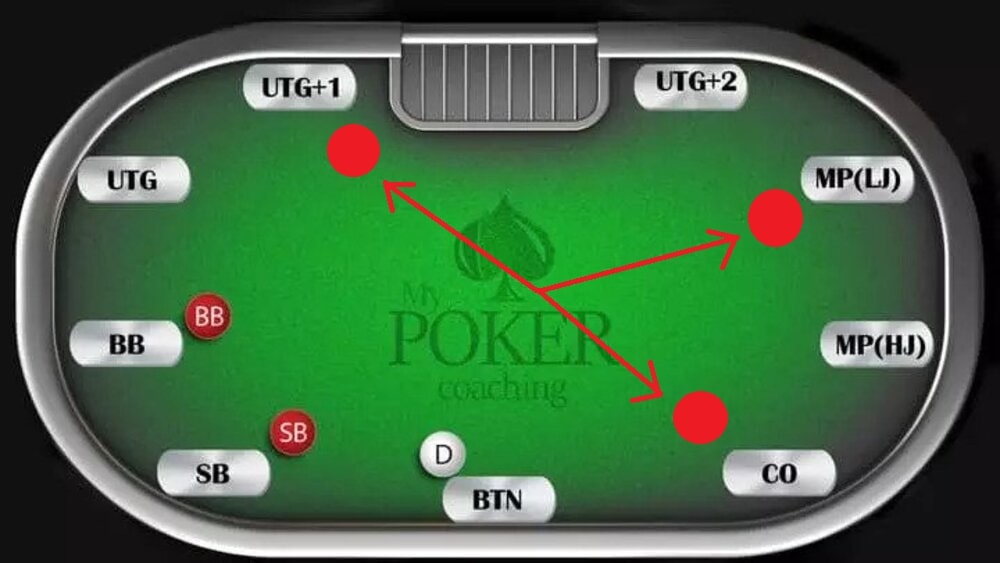
The Mississippi Straddle is a variation that allows a player other than UTG to post the straddle, with the exact eligible positions depending on the rules of the game. In many games, the button is the player who can post the Mississippi Straddle.
Once a Mississippi Straddle is posted, the player who posted it usually goes last before the flop, regardless of their position at the table. Yet, the postflop action order never changes from the game's original rules.
Some games also allow players to re-straddle over the Mississippi Straddle, which can cause absolute chaos in terms of who goes when. Listen to your dealer and remember not to act out of turn when playing in games with Mississippi.
The size of a Mississippi Straddle can also vary depending on the game, so always check the table's rules before posting one.
The Sleeper Straddle
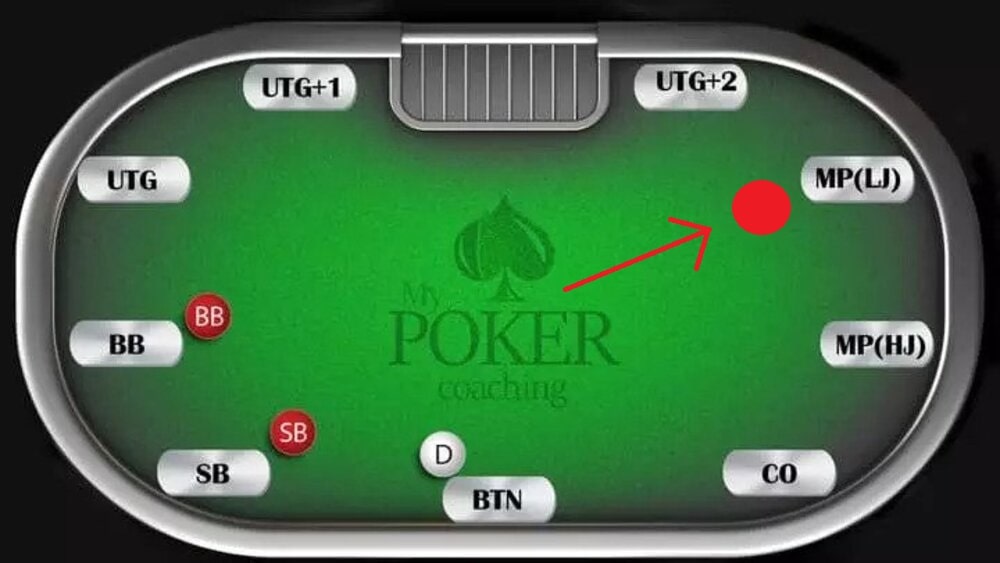
The Sleeper Straddle is a type of straddle that can be posted from positions other than UTG, although the exact rules vary between games.
For example, if you post a $20 Sleeper in a $1/3 game in the Hijack, your Sleeper will only be active if all players fold to you. If one of the players in front of you calls the $20 or makes a raise, you can take your $20 back and act any way you want.
On the other hand, if all players fold to you, your $20 is now active, and the players behind you must now decide how to act against your bet, with the action coming back to you to act last after the big blind.
In games that allow both the regular poker straddle, Mississippi Straddle, or Sleeper Straddle, the host must decide which straddle goes first in case multiple players want to post in the game hand. In most cases, the regular UTG straddle goes first.
The Button Straddle
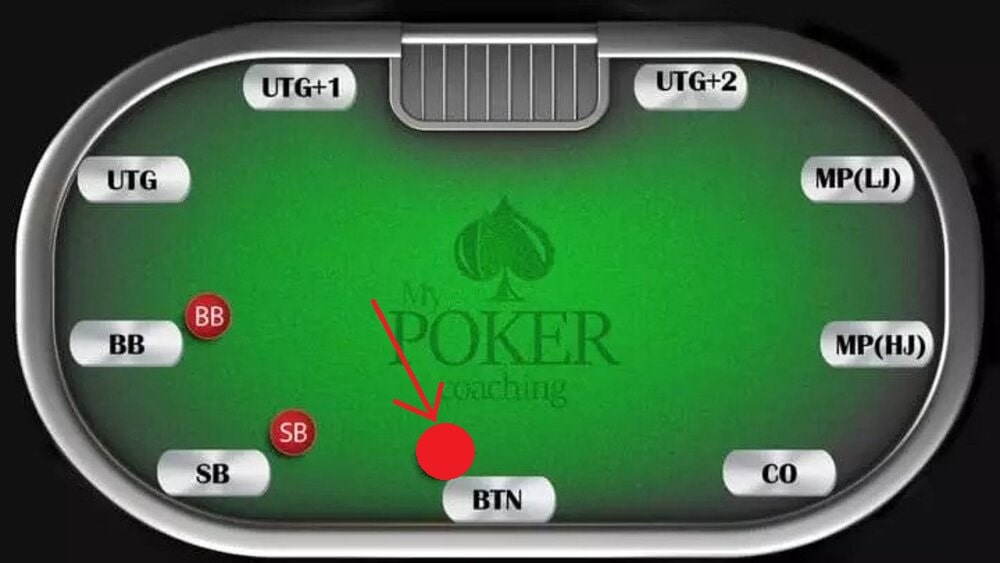
The Button Straddle is another type of poker straddle that can only be posted by the player holding the dealer button. It works similarly to a Mississippi Straddle, although the exact rules and sizing depend on the game.
When a Button Straddle is posted, the small blind typically acts first before the flop. This puts the blinds in an even worse position than usual and really forces them to play extremely tight.
The value of the Button Straddle can be capped or uncapped depending on the game host, with uncapped Button Straddles being very popular in some high-stakes poker games.
How Poker Straddle Affects the Game
So now that you know what a poker straddle is, you may be wondering why players post it, its purpose, and whether or not you should post straddles yourself.
A straddle in poker aims to make the game bigger, plain, and simple.
The main purpose of a straddle is to increase the amount of money in play and create more action at the table. The player posting it does so before seeing their cards, effectively putting additional money into the pot blind.
Because the straddle is posted before the player sees their cards, it puts them at a positional and informational disadvantage compared with a normal hand. Regularly posting a straddle can therefore increase the amount a player invests before seeing their cards, particularly when the straddle is larger than the big blind.
The actual effect of the straddle on the game can vary a bit depending on the table layout. In some games, players start limping more when the straddle is on, while in others, players will aggressively go after the dead money in the pot.
With more money in the pot before the cards are dealt, a straddle generally increases the amount of action and reduces the effective stack-to-pot ratio. How much this changes the game depends on the straddle size, stack depths, and how the players at the table respond to it.
How to Adapt to Straddling in Poker
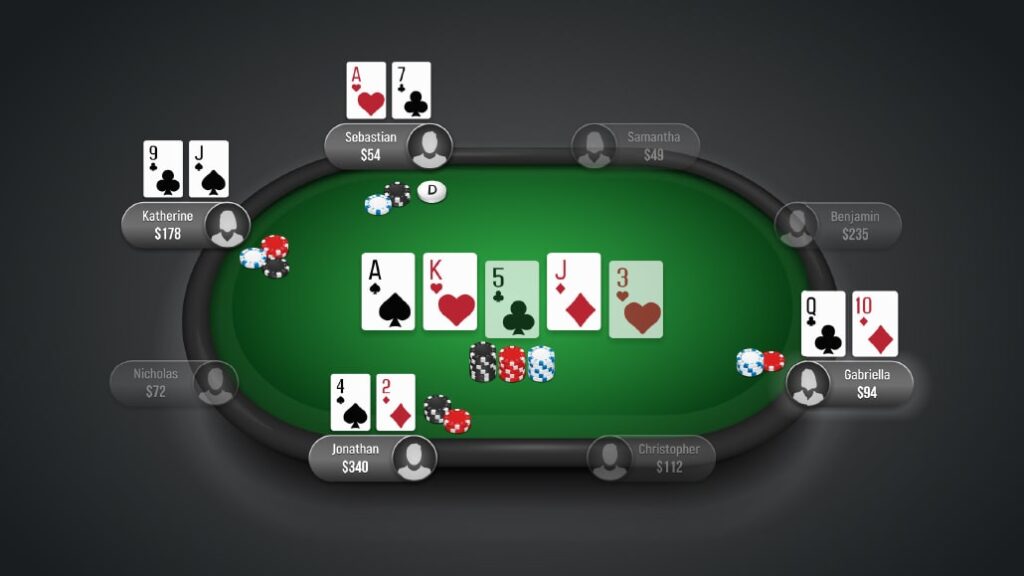
In games with frequent straddling, you need to adjust your strategy because the larger pots and smaller effective stack-to-pot ratios can significantly change preflop and postflop dynamics. Posting more straddles yourself is not necessarily the best way to adapt.
One common adjustment is to tighten your ranges, particularly when you are facing frequent aggression or playing from early positions. However, the optimal adjustment depends on stack depth, table dynamics, and how the other players respond to the straddle.
A loose-aggressive approach can also work in the right game, but stack depth becomes particularly important. Because the straddle increases the amount of money in the pot before the flop, the effective stack-to-pot ratio becomes smaller, which can make marginal hands more difficult to play postflop.
Pay attention to how players who frequently straddle actually play their hands. If they also tend to call too widely or play too aggressively, you can adjust by reducing marginal bluffs and looking for more value-betting opportunities.
At some tables with frequent straddling and re-straddling, the overall action can be so loose that you may still get plenty of action when you play a tight range.
Pay attention to the table dynamics, identify the players driving the action, and adjust your strategy based on how they actually play. The goal is not simply to play tighter or looser, but to take advantage of the mistakes created by the larger pots and altered stack-to-pot ratios.
Should I Straddle in Poker?
The final thing to consider is whether or not you should be posting straddles yourself.
While it might look fun, the simple answer is that you should not post poker straddles in most situations.
If you can play in a poker game where many or most players are straddling and you don’t have to, you will be printing money simply by not putting in those forced bets that everyone else is posting.
In some games, especially private ones, there may be some pressure on you to straddle, and the right thing to do is post some straddles to appease the rest of the players.
The thing to remember about straddling in poker is that there is hardly any way to be profitable in the hands in which you post the straddle, regardless of how bad everyone else may be, so avoiding the straddle is the best thing to do.
Not only does the straddle force you to post two big blinds before looking at your cards, but you are also doing it from the worst position possible, which is an even bigger problem.
If you want to post some straddles and get some action going, at least try doing so from the button if the game allows it, as this will give you some postflop advantage and allow you to pounce on the limpers in games where many players like to limp over the button straddle.
Final Words on Straddles in Poker
A poker straddle is a commonly seen voluntary preflop bet that spices up the action and increases the size of the pot.
Straddles are a big part of private cash games, and you will often see them posted in any deep-stack games, but you should try to avoid posting them yourself.
Always remember that putting money into the pot blind is not the optimal way how to play poker, and keep exploiting players who do so for no apparent reason whenever you can.
If your goal in poker is to make money, look at straddles as a losing play, and only post straddles to appease your opponents and make sure you don’t lose a seat in a profitable and juicy game.
Download the Poker Straddles PDF guide.
Poker Straddle FAQ