
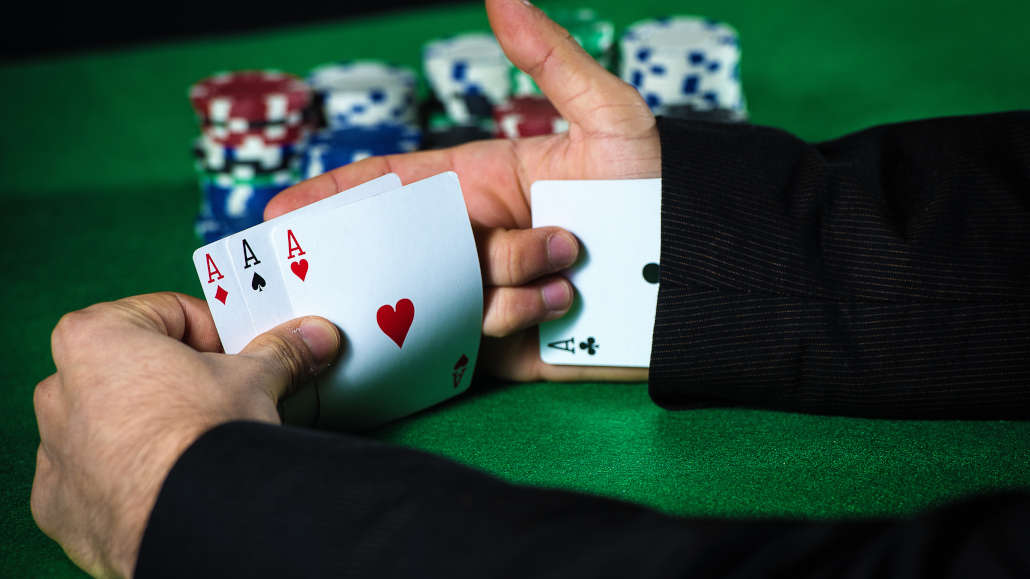
Famous poker cheats in card games are as old as the game itself. When laypeople discuss the game, they often picture it as a magnet for shady characters who are up to no good.
Various poker movies have also played a massive part in stimulating this image, as there is rarely a poker-themed film that does not involve a card cheat. For a casual viewer, this adds an extra layer of excitement and intrigue to the storyline.
The reality today is quite different. Most experienced players are well-versed in poker math and know all the standard tricks. If someone tries to cheat, the community usually catches them rather quickly. Even if they don't get caught directly in the act, a cheater's unnatural results over a long period usually expose their operation.
Still, examples of clever players pulling fast ones on hosts, competitors, and online platforms exist. We have seen cases of people cheating at live cash games and modern gambling sites. What follows is a list of some of the most famous poker cheats that the industry has encountered in recent times.
Cedric Rossi & Jean-Paul Pasqualini
In 2013, the Global Poker Index suspended Cedric Rossi and Jean-Paul Pasqualini. Officials based this ban on clear video evidence that showed the pair engaging in highly suspicious activity during the 2009 Partouche Poker Tour Main Event.
The video in question showed the two Frenchmen hailing from Corsica, giving each other hand signals en route to winning the top two spots in the tournament.
The video showed the two Frenchmen giving each other secret hand signals. They used these physical cues en route to winning the top two spots in the tournament.
In poker circles, players call this collusion. The community heavily frowns upon it, and it strictly violates all Texas Hold’em rules. Exchanging information with another player about your hole cards provides a tremendous, unfair edge over the competition. As these famous poker cheats demonstrated, engaging in collusion will quickly get you disqualified and blacklisted.
Christian Lusardi and the Counterfeit Chips
Christian Lusardi is the mastermind behind the 2014 Borgata Winter Open tainted chips scandal. Authorities arrested him in January of that year. Borgata officials soon learned he was the culprit who released $800,000 in fake poker chips onto their tournament tables.

The Winter Open featured a massive prize pool of $2 million. Organizers instantly canceled the entire event following the discovery of the counterfeit chips.
When Lusardi realized investigators were closing in, he panicked. He attempted to flush $2.7 million in fake chips down his hotel room toilet. Naturally, the heavy chips got stuck in the casino’s plumbing pipes and never made it through. Lusardi never faced a conviction for this particular casino crime. However, a judge gave him a five-year sentence for a different offense connected to pirated DVDs and copyright infringement.
Russ Hamilton: The “God Mode” Mastermind
Russ Hamilton is a former WSOP champion. who defeated Hugh Vincent in heads-up play in 1994 to win $1 million and his body weight in silver.
In 2008, the Kahnawake Gaming Commission released a statement. They claimed they had hard evidence that the online poker room Ultimate Bet defrauded players out of $22 million.
The operator used a secret software tool that allowed a user to see the opponents' hole cards in real-time. Hamilton was part of the platform’s management and became the main benefactor of this massive scam. He even admitted to the whole scheme on a leaked private phone recording. He made it clear he stole the money from players with absolutely zero intentions of giving any of it back.
The Ultimate Bet scandal remains one of the biggest in online poker history. It seriously shattered players’ trust worldwide. After all, this was one of the biggest poker rooms at the time. Players rightfully feared that if something like this could happen there, it could happen anywhere.
Play Safe on Verified Platforms! While early scandals like Ultimate Bet shook the community, the online poker industry has evolved massively since then. Today, modern poker rooms use state-of-the-art security, advanced anti-collusion algorithms, and strict regulatory oversight to ensure 100% fair play. If you want to play with total peace of mind, choose from our curated list of Recommended Online Poker Rooms. We personally vet, test, and approve every single platform on our list to guarantee your bankroll is always in safe hands.
Darren Woods
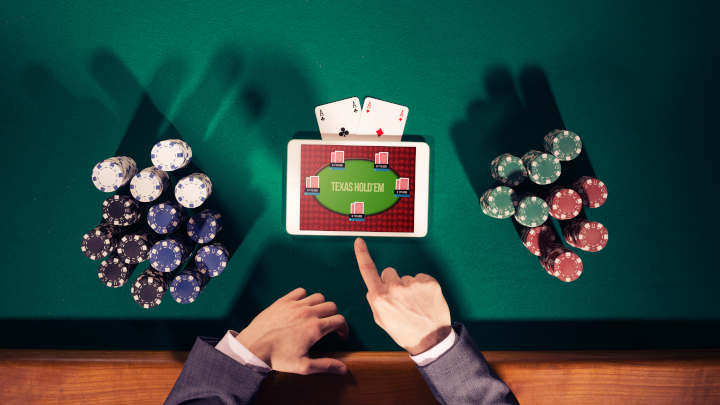
Playing under the screen name “DooshCom”, Darren Woods perpetrated an online poker scheme from 2007 to 2012. He used illegal VPN services to create multiple accounts on high-stakes gambling sites to manipulate games.
Funnily enough, Woods inadvertently blew his whole system by using one of his gaming sessions in a tutorial video he created.
A player who participated in that specific game recognized the screen names in Wood’s tutorial. The community slowly banded together and uncovered his massive scheme. A court eventually charged Woods with thirteen counts of fraud and sentenced him to 15 months in prison. The judge added a strict caveat: if he did not pay £1 million in restitution, the court would add another six years to his sentence.
Billy the Egyptian
In 2018, several angry poker players called the police to the Alea Casino in Glasgow. They furiously accused an individual going by the moniker “Billy the Egyptian” of cheating at the tables.
The players claimed he used a tiny, hidden camera to read an electronically marked deck of cards. The Egyptian, a known local regular, allegedly worked in cahoots with a corrupt croupier to scam the other players at his table. However, despite the heavy accusations, the police did not make any immediate arrests.
Mike Postle: The Most Famous Poker Cheat of the Streaming Era
If the hidden camera story sounds familiar, it strongly resembles the most notorious live poker scandal of the modern era. You simply cannot discuss famous poker cheats without mentioning Mike Postle and the infamous Stones Gambling Hall saga.
Between 2018 and 2019, Mike Postle became a dominant force on the live-streamed cash games at Stones Gambling Hall in California. However, his win rate was mathematically impossible. Postle played an incredibly unorthodox style, making perfect river calls with bottom pair and folding massive hands exactly when his opponents had him beat.
Poker commentator Veronica Brill grew suspicious and eventually blew the whistle on Twitter. Internet sleuths began analyzing hundreds of hours of live stream footage. They quickly noticed that Postle constantly stared down at his lap during critical decisions. The community concluded that an accomplice in the production room was using the stream's RFID card-reading technology to send opponents' hole card information directly to Postle's cell phone.
Dozens of defrauded players filed a massive $10 million civil lawsuit against Postle and the casino. Shockingly, a California judge dismissed the case. The judge cited an archaic state law stating that gambling losses are unpredictable and cannot be recovered in court.
While Mike Postle avoided prison time and financial restitution, the poker world completely blacklisted him. His story remains the most documented and widely scrutinized cheating scandal in the history of broadcast poker.
Frequently Asked Questions About Famous Poker Cheats