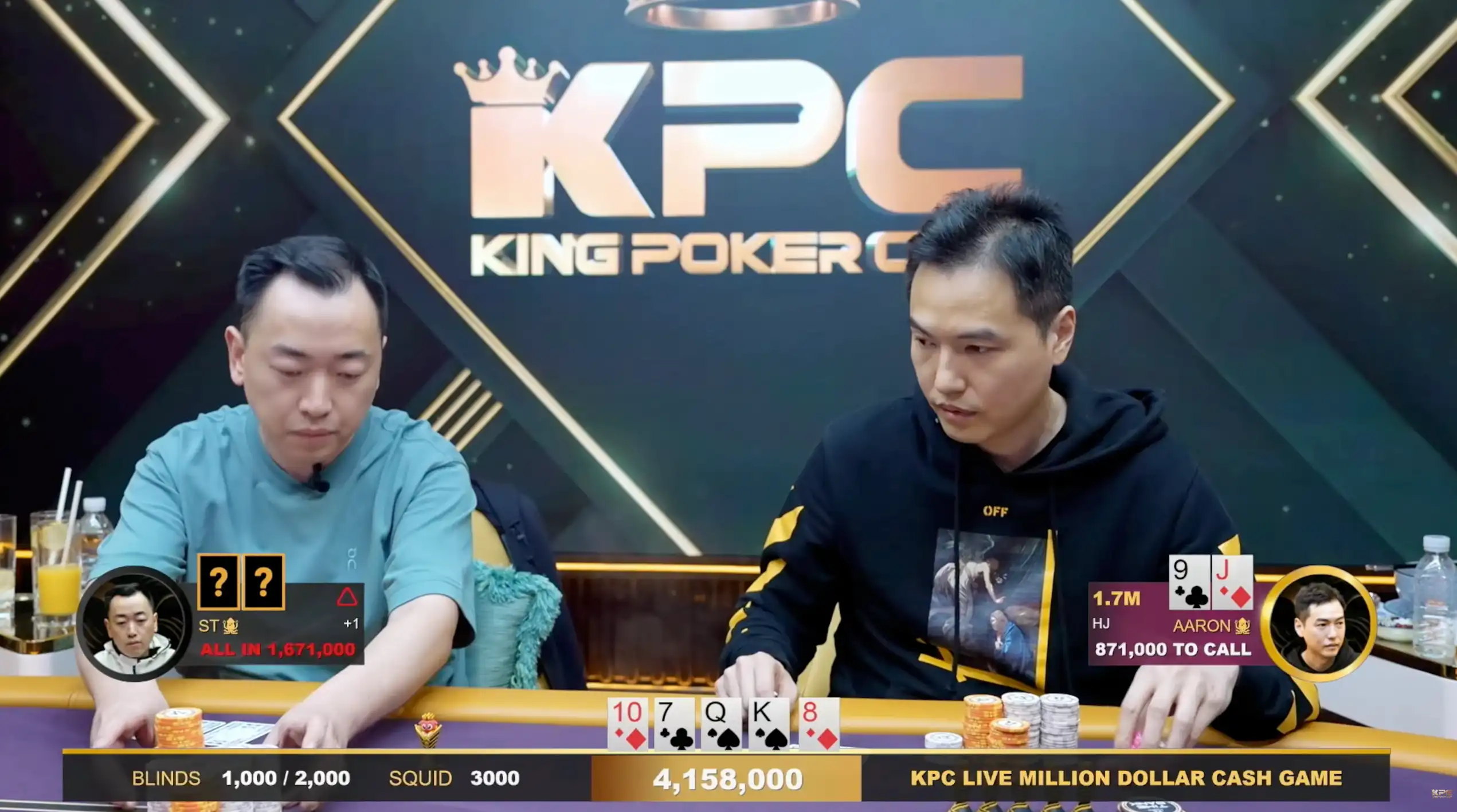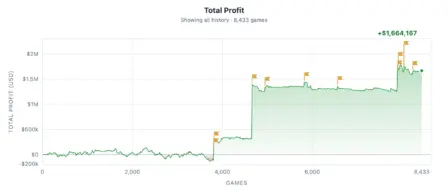


Being a professional poker player is a dream shared by thousands of young people across the world, but one that only a handful of them actually get to turn into reality.
Poker is a game that can definitely be beaten, and many successful poker players over the years have shown that there is money to be made in poker if you can get to a high enough level.
However, there are also countless obstacles preventing people from being poker professionals, ranging from acquiring a starting bankroll to keeping up with the discipline and work etiquette needed to succeed in the game.
If you are dreaming of becoming a professional poker player, I have compiled a short guide to help get you there and give you a general idea of what it takes to turn pro and what it means to be one.
But before I talk about how to become a professional poker player, we should discuss whether or not it makes sense to play poker for a living in 2026 and just how long the games are going to remain profitable.
-
1
 Bonus £40 Freeor £600 bonus
 - Trigger the bonus: You need to deposit at least £10 and generate £10 in rake to trigger the FREE training bonus. | 18+ | BeGambleAware T&Cs Apply
-
2
Bonus $600or $100 tickets
-
18+ | BeGambleAware T&Cs Apply | Read full T&Cs
-
3

Is Poker Still Beatable in 2026?
The shortest possible answer I can give to this question is yes, poker is still very much profitable in 2026. In fact, the game of poker will always be profitable, as long as you know where to look.
One of the biggest misconceptions in the world of poker is that the game is no longer profitable because the high-stakes pros are using poker software like solvers and playing close to perfect poker, which means you can’t really beat them.

While this is true for the most part, it does not mean that there is no money left in poker or that you cannot make a solid living from the game.
First of all, if you are aspiring to be a poker professional, you should not be dreaming of beating the biggest games in the world anytime soon.
Fortunately, you won’t need to do that to make more than most people make from their daily jobs.
Secondly, there are many poker games that play even higher than the “GTO regs” could ever dream of playing, In these games, the level of play is significantly lower. It’s all about finding the right games to play in.
The truth is that higher-level games online have somewhat dried out, with countless players taking on the GTO approach to the game, and the recreational players losing interest in playing in such games.
That's why many high-stakes players are turning to live poker where the action is still very much alive. You can easily see this if you watch any of the streamed cash games from places like Las Vegas or Los Angeles.
You can find great poker games everywhere in the world. So, making money in the game will be all about game selection once you are good enough to actually make it.
So now, let us talk about how to become a professional poker player in 2026 and what tools you should use to kick-start your career.
Step 1 – Learning the Basics
If you are just a novice player or someone who has been playing the game for fun for years, I highly recommend going back to the basics.
Poker is an extremely complex game, but without understanding the basic principles it is built on and having strong foundations, you will not get very far.
Fortunately, some amazing coaching materials and training sites saturate the market these days. Many of which are free or very cheap.

To get you started, I recommend getting your hands on a beginner’s course and taking it very seriously. Try to learn all the concepts in such a course and really take them to heart.
Learning these fundamentals will serve you for the rest of your life. Thus, it is critical that you really get them down well and not have major flaws in them.
Once you understand how odds, outs, equity, bet sizing, and other basic concepts work, you will be able to take your first steps towards becoming a professional poker player.
Step 2 – Play Some Poker
Once you have the fundamentals down, it will be time to start playing some poker. I highly recommend taking your first steps online in micro-stakes tournaments and cash games.
To get started, you should not pick games too carefully. Just make sure you are playing low enough that you can afford the losses. Try many different types of poker games.
I recommend playing tournaments, SNGs, cash games, and more. This is the only way to really get a feel for different formats and pick the one you will try to master.
There are massive differences between different poker formats, and you will need to learn very different skill sets to win in each.
For the time being, you can experiment with each and see what you like the most.
Once you get some experience in online poker, you should also try live games. Play a few tournaments to get the experience of playing against live opponents.
I recommend spending some months playing poker both online and live in your spare time. Don't quit your day job just yet, even if you are having some success with poker.
One of the most important concepts to understand in this game is variance and the way poker comes with its upswings and downswings.
Once you have tried all the different game formats and put in a few hundred hours in the game, it is time to start getting more serious and pick your game.
Step 3 – Pick Your Specialty
You have tried the different game types on offer, and now it is time to pick one of them and start learning more about it.
Since your bankroll is probably still limited and you are playing at lower stakes, playing online MTTs is probably a good idea.
You will actually need quite a few buyins to survive variance in online MTTs, but the edge you will have over the field of players you will be up against will be significant once you get the hang of things.
Getting an intermediate tournament poker course is an idea definitely worth considering, as the sheer fundamentals will not be enough to become a professional poker player.

With such a course, you will learn more about advanced tournament poker concepts such as ICM, push/fold ranges, and more.
If, however, you feel like cash games are more up your alley, you can focus on them alone. There is nothing wrong with trying to build up your bankroll this way.
In cash games, you will benefit more from the rakeback and promotions. Keep in mind that beating the rake in low-stakes cash games can be an uphill struggle.
Once you have picked your specialty, I highly recommend spending a lot of time studying the game and implementing the new concepts you learn into the games as you go along.
Step 4 – Grinding Out a Bankroll
Just because you have started getting better at poker and won a few buy-ins, does not mean you should quit your job. Do not rush to play poker for a living.
In fact, there are still many things you will need to do before you can call yourself a pro.
One of the biggest challenges is surviving downswings without tilting. You must continue to play a good game through the good and the bad stretches.
In order to be a professional poker player, you will need a big bankroll. To get there, you will need to climb the poker stakes and keep your bankroll growing. Somewhere along the road, you will likely run into a major downswing.
When this happens, you may need to drop back down in stakes. You must keep playing your best game, so do not make the downswing even worse.
The process of building up a sustainable poker bankroll can take many months and will not be without its hurdles.
If you can make it through this, you will be ready to be a poker pro.
Mastering the Mental Game
Poker fundamentals and the advanced concepts you will learn from the more elaborate poker courses are all important; your mental game is what may come into play the most.
Learning how to handle downswings, play every hand without emotion, and maintain reasonable bankroll management are all skills that can take years to master.
Without these skills, there is no point trying to turn pro. You simply won't make it in the game before you are mentally ready for all the things that poker brings with it.
Once your mental state is good and your bankroll is ready, you may be able to start playing games. You can win enough money to live from poker and finally become a professional.
Step 5 – Turning Pro
I have talked about how to become a professional poker player and all the steps you will need to take before you are at a point where you can beat the game for enough money to live from.
Of course, the actual level you will need to beat to make a living will depend heavily on where you live. In regions with lower living costs, you can make a comfortable living playing at much lower stakes.
Once you have the appropriate bankroll for these games, as well as the skills to beat them, things change. It may be time to try to become a professional poker player.
This will mean quitting any other job you may have and focusing 100% on your poker career. You will be studying poker for a few hours every day and playing for even more.
Don't expect poker to be an easy way to make a living.
In fact, playing poker professionally is quite a grind. You should only do it if you truly enjoy the game and don't mind spending eight hours or more playing at a time.
Not only that, but you need to remember that once you turn pro, going back can be difficult. You won't have your old job to rely on, and finding a new one can be difficult at times.
You will need to heavily weigh all the pros and cons of playing poker for a living as opposed to your current situation and make up your mind with the long term in mind.
If you come to the conclusion that professional poker is truly a career you want to pursue, then you will need to stick with it for years to come.
Step 6 – Hard Work and Discipline
You are now a professional poker player making a living from the game. However, poker does not happen in a vacuum. As you progress, you will inevitably face personal challenges, everyday stress, or unexpected life events. All these outside factors can easily impact your focus at the tables.
For instance, personal stress or burnout can bleed into your decision-making, leading to emotional tilt and poor play. To protect your livelihood, you must learn to separate your personal life from your sessions. You will need to remain extremely disciplined to ensure outside distractions do not hurt your bankroll.

As a professional poker player, you must remember at all times that your bankroll is the tool of your trade, which means you need to keep it healthy to keep advancing your career.
Working hard on improving your game every day is another essential thing, as you don’t want to get to a point where you are playing like a robot and allowing people to exploit your habits and tendencies.
As a pro player, you must be the one always looking for the edge instead of the one being taken advantage of, so always approach the game as a challenge and not just a daily grind.
Step 7 – Taking Shots and Building Up
After a while, you will be beating the games you play consistently for a hefty profit, and a time will come to test yourself and try to move up to higher levels.
There are a few ways you can do this, and the choice is completely up to you. Some players like to build up a few extra buyins for the next level and take a shot there. Others prefer to build up a proper bankroll for the next level before actually moving up.
I am all for the challenge of playing against good poker players. However, I always recommend trying to find soft games where your opponents are not better than you.
This approach won’t do much for your skills, but it will do miracles for your bankroll. It will allow you to play in bigger games and for more money.
Testing your skills against skilled opposition is something you should definitely do from time to time as well.
However, the very best poker players share an important trait. They know what games to play in and where their profits are coming from.
In the end, you will need to decide just how high you want to go. You must see whether higher stakes are worth pursuing or if your current level is sufficient to give you the life you always wanted.
You now know how to become a poker professional. Think about whether you are willing to go through all these steps and dedicate the next few years of your life to the game.
The final decision is up to you, and if you decide to give professional poker a try, be prepared to embrace the grind!
Frequently Asked Questions (FAQ)