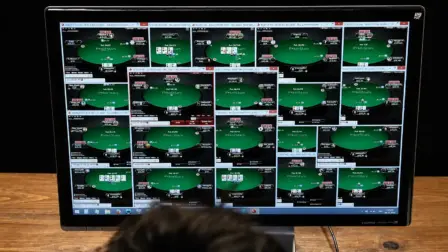

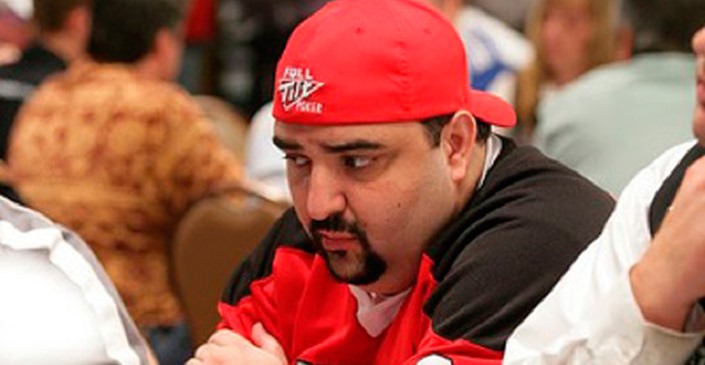
Long before the Full Tilt Poker scandal became the ultimate cautionary tale in the gambling world, Full Tilt Poker was one of the biggest and most popular online poker rooms. Full Tilt and PokerStars were go-to places for players of all profiles, from casuals to high-stakes pros with seven and eight-figure bankrolls.
While PS made its claim to fame primarily through MTTs, Full Tilt Poker became famous for its cash game tables.
The room used to gather the best poker players battling it out in the highest stakes cash games ever recorded in the online arena.
People didn’t go to Full Tilt just to play. Countless fans would fire up the software just to observe these games and watch the likes of Phil Ivey, Tom Dwan, Viktor ‘Isildur1’ Blom, Gus Hansen, and many others battling it out for huge pots. Those who have been around back then surely remember these days, and those new to poker have certainly heard many stories about this great period.
So, what happened to Full Tilt Poker? How did it go from arguably the most popular online poker room in the world to being completely shut down? It’s a long and somewhat complicated story, but the Full Tilt Poker scandal remains one of the most significant events in modern poker history.
Full Tilt Poker Rise to Stardom
During the early 2000s, the online poker world wasn’t nearly as crowded. There were only a few rooms worth mentioning and plenty of space for a new operator with a vision to come in and claim the throne. When Chris “Jesus” Ferguson, a WSOP Main Event winner, and Ray Bitar decided to launch Full Tilt Poker, they had an idea that would turn out to be hugely successful.
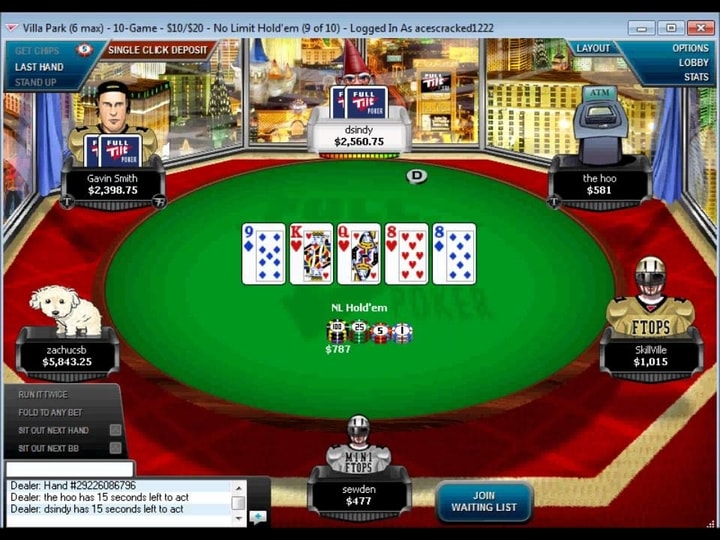
The Full Tilt poker room was meant to be a platform where casual players and poker fans would have a chance to sit down and play with some of the game's legends. The room kicked things off by signing up a big roster of famous pros and spending a lot of money advertising on popular poker shows like High Stakes Poker.
The plan worked like a charm.
In 2005, about a year after the launch, Full Tilt Poker was already one of the leading brands in the industry, second only to PokerStars. Ordinary players loved the idea of being able to play poker hands with their favorite pros and observe them in their natural habitat – playing the nosebleeds.
In fact, during the room's prime, it wasn't uncommon to see legendary pros like Chris Ferguson sitting at the play money tables. For recreational and hobbyist players, this was an absolute dream come true, a free chance to cross swords, chat, and play pots against the biggest names they saw on TV.
At the time, it seemed like there was no stopping Full Tilt Poker. Although PokerStars was still ahead in terms of player numbers, Full Tilt was quickly closing the gap. In addition to the impressive roster of pros, the room also offered a very unique software that was well ahead of its time.
Trouble in Paradise: 2006 Passage of the UIGEA
As it would turn out, the biggest reason for the fall of Full Tilt was the fact that they largely focused on the US market. This was, by far, the biggest and most lucrative market out there, but also the one that was slowly becoming quite shaky.
In 2006, the US passed the infamous UIGEA (the Unlawful Internet Gambling Act), making it illegal for financial institutions to process any payments associated with online gambling and poker sites.
When the UIGEA was passed, some, like Party Poker, decided to comply and left the market, waiting for better times to come back.
For Full Tilt, however, the USA market was far too lucrative and too important to just up and leave. So, instead, they decided to take their chances and continued to serve players from the State.
The UIGEA didn’t explicitly prohibit online poker, and it was directed only at financial institutions like banks, so the room thought they could get away with it. And, for quite a while, they have.
Over the next five years, Full Tilt would grow to become a huge brand recognized worldwide. Together with PokerStars, they pretty much reigned supreme in the United States online poker scene. On the surface, everything seemed fine. Games were running around the clock, the action was hot, and players were getting paid. However, as time went by, it was becoming increasingly obvious that something was not right behind the scenes.
The Full Tilt Poker Scandal – The First Signs
It was in 2009 that early signals indicating the company was experiencing some difficulties had started to appear.
Players’ complaints started pouring in about the illegal removal of the funds from their accounts.
It was during this period that the room let go of many sponsored pros. The brand name, which enjoyed an impeccable reputation up to that point, was losing its credibility. At one point, a player won $1,000,000 on the site and was denied the payment. Full Tilt Poker offered no real explanation for their decision, creating further doubts and concerns in players’ minds.
Actions like this were not something anyone would expect from the Full Tilt Poker room during its glory days.
Full Tilt Poker Scandal Unleashes as DoJ Shows Its Hand
It was in 2011 that the Full Tilt Poker scandal broke out in full force. On April 15, 2011, one of the worst days in the history of poker that came to be known as “Black Friday,” the US Department of Justice went after the three largest poker rooms operating in the States: PokerStars, Absolute Poker, and Full Tilt Poker.
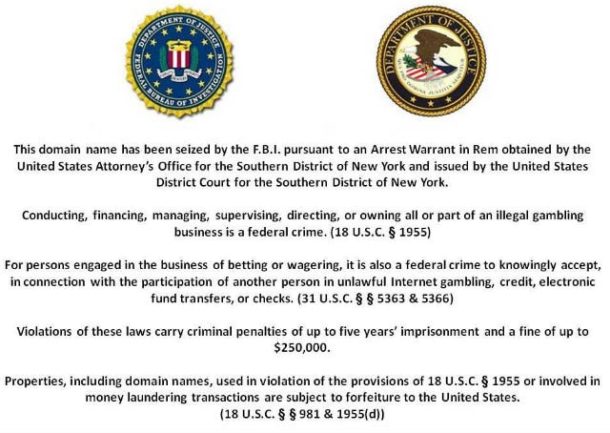
The DoJ seized the rooms’ domains, and players were denied access to the sites.
It was easily the biggest moment in online poker history and the one that Full Tilt would never recover from.
While losing access to Full Tilt was inconvenient, players were much more worried about what would happen with their funds. Many players had a lot of money in their poker accounts, and the future looked very uncertain. In the first days following the domain seizure, Full Tilt Poker continued to reassure players that their funds were safe, and they’d start the refund process shortly.
However, as time went by, and money was nowhere to be seen, it was becoming clear that the room wasn’t going to come through on its promises.
The Ponzi Scheme: Players’ Funds Missing
In the coming months, troubles continued to pile on for Full Tilt. Their Alderney Commission (AGCC) gambling license was suspended in June, shutting down the site’s operations around the world. This was the final nail in the coffin of the once-thriving poker room.
A couple of months later, during the meeting with the AGCC, it was uncovered that Full Tilt didn’t have the money to pay back the players.
The investigation concluded that Full Tilt Poker owners have potentially defrauded players to the tune of $300,000,000.
Not surprisingly, players from all over the world were outraged while the DoJ amended its original complaint, adding three names to the lawsuit: Ray Bitar, Howard Lederer, and Rafe Furst – three main stakeholders in the company.
Where Did the Players' Money Go?
Looking deeper into the Full Tilt Poker scandal, the investigation discovered that the room had many trademarks of a Ponzi scheme. Instead of keeping players’ funds segregated, the room used them for day-to-day expenses, including paying dividends (often to the tune of seven figures) to top-level pros for their representation.
Using players’ funds instead of the room’s operating cash for this purpose meant Full Tilt didn’t have enough money to cover all players’ balances should the mass cashout scenario happen. So, when Black Friday occurred, and they had to face such a scenario, Full Tilt Poker simply didn’t have the funds readily available.
Full Tilt was also experiencing issues processing deposits from the US players, but they kept honoring deposit requests and adding funds to players’ accounts.
They were hoping funds held by payment processors would eventually come through, and all would be fine. Apparently, those hopes never materialized, and then Black Friday hit, and the room was out of time.
To many, this was a very scary reality. With Full Tilt being such a signature name in the industry, many players had their entire bankrolls there. Their future and livelihood were threatened, while those who caused the entire situation deflected blame and passed it onto payment processors or other individuals within the company.
Saving Full Tilt Poker After The Scandal

When it became obvious that money wasn’t there, the DoJ and Full Tilt reached an agreement that allowed the company to seek potential investors who’d buy the room and make things right with the players. Despite all the problems, Full Tilt was still a famous brand, and perhaps there was someone out there willing to take it on.
The first potential investor to come a-knocking was Bernard Tapie Group from France. The negotiations between the BTG and Full Tilt were showing some promise for a while, but the investor wasn’t particularly keen on the idea of reimbursing players in full.
The deal with Bernard Tapie Group didn’t materialize in the end. The investor and the DoJ couldn’t come to terms when it came to paying back the players, and things went back to the starting point once again.
PokerStars Comes to the Rescue
Shortly after the BTG deal fell through, PokerStars came out saying they were interested in purchasing Full Tilt. This was great news for the players because everyone knew that PokerStars had the means to cover such a purchase and wouldn’t get involved if they didn’t have serious intentions.
For PokerStars, this was an excellent opportunity to do away with their biggest competitor up to that point and create a lot of goodwill with the player base.
If they could acquire Full Tilt and make everyone whole, they’d be seen as a company that truly cares for the players.
The purchase was finalized in July of 2012. PokerStars acquired all of the Full Tilt assets and agreed with the DoJ to make all the rest of the world players’ outstanding balances, $184 million, available for withdrawal within 90 days. The additional amount of $150 million for the reimbursement of US players was to be handled separately.
PokerStars fully came through on its promise, and players could withdraw their funds shortly after the deal went through with no issues. For the US players, however, this was only the beginning of a very long road ahead. It was only in 2014 that US players finally started to receive refunds through a slow and rather painful remission process. Eventually, a majority of those who had money locked up by the Full Tilt Poker scandal were reimbursed.
What Happened to Full Tilt Poker?
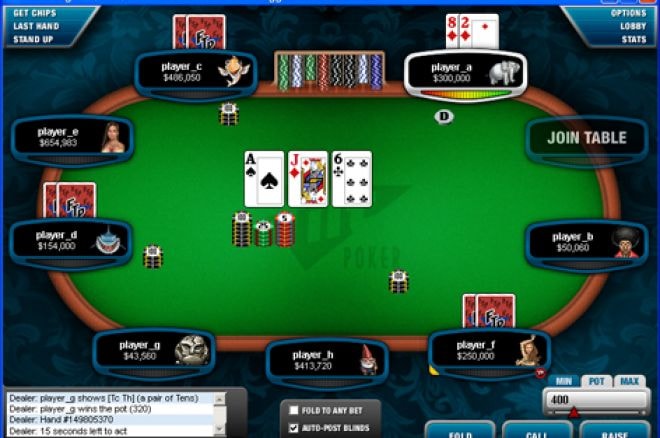
In the end, the Full Tilt Poker story had somewhat of a happy ending, given the circumstances. Players who had funds stuck on Absolute Poker, for example, weren’t so lucky as most of them will never see a single dime. But what happened to Full Tilt poker, a brand that was once so powerful?
Immediately after the purchase, PokerStars was pretty clear that they had no intention of rebuilding the brand to its former glory.
PokerStars relaunched the Full Tilt software in late 2012 and went all-in on marketing. They signed massive stars like Viktor “Isildur1” Blom, Tom Dwan, and Gus Hansen to form a new team called “The Professionals”. Seeing these legends back on the virtual felt, it seemed completely justified to hope that the room would return to its former glory and operations would go back to normal.
However, the momentum couldn't be sustained. The damage to the brand's reputation was too deep, the online poker landscape had changed, and the player pool slowly dwindled. The client eventually became nothing more than a reskinned version of PokerStars.
Ultimately, the legendary room met its definitive end. On February 25, 2021, PokerStars officially and permanently retired the Full Tilt brand. The software was completely decommissioned, and today, attempting to visit the Full Tilt domain simply redirects you to the PokerStars website. The software, the iconic avatars, and the standalone room are gone forever. Full Tilt was such a huge part of poker history, but today, the name and the memories are all that remain.
What Happened to the People Behind Full Tilt Poker Scandal?
Full Tilt Poker ceased to exist as a standalone powerhouse after the scandal developed, but what happened to the people behind it? What became of those who were the most responsible for putting players through all the hardships?
Ray Bitar
Player images from pokernews.com
The CEO of Full Tilt Poker, Ray Bitar, was facing serious charges when the Full Tilt Poker scandal came to light. At first, it looked like Bitar could end up serving a long prison sentence as charges included wire fraud, money laundering, and much more.
However, he was able to strike a deal with the DoJ and not serve a single day in prison. Bitar claimed he had a serious, terminal heart condition, which helped further convince the judge and the prosecutors to give him a break. He agreed to pay $40,000,000, alongside forfeiting numerous estates and equities in several businesses. Despite claiming he only had a few years to live, Bitar underwent a heart transplant, got married in 2016, and seems to live a healthy and comfortable life today.
Howard Lederer
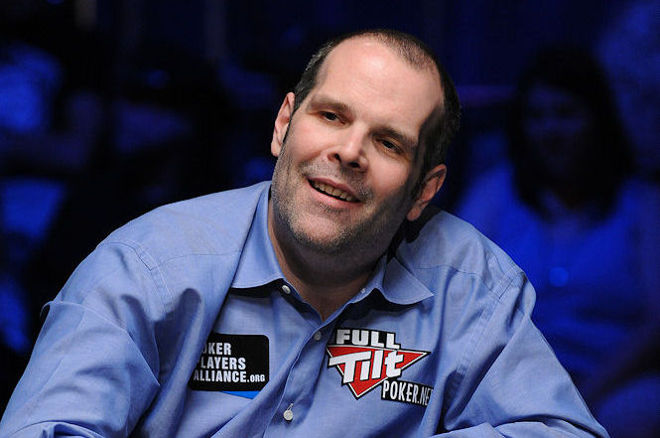
To many, Howard Lederer was one of the main people to blame for what had transpired. “The Professor” was one of the founders and the face of the site. Players had trust in him, and they felt that trust was abused.
Lederer claimed he had no idea of what was happening behind the scenes, and he only accepted the blame for not being more involved and making sure players were protected. As for the legal ramifications, Lederer paid $1.25 million to settle the civil lawsuit with the DoJ and gave up several pieces of property.
He disappeared from the poker world for a while but finally came back during the 2016 World Series of Poker. While the poker community clearly wasn’t ready to completely forgive Lederer, there were no big scandals upon his return.
Chris “Jesus” Ferguson
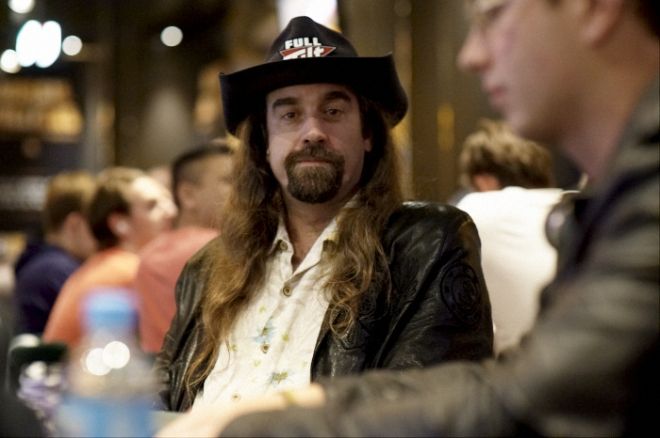
Ferguson was another hugely popular player during the golden days of Full Tilt. In the aftermath of the scandal, he reached an agreement with the Department of Justice, paying $2.35 million and forfeiting an undisclosed amount of money held in an account in his name. His settlement also included the stipulation that he admitted to no wrongdoing.
Ferguson mostly kept silent and disappeared until returning to the 2016 WSOP. He avoided the media, focused on playing poker, and incredibly, managed to seize the coveted WSOP Player of the Year title in 2017. In 2018, “Jesus” finally came out with a short apology video addressing the poker community, but many felt this was too little, too late.
Rest of the Full Tilt Pros
Other Full Tilt sponsored pros mostly denied any knowledge of what was happening behind the scenes. Tom Dwan was one of the more vocal pros, pointing out his disappointment with the lack of transparency but also criticizing the DoJ for bullying the rooms into committing bank fraud to operate. Many others who were once members of the FTP Team Pro, like Phil Ivey and Gus Hansen, continued their professional careers without any serious issues.
Years After Full Tilt Poker Scandal: Did They Get Away With It?
Even today, years after the Full Tilt Poker scandal, many things surrounding it remain a topic of debate. Seeing how no one ended up going to prison, many in the community felt like those responsible got away with it.
While they did have to pay hefty fines, it’s impossible to say if there was money hidden in different accounts that the DoJ never gained access to. Was it all done to steal money, or was it motivated by the desperate desire to keep the room going, hoping things would eventually get better? The truth is, nobody outside the inner circle really knows, leaving the Full Tilt saga as one of poker's greatest cautionary tales.
Frequently Asked Questions